- Industrial LCD display
-
Industrial Products
- DC Servo Drive
- AC Servo Drive
- other
- Heidelberg
- FANUC
- IFM
- Meter
- CCD
- Membrane Keypad
- Film
- YOKOGAWA Module
- Card
- ABB
- MITSUBISHI
- FANUC
- KEYENCE
- BECKHOFF
- Honeywell
- HOLLYSYS
- FUJI servo drives
- HP
- solenoid valve
- thermostat
- Siemens adapter
- color oscilloscope
- Fujitsu connector
- CHELIC
- SMC
- CISCO Module
- INTEL
- Key board
- FAIRCHILD
- Motherboard
- Board
- Bearing
- other
- Control Panel
- Contactor
- Circuit
- OMRON
- Relay
- Controller
- Photoelectric Switch
- Photoelectric Sensor
- Original
- Fan
- Motor Driver
- Limit Switch
- Amplifier
- power supply
- LENZE
- Cable
- Encoder
- Sensor
- Transformer
- Fiber Optic Sensor
- Protection Relay
- Temperature Controller
- Proximity Switch
- Switch Sensor
- Siemens
- Industrial board
- HMI Touch Glass
-
HMI Full Machine Whole unit
- OMRON HMI Touch Panel
- Siemens HMI Touch Panel
- Mitsubishi HMI Touch Panel
- Allen-Bradley automation HMI Touch Panel
- DELTA HMI Touch Panel
- EVIEW DELTA HMI Touch Panel
- KINCO DELTA HMI Touch Panel
- HITECH HMI Touch Panel
- WEINTECK HMI Touch Panel
- TECVIEW HMI Touch Panel
- WEINVIEW HMI Touch Panel
- PRO-FACE HMI Touch Panel
- SIMATIC HMI Touch Panel
- AMPIRE HMI Touch Panel
- HEIDELBERG HMI Touch Panel
- PANASONIC HMI Touch Panel
- PATLITE HMI Touch Panel
- KYOCERA HMI Touch Panel
- KEYENCE HMI Touch Panel
- WEINVIEW HMI Touch Panel
- HITECH HMI Touch Panel
- FUJI HMI Touch Panel
- HAKKO HMI Touch Panel
- SCHNEIDER HMI Touch Panel
- SAMKOON touch panel
- other
- Module
- lcd inverter
- Membrane Keypad Switch
- Winni Touch Screens
- Frequency Inverter
- Servo Motor
- PLC


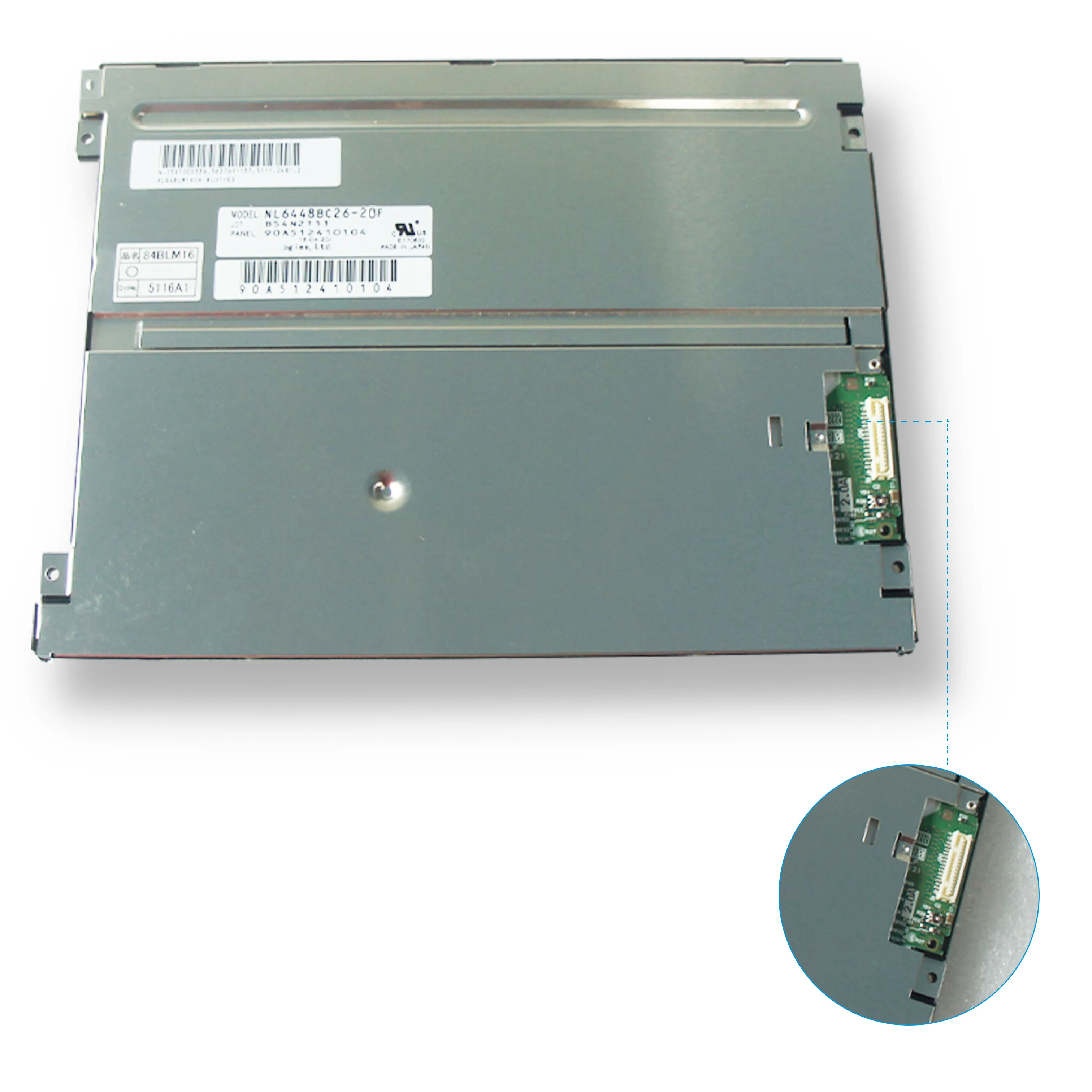


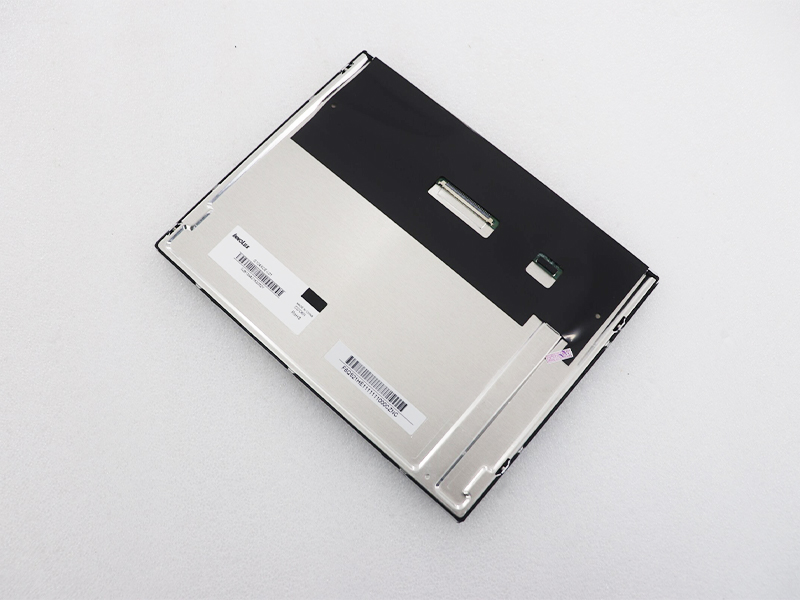
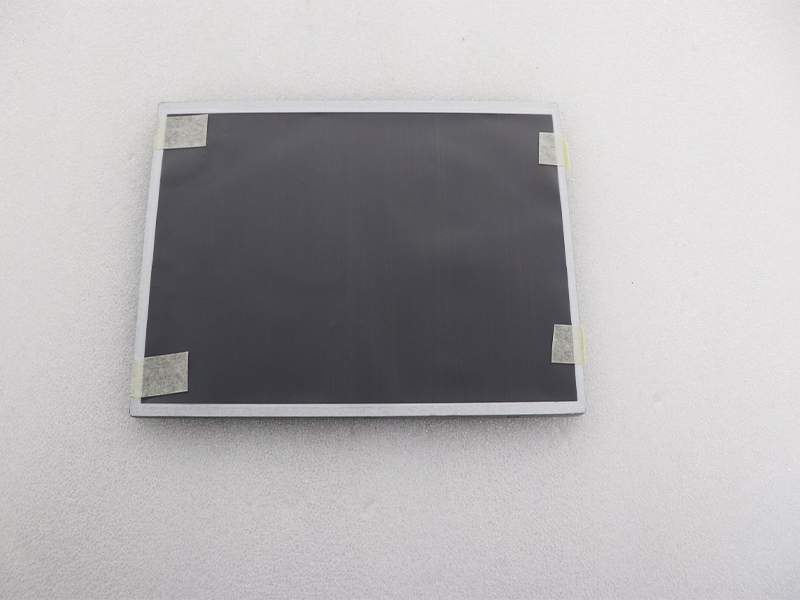
G104XCE-L01 Innolux 1024×768 new 10.4inch LCD Screen Display
In the intricate world of industrial and embedded display solutions, the selection of a single component can define the performance, reliability, and user experience of an entire system. The G104XCE-L01 from Innolux stands as a prime example—a 10.4-inch LCD panel engineered not for the mass consumer market, but for the demanding environments of specialized applications. With its 1024 x 768 (XGA) resolution, this display module represents a critical intersection of mature technology and enduring necessity.
This article delves into a comprehensive analysis of the Innolux G104XCE-L01. We will move beyond basic specifications to explore its underlying technology, the rationale behind its design choices, and its precise positioning within the industrial landscape. By examining its performance characteristics, compatibility considerations, and ideal use cases, we aim to provide engineers, procurement specialists, and system integrators with the depth of understanding required to make an informed decision. This is not just about a screen; it's about a robust interface solution built for longevity and stability.
Decoding the Specification Sheet: Core Technology Unveiled
At first glance, the G104XCE-L01's specifications outline a classic industrial profile. Its 10.4-inch diagonal active area utilizes a-Si TFT LCD technology, a workhorse in the industry known for its cost-effectiveness and reliability. The 1024 x 768 pixel array, adhering to the XGA (Extended Graphics Array) standard, offers a 4:3 aspect ratio. This "square" format, largely phased out in consumer televisions and monitors, remains vitally important in industrial and medical contexts where vertical screen space for data logs, control panels, or diagnostic imagery is crucial.
The module employs an LVDS (Low-Voltage Differential Signaling) interface, a robust and noise-resistant standard for transmitting high-speed video data, essential for maintaining signal integrity in electrically noisy environments. With a typical brightness of 500 nits, it ensures readability under various ambient lighting conditions. Furthermore, its wide operating temperature range (often from -30°C to 80°C for the panel) hints at its design pedigree for challenging operational settings, from factory floors to outdoor kiosks.
The Enduring Relevance of XGA and the 4:3 Aspect Ratio
In an era dominated by widescreen HD and 4K formats, the persistence of XGA resolution and the 4:3 aspect ratio might seem anachronistic. However, this persistence is a deliberate and calculated feature for the target market of the G104XCE-L01. Many legacy industrial systems, control units, and medical devices were designed around this screen format. Upgrading these systems to widescreen often requires costly and complex software re-engineering of the human-machine interface (HMI).
Therefore, the G104XCE-L01 serves as a direct replacement component, enabling equipment modernization or repair without triggering a full system overhaul. The 4:3 ratio is inherently efficient for displaying lists, forms, portrait-oriented documents, and certain diagnostic images without wasteful black bars. It prioritizes information density and functional layout over cinematic immersion, which aligns perfectly with its mission-critical applications.
Performance Analysis: Beyond Basic Pixel Count
Evaluating an industrial display requires looking past resolution to parameters that define usability in the field. The 500-nit high brightness is a key asset, combating glare and ensuring clear visibility even when placed under direct indoor lighting or in semi-outdoor locations. The contrast ratio, viewing angles (typically 80/80/80/80 in Left/Right/Up/Down configurations for TN-type panels), and color gamut are tuned for clarity and legibility rather than vibrant multimedia consumption.
Response time is another critical factor. While not geared for high-refresh-rate gaming, a sufficiently fast response time in an industrial panel ensures that dynamic data updates, scrolling text, or basic graphical animations appear smooth and without ghosting. This is vital for monitoring real-time processes. The G104XCE-L01 is engineered to deliver consistent, stable performance over long duty cycles, a non-negotiable requirement for machines that may operate 24/7.
Compatibility and Integration: The LVDS Interface Ecosystem
The choice of LVDS as the primary interface is a defining characteristic for integration. LVDS is a mature, widely adopted standard in the embedded world. It requires a compatible controller board (often called an LCD controller or driver board) to translate signals from a source (like a single-board computer or an industrial PC) into the precise timing and voltage levels the panel expects.
For system integrators, this means ensuring source compatibility or sourcing the correct controller. The availability of standardized LVDS controller boards for platforms like Raspberry Pi, Jetson, or industrial x86 systems simplifies prototyping and deployment. This ecosystem support reduces development time and risk, making the G104XCE-L01 a pragmatic choice for both new designs and legacy upgrades, as the interface technology is well-understood and supported.
Ideal Application Scenarios and Market Positioning
The G104XCE-L01 finds its home in environments where reliability, longevity, and functional clarity trump aesthetic flair. Its primary application domains are unmistakably industrial. This includes Human-Machine Interface (HMI) panels for factory automation, CNC machines, and process control systems. It is equally suited for point-of-sale (POS) terminals, self-service kiosks, and information displays in retail or public spaces, where its robustness ensures longevity.
Another significant sector is transportation and logistics, such as in-vehicle displays for fleet management or forklift terminals. The panel's potential wide temperature tolerance makes it a candidate here. Furthermore, it serves in specialized medical monitoring equipment (as a display component, subject to final device certification) and various test and measurement instruments. Innolux positions this panel not as a cutting-edge novelty, but as a high-quality, dependable workhorse for B2B and industrial OEMs.
Comparative Context: Navigating the Replacement Market
A critical reality for components like the G104XCE-L01 is its role in the replacement and repair market. Many existing devices originally used panels from manufacturers like AUO, Sharp, or Samsung that may now be end-of-life. The G104XCE-L01 is often designed as a mechanical and electrical drop-in replacement for these older modules. This involves meticulous matching of physical dimensions, mounting hole positions, connector type and location, and interface pinouts.
For procurement teams and service technicians, understanding this cross-compatibility is essential. It allows for the extension of service life for expensive capital equipment. When evaluating the G104XCE-L01, one must compare it not only on its own specs but also against the footprint and interface of the panel it is intended to replace, verifying mechanical drawings and pin assignment tables to ensure a seamless swap.
FAQS
Q10: Where can I find detailed technical documents for this panel?A10: Full datasheets, mechanical drawings, and pinout diagrams are typically available from authorized distributors or by request from Innolux.
Conclusion
The Innolux G104XCE-L01 is far more than a simple collection of glass and electronics; it is a purpose-built solution for a specific and demanding segment of the technology market. Its value proposition lies in its robust performance, deliberate adherence to enduring standards like XGA and LVDS, and its critical role in sustaining the lifecycle of industrial equipment. It exemplifies the principle that in specialized fields, the "latest" is not always the "greatest"; reliability, compatibility, and longevity often hold paramount importance.
For engineers and decision-makers, selecting this display signifies a choice for stability and proven integration over chasing consumer trends. It represents a key component in systems where uptime is revenue, clarity is safety, and replacement is a strategic calculation. In the interconnected ecosystem of industrial design, the G104XCE-L01 stands as a reliable and intelligent interface between complex machines and their human operators.