- Industrial LCD display
-
Industrial Products
- DC Servo Drive
- AC Servo Drive
- other
- Heidelberg
- FANUC
- IFM
- Meter
- CCD
- Membrane Keypad
- Film
- YOKOGAWA Module
- Card
- ABB
- MITSUBISHI
- FANUC
- KEYENCE
- BECKHOFF
- Honeywell
- HOLLYSYS
- FUJI servo drives
- HP
- solenoid valve
- thermostat
- Siemens adapter
- color oscilloscope
- Fujitsu connector
- CHELIC
- SMC
- CISCO Module
- INTEL
- Key board
- FAIRCHILD
- Motherboard
- Board
- Bearing
- other
- Control Panel
- Contactor
- Circuit
- OMRON
- Relay
- Controller
- Photoelectric Switch
- Photoelectric Sensor
- Original
- Fan
- Motor Driver
- Limit Switch
- Amplifier
- power supply
- LENZE
- Cable
- Encoder
- Sensor
- Transformer
- Fiber Optic Sensor
- Protection Relay
- Temperature Controller
- Proximity Switch
- Switch Sensor
- Siemens
- Industrial board
- HMI Touch Glass
-
HMI Full Machine Whole unit
- OMRON HMI Touch Panel
- Siemens HMI Touch Panel
- Mitsubishi HMI Touch Panel
- Allen-Bradley automation HMI Touch Panel
- DELTA HMI Touch Panel
- EVIEW DELTA HMI Touch Panel
- KINCO DELTA HMI Touch Panel
- HITECH HMI Touch Panel
- WEINTECK HMI Touch Panel
- TECVIEW HMI Touch Panel
- WEINVIEW HMI Touch Panel
- PRO-FACE HMI Touch Panel
- SIMATIC HMI Touch Panel
- AMPIRE HMI Touch Panel
- HEIDELBERG HMI Touch Panel
- PANASONIC HMI Touch Panel
- PATLITE HMI Touch Panel
- KYOCERA HMI Touch Panel
- KEYENCE HMI Touch Panel
- WEINVIEW HMI Touch Panel
- HITECH HMI Touch Panel
- FUJI HMI Touch Panel
- HAKKO HMI Touch Panel
- SCHNEIDER HMI Touch Panel
- SAMKOON touch panel
- other
- Module
- lcd inverter
- Membrane Keypad Switch
- Winni Touch Screens
- Frequency Inverter
- Servo Motor
- PLC


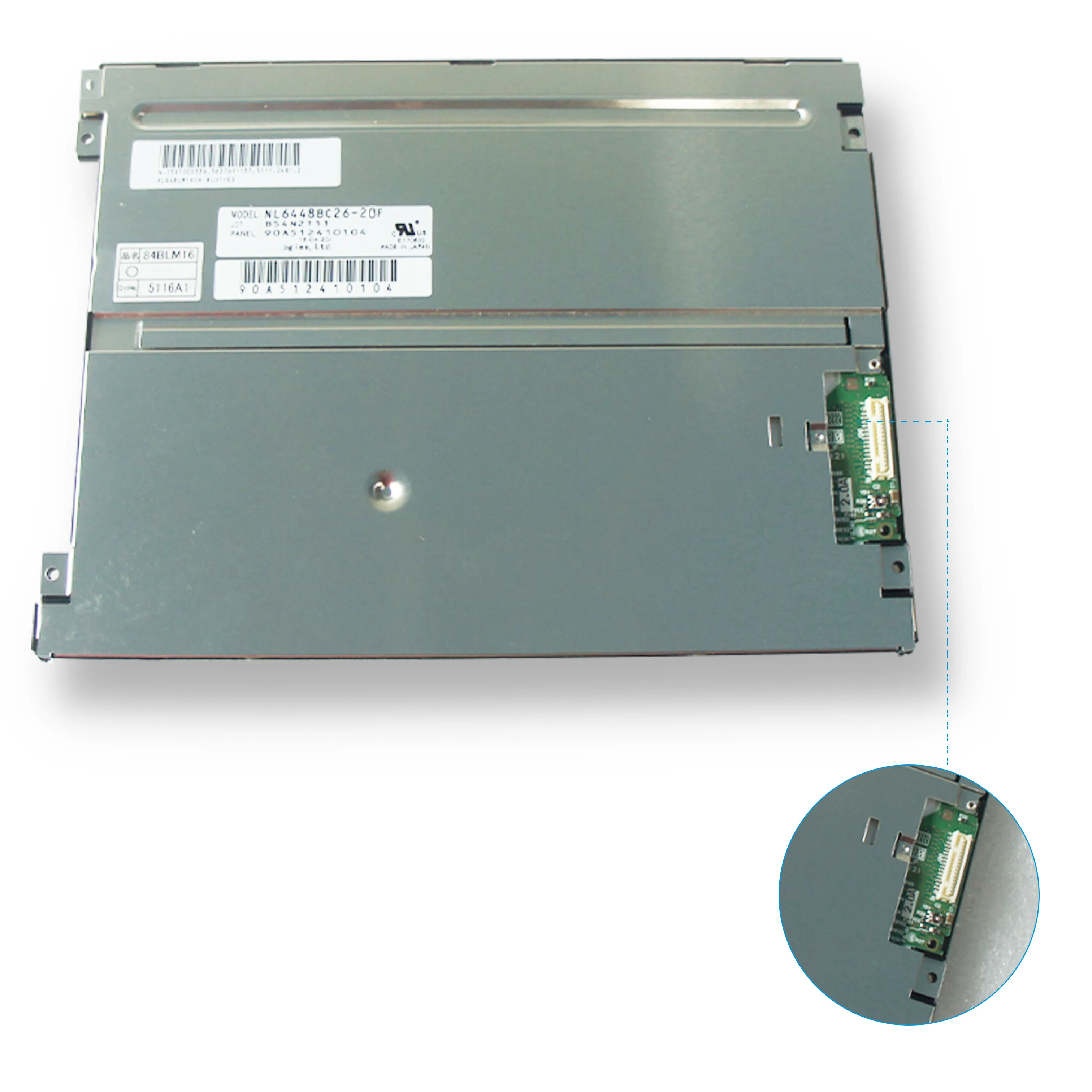

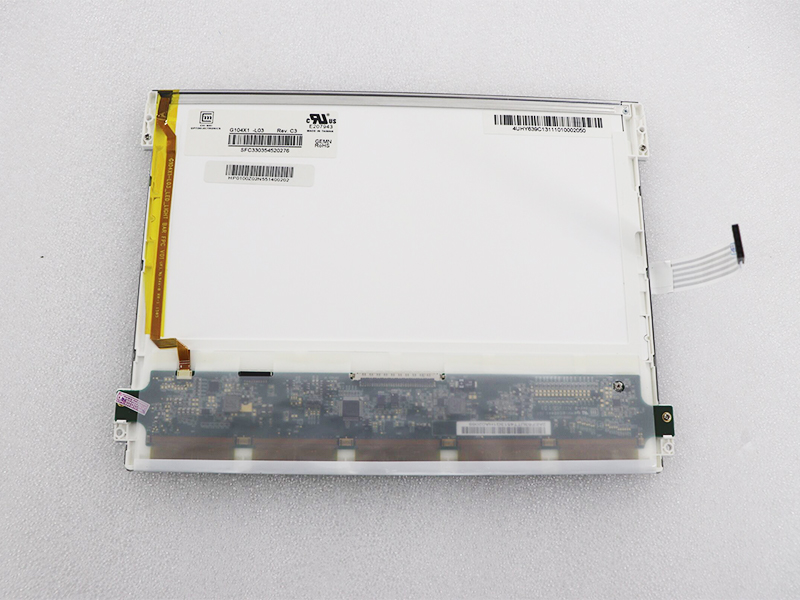
G104X1-L03 10.4inch CMO LCD Panel Resolution 1024*768
In the intricate world of industrial and embedded display technology, the choice of a panel is a critical decision that impacts usability, integration, and long-term performance. Among the myriad of options, the G104X1-L03 10.4-inch CMO LCD panel stands out as a quintessential workhorse, engineered for reliability in demanding environments. This article delves into a comprehensive analysis of this specific display module, moving beyond basic specifications to explore its technological foundations, practical applications, and the nuanced advantages conferred by its seemingly conventional 1024x768 (XGA) resolution.
Our exploration will dissect the panel's core attributes, from its CMO TFT LCD construction to its optimal size and viewing characteristics. We will demystify the enduring relevance of XGA resolution in an era of 4K displays and examine the critical interface and compatibility considerations for seamless system integration. Finally, we will contextualize its use across key industries and provide essential guidance for sourcing and implementing this robust component. This deep dive aims to equip engineers, procurement specialists, and product developers with the insights needed to evaluate the G104X1-L03 not just as a component, but as a strategic solution.
Deconstructing the G104X1-L03: Core Specifications and Build
The G104X1-L03 is a 10.4-inch diagonal TFT LCD module manufactured by CMO (Chi Mei Optoelectronics, now part of Innolux), a leader in display panel technology. At its heart lies an amorphous silicon TFT active matrix, providing the foundation for stable and consistent image control. The panel's native resolution is 1024 horizontal pixels by 768 vertical pixels, conforming to the XGA standard. This 4:3 aspect ratio is a defining characteristic, offering a different spatial utility compared to modern widescreen formats.
Beyond the pixel grid, the module incorporates a CCFL (Cold Cathode Fluorescent Lamp) backlight system, known for its mature technology, uniform illumination, and wide operating temperature range—a crucial factor for industrial settings. The surface typically features an anti-glare treatment to diffuse ambient light and improve readability under various lighting conditions. The mechanical design, including its outline dimensions and mounting hole patterns, is standardized for drop-in compatibility with a vast legacy of equipment and enclosures designed for the ubiquitous 10.4-inch XGA form factor.
The 10.4-Inch Form Factor: Ergonomics and Application Fit
The 10.4-inch screen size is not an arbitrary choice but a result of decades of ergonomic and practical refinement in industrial design. This dimension provides a substantial viewing area for complex data, schematics, or control interfaces without demanding excessive panel real estate, which is often at a premium in machinery, medical devices, or point-of-sale terminals. The 4:3 aspect ratio is particularly efficient for displaying portrait-oriented documents, legacy software interfaces, and vertical data lists, minimizing wasteful blank space on the sides.
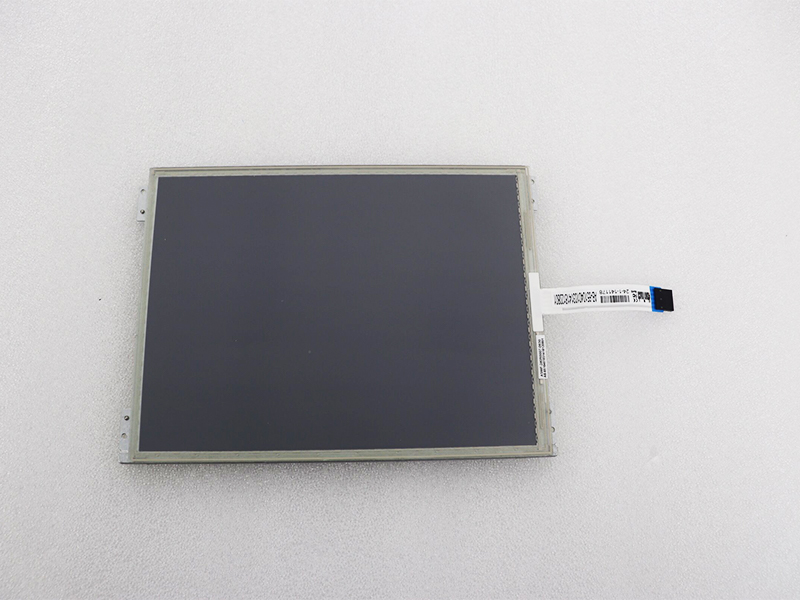
From a human-machine interface (HMI) perspective, this size allows for touch targets (when equipped with a touch overlay) that are sufficiently large for reliable operation, even with gloved hands—a common requirement in manufacturing or outdoor environments. The physical robustness associated with panels of this size and construction also contributes to their longevity. The G104X1-L03, in this specific form factor, thus serves as a direct upgrade or replacement path for countless systems originally built around this industry-standard footprint, ensuring continuity and reducing redesign costs.
XGA Resolution (1024x768) in a High-DPI World: A Strategic Perspective
In the consumer space, the march toward higher pixel densities (DPI) is relentless. However, in specialized industrial and commercial applications, the XGA resolution of the G104X1-L03 holds significant strategic value. Firstly, it represents a "sweet spot" of information density versus system load. It provides enough pixels to render detailed graphics and text clearly, without overburdening the often low-power or legacy central processing units (CPUs) common in embedded systems. This leads to smoother graphical performance and lower power consumption.
Secondly, compatibility and scalability are paramount. Countless software applications, particularly in industrial control, medical imaging, and aviation, were designed for XGA or even lower resolutions. Using a native XGA panel like the G104X1-L03 guarantees pixel-perfect rendering without the blurring or scaling artifacts that can occur when displaying legacy content on a non-native high-resolution screen. The resolution offers a balanced, sharp image at this screen size, where excessive pixel density might not be perceptible or necessary for the viewing distance and task at hand.
Critical Technical Interfaces and Compatibility Considerations
Successful integration of the G104X1-L03 panel hinges on understanding its interface requirements. This module typically utilizes an LVDS (Low-Voltage Differential Signaling) interface, a robust and noise-resistant standard prevalent in industrial displays for transmitting high-speed video data. The specific pin configuration and power requirements must be meticulously matched with the system's controller board.
Compatibility extends beyond the electrical connection. Engineers must verify the mechanical fit, including the exact outline dimensions, bezel clearance, and mounting points. Furthermore, the characteristics of the backlight inverter—the circuit that powers the CCFL lamps—must be compatible with the panel's backlight requirements. For systems transitioning from older panels, the G104X1-L03 often serves as a "drop-in" replacement, but confirming signal timing (via its datasheet) is essential to avoid issues like flickering or no display. Planning for these interface details upfront prevents costly redesigns and ensures plug-and-play functionality.
Primary Industrial and Commercial Applications
The robustness and reliability of the G104X1-L03 make it a preferred choice across a spectrum of demanding fields. In industrial automation, it is the face of PLC-controlled machinery, HMIs for factory floors, and test/measurement equipment, where its readability and durability under constant operation are key. The medical device industry utilizes it in patient monitoring systems, diagnostic equipment, and surgical tools, valuing its stable performance and consistent color representation for critical data.
Additionally, it finds a home in point-of-sale (POS) systems, kiosks, and information displays, where uptime is commercial imperative. Its use extends to transportation and aviation for in-vehicle infotainment or control systems, and in marine electronics where equipment must resist harsh environments. In each case, the panel is selected not for cutting-edge specs, but for its proven track record, long-term availability, and ability to perform without failure in contexts where a screen malfunction can halt production or compromise safety.
Sourcing, Lifespan, and Integration Best Practices
As a mature product, sourcing the G104X1-L03 requires partnering with reputable distributors or specialists in industrial display components. Verifying the authenticity of the panel is crucial, as counterfeit or refurbished modules may not meet the original specifications for brightness, contrast, or temperature range. Planning for the product lifecycle is also essential; while the design is long-lived, understanding lead times and potential end-of-life timelines helps secure inventory for future maintenance and production runs.
Integration best practices start with a thorough review of the official datasheet, paying close attention to absolute maximum ratings for voltage and temperature. Proper handling to avoid electrostatic discharge (ESD) is mandatory. During system design, ensure adequate heat dissipation around the panel and use recommended inverters or LED driver boards if a retrofit to LED backlighting is considered for improved longevity and lower power consumption. A well-planned integration maximizes the panel's inherent reliability, ensuring the end product meets its intended service life.
FAQs: G104X1-L03 10.4-Inch LCD Panel
Q10: How do I ensure compatibility with my existing system?A10: Carefully match the interface (LVDS pinout), voltage requirements, mechanical dimensions, and signal timing against your system's controller and the panel's datasheet.
Conclusion
The G104X1-L03 10.4-inch CMO LCD panel exemplifies how mature, well-engineered technology continues to deliver indispensable value in specialized markets. Its XGA resolution, 4:3 aspect ratio, and robust construction are not shortcomings but deliberate features that address the core needs of reliability, compatibility, and clarity in industrial and embedded contexts. This analysis underscores that selecting a display is a strategic decision, where longevity, system integration, and total cost of ownership often outweigh the allure of the latest high-resolution specs.
For engineers and developers building systems destined for challenging environments, the G104X1-L03 offers a proven, reliable solution. It serves as a critical link between complex digital controls and human operators, ensuring information is presented effectively and consistently over many years of service. In a world of rapid technological turnover, the enduring presence of components like the G104X1-L03 provides a foundation of stability upon which reliable and effective industrial systems are built.