- Industrial LCD display
-
Industrial Products
- DC Servo Drive
- AC Servo Drive
- other
- Heidelberg
- FANUC
- IFM
- Meter
- CCD
- Membrane Keypad
- Film
- YOKOGAWA Module
- Card
- ABB
- MITSUBISHI
- FANUC
- KEYENCE
- BECKHOFF
- Honeywell
- HOLLYSYS
- FUJI servo drives
- HP
- solenoid valve
- thermostat
- Siemens adapter
- color oscilloscope
- Fujitsu connector
- CHELIC
- SMC
- CISCO Module
- INTEL
- Key board
- FAIRCHILD
- Motherboard
- Board
- Bearing
- other
- Control Panel
- Contactor
- Circuit
- OMRON
- Relay
- Controller
- Photoelectric Switch
- Photoelectric Sensor
- Original
- Fan
- Motor Driver
- Limit Switch
- Amplifier
- power supply
- LENZE
- Cable
- Encoder
- Sensor
- Transformer
- Fiber Optic Sensor
- Protection Relay
- Temperature Controller
- Proximity Switch
- Switch Sensor
- Siemens
- Industrial board
- HMI Touch Glass
-
HMI Full Machine Whole unit
- OMRON HMI Touch Panel
- Siemens HMI Touch Panel
- Mitsubishi HMI Touch Panel
- Allen-Bradley automation HMI Touch Panel
- DELTA HMI Touch Panel
- EVIEW DELTA HMI Touch Panel
- KINCO DELTA HMI Touch Panel
- HITECH HMI Touch Panel
- WEINTECK HMI Touch Panel
- TECVIEW HMI Touch Panel
- WEINVIEW HMI Touch Panel
- PRO-FACE HMI Touch Panel
- SIMATIC HMI Touch Panel
- AMPIRE HMI Touch Panel
- HEIDELBERG HMI Touch Panel
- PANASONIC HMI Touch Panel
- PATLITE HMI Touch Panel
- KYOCERA HMI Touch Panel
- KEYENCE HMI Touch Panel
- WEINVIEW HMI Touch Panel
- HITECH HMI Touch Panel
- FUJI HMI Touch Panel
- HAKKO HMI Touch Panel
- SCHNEIDER HMI Touch Panel
- SAMKOON touch panel
- other
- Module
- lcd inverter
- Membrane Keypad Switch
- Winni Touch Screens
- Frequency Inverter
- Servo Motor
- PLC


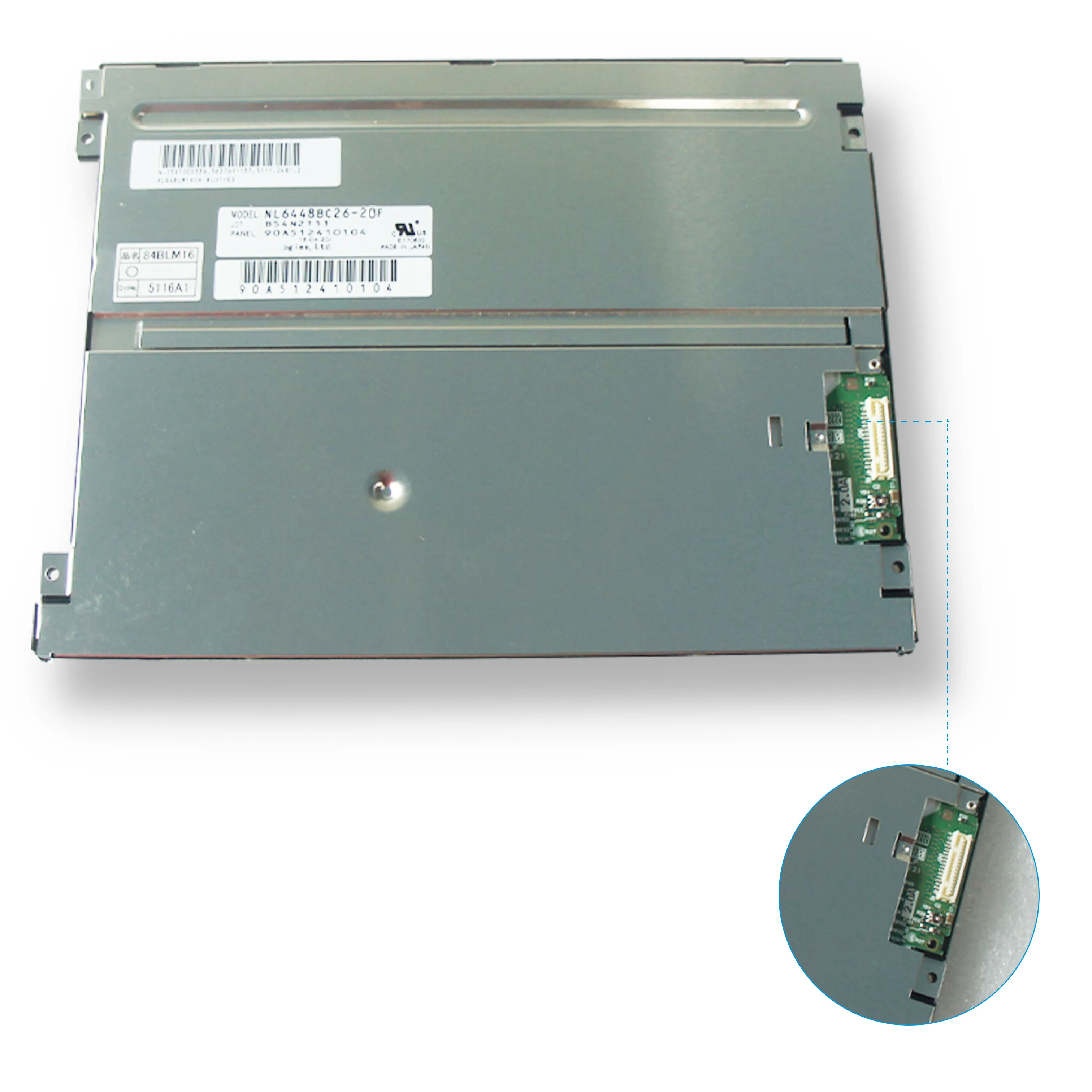


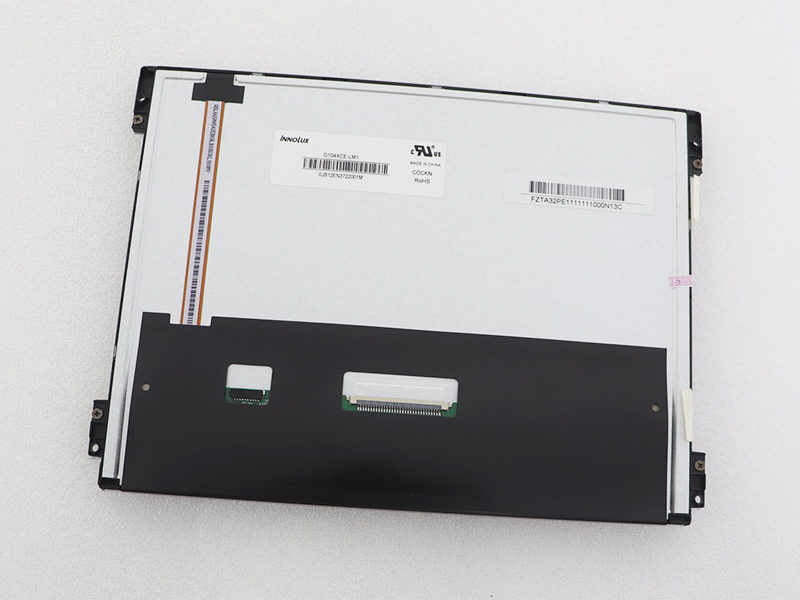
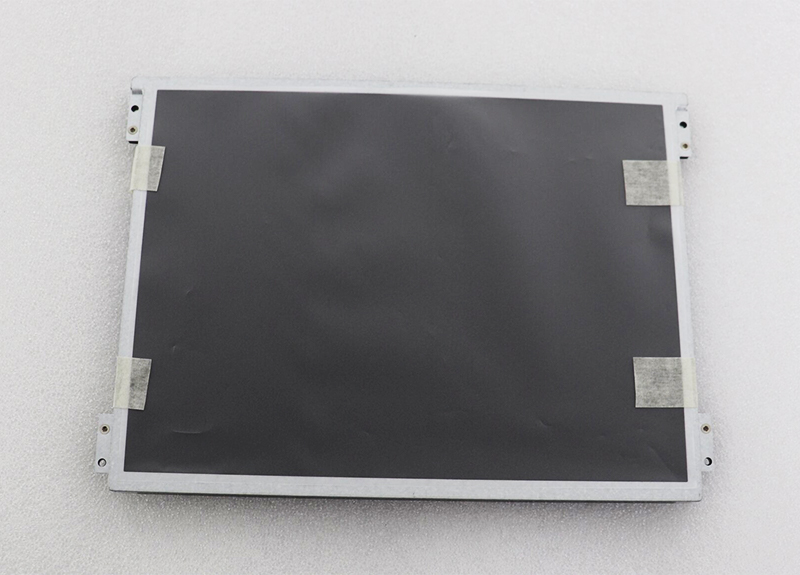
G104XCE-LM1 Innolux 10.4 inch TFT-LCD screen 1024*768 Display
In the intricate world of industrial and embedded display solutions, the choice of a screen is rarely about raw pixel count alone. It becomes a critical engineering decision, balancing durability, readability, compatibility, and long-term availability against the demanding environments of factories, medical devices, and transportation systems. At the heart of many such robust applications lies a specific component: the G104XCE-LM1 from Innolux. This 10.4-inch TFT-LCD module, with its XGA (1024 x 768) resolution, represents more than just a display; it embodies a mature, reliable, and purpose-built technology standard.
This article delves deep into the G104XCE-LM1, moving beyond basic specifications to explore its architectural significance. We will dissect its core technology, the rationale behind its enduring 4:3 aspect ratio, and the specific performance characteristics that make it a staple in challenging settings. Furthermore, we will examine its electrical and mechanical interface, the critical considerations for its integration, and its position within the broader lifecycle of industrial components. Our goal is to provide a comprehensive resource for engineers, procurement specialists, and developers who need to understand not just what this display is, but why it remains a relevant and trusted solution in an era of rapidly evolving consumer display technology.
Deconstructing the G104XCE-LM1: Core Technology and Specification Analysis
The Innolux G104XCE-LM1 is built on a Twisted Nematic (TN) TFT-LCD panel. While newer technologies like IPS offer wider viewing angles, TN technology provides distinct advantages crucial for industrial use: faster response times, high contrast ratios under direct viewing, and typically, lower cost and higher reliability in extended temperature ranges. The module's native resolution of 1024 x 768 pixels (XGA) on a 10.4-inch diagonal results in a pixel pitch of approximately 0.2115mm, offering a clear and sharp image for displaying complex schematics, diagnostic data, or textual user interfaces.
Key specifications define its operational envelope. It features a standard RGB interface and requires a single 3.3V power supply, simplifying power design. The luminance typically ranges from 300 to 400 cd/m², ensuring visibility in well-lit indoor environments. Perhaps most importantly, it boasts an operating temperature range of -20°C to 70°C, a testament to its industrial-grade construction. This resilience is further reinforced by a robust mechanical design, often featuring a metal frame for enhanced structural integrity and electromagnetic shielding.
The Enduring Relevance of the 4:3 Aspect Ratio and XGA Resolution
In a market dominated by widescreen 16:9 and 16:10 formats, the G104XCE-LM1's 4:3 aspect ratio is a deliberate and functional choice, not an anachronism. This squarer format is exceptionally efficient for displaying vertical lists of data, legacy software interfaces, machine control panels, and diagnostic information, which often prioritize vertical screen real estate. It minimizes unused black bars when interacting with applications designed for this classical ratio, which are still prevalent in industrial and medical software ecosystems.
The XGA (1024x768) resolution itself is a mature and stable standard. For system designers, this maturity translates into widespread support from single-board computers, embedded GPUs, and legacy operating systems. It requires less graphical processing power than higher-resolution displays, allowing for the use of more cost-effective or power-efficient processors. This combination of 4:3 XGA forms a de facto standard for human-machine interface (HMI) applications where reliability, compatibility, and functional screen layout trump the desire for cinematic widescreen formats.
Performance in Demanding Environments: Durability and Readability
The true value of the G104XCE-LM1 is proven outside climate-controlled offices. Its wide operating temperature range allows deployment in unheated warehouses, near industrial machinery, or in enclosed transportation systems subject to solar loading. The panel's construction is designed to resist vibration and minor mechanical shock, common in factory floor or vehicular settings.
Readability is multifaceted. The high contrast ratio ensures that characters and graphics stand out clearly. While its TN panel has more limited viewing angles compared to IPS, this can be an asset in applications where screen confidentiality is desired. For optimal direct viewing, the image remains crisp. Furthermore, the surface treatment of the screen is designed to mitigate glare from overhead lighting. In some configurations, it can be paired with resistive touch panels, which are operable with gloves—a non-negotiable feature in many industrial and medical contexts.
Electrical Interface and System Integration Essentials
Integrating the G104XCE-LM1 into a system requires careful attention to its electrical interface. It utilizes a parallel RGB (TTL) interface, commonly using a 40-pin or 50-pin LVDS connector, which is a robust and noise-resistant standard for short-to-medium distance transmission within a device. The timing parameters for the horizontal and vertical sync signals, along with data enable clocks, must be correctly configured in the system's display controller or FPGA to ensure a stable image.
Power sequencing is critical for longevity. The module's datasheet specifies a precise order for applying and removing power to the logic board and backlight inverter to prevent latch-up or damage. The backlight typically uses CCFL (Cold Cathode Fluorescent Lamp) technology, requiring a high-voltage inverter. Designers must account for this inverter circuit, its potential electromagnetic interference (EMI), and the eventual lifespan of the CCFL tubes, which may necessitate future maintenance compared to modern LED-backlit units.
Compatibility, Sourcing, and Lifecycle Considerations
For engineers maintaining or upgrading existing equipment, the G104XCE-LM1 is often a drop-in replacement for other 10.4-inch XGA modules with similar mechanical footprints and pinouts, such as historical models from Sharp or LG. However, verifying mechanical drawings, connector placement, and pin assignments is imperative. This compatibility is a key reason for its sustained demand.
Sourcing this module highlights a crucial aspect of industrial electronics: the management of product lifecycles. As a mature product, it may transition to a "last-time buy" or "end-of-life" status from Innolux. This drives procurement strategies toward authorized distributors with stock or to identifying certified compatible alternatives. Understanding this lifecycle is as important as understanding the technical specs, as it directly impacts the long-term serviceability of the end product.
Application Scenarios: Where the G104XCE-LM1 Excels
The specific characteristics of the G104XCE-LM1 make it the display of choice for several key verticals. In Industrial Automation, it serves as the face of PLCs, CNC machine controls, and test equipment, where its readability and durability are paramount. The Medical Device field utilizes it in diagnostic instruments, patient monitors, and older ultrasound machines, benefiting from its stable performance and 4:3 format for medical imagery.
Furthermore, it finds a home in Point-of-Sale (POS) and kiosk systems, especially ruggedized units for hospitality or outdoor use. Transportation and Aerospace applications in cabin control systems or ground support equipment leverage its temperature tolerance. In each case, the decision hinges on a proven need for reliability, environmental hardening, and seamless integration with established electronic architectures over the allure of the latest consumer display trends.
FAQs: Common Questions on the G104XCE-LM1 Display
Q10: What are the main competitors or alternatives?A10: Alternatives may include other 10.4-inch XGA modules from manufacturers like AUO or modern 10.1-inch WXGA (1280x800) LED-backlit panels, though these may require significant mechanical and electrical redesign.
Conclusion
The Innolux G104XCE-LM1 is far more than a simple collection of glass and electronics. It represents a carefully optimized solution for a specific domain where priorities diverge sharply from the consumer market. Its strength lies in its proven TN technology, robust 4:3 XGA format, industrial-grade durability, and deep ecosystem compatibility. For engineers designing or maintaining systems for factory floors, medical suites, or field deployments, it offers a predictable, reliable, and integrable component.
While newer display technologies with slimmer bezels, LED backlights, and higher resolutions continue to advance, the G104XCE-LM1 serves as a powerful reminder that in industrial design, the "best" technology is the one that most reliably meets the application's environmental, compatibility, and lifecycle requirements over the longest period. Its continued use is a testament to the enduring value of specialized, purpose-built engineering.