- Industrial LCD display
-
Industrial Products
- DC Servo Drive
- AC Servo Drive
- other
- Heidelberg
- FANUC
- IFM
- Meter
- CCD
- Membrane Keypad
- Film
- YOKOGAWA Module
- Card
- ABB
- MITSUBISHI
- FANUC
- KEYENCE
- BECKHOFF
- Honeywell
- HOLLYSYS
- FUJI servo drives
- HP
- solenoid valve
- thermostat
- Siemens adapter
- color oscilloscope
- Fujitsu connector
- CHELIC
- SMC
- CISCO Module
- INTEL
- Key board
- FAIRCHILD
- Motherboard
- Board
- Bearing
- other
- Control Panel
- Contactor
- Circuit
- OMRON
- Relay
- Controller
- Photoelectric Switch
- Photoelectric Sensor
- Original
- Fan
- Motor Driver
- Limit Switch
- Amplifier
- power supply
- LENZE
- Cable
- Encoder
- Sensor
- Transformer
- Fiber Optic Sensor
- Protection Relay
- Temperature Controller
- Proximity Switch
- Switch Sensor
- Siemens
- Industrial board
- HMI Touch Glass
-
HMI Full Machine Whole unit
- OMRON HMI Touch Panel
- Siemens HMI Touch Panel
- Mitsubishi HMI Touch Panel
- Allen-Bradley automation HMI Touch Panel
- DELTA HMI Touch Panel
- EVIEW DELTA HMI Touch Panel
- KINCO DELTA HMI Touch Panel
- HITECH HMI Touch Panel
- WEINTECK HMI Touch Panel
- TECVIEW HMI Touch Panel
- WEINVIEW HMI Touch Panel
- PRO-FACE HMI Touch Panel
- SIMATIC HMI Touch Panel
- AMPIRE HMI Touch Panel
- HEIDELBERG HMI Touch Panel
- PANASONIC HMI Touch Panel
- PATLITE HMI Touch Panel
- KYOCERA HMI Touch Panel
- KEYENCE HMI Touch Panel
- WEINVIEW HMI Touch Panel
- HITECH HMI Touch Panel
- FUJI HMI Touch Panel
- HAKKO HMI Touch Panel
- SCHNEIDER HMI Touch Panel
- SAMKOON touch panel
- other
- Module
- lcd inverter
- Membrane Keypad Switch
- Winni Touch Screens
- Frequency Inverter
- Servo Motor
- PLC


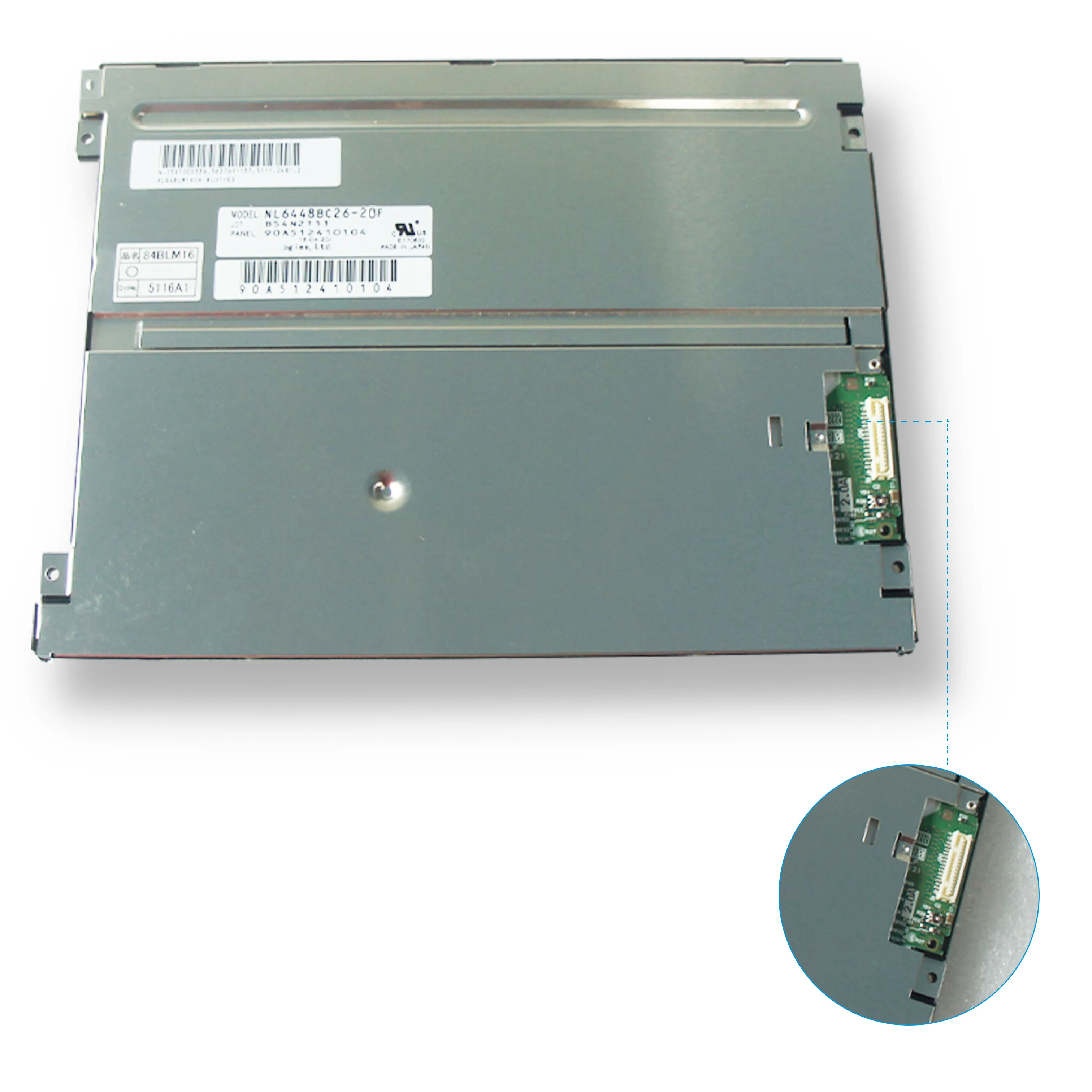


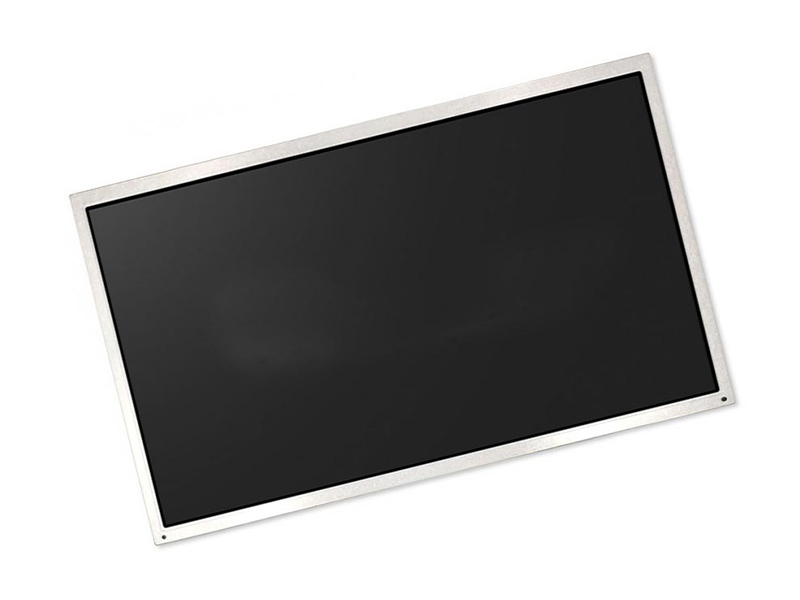
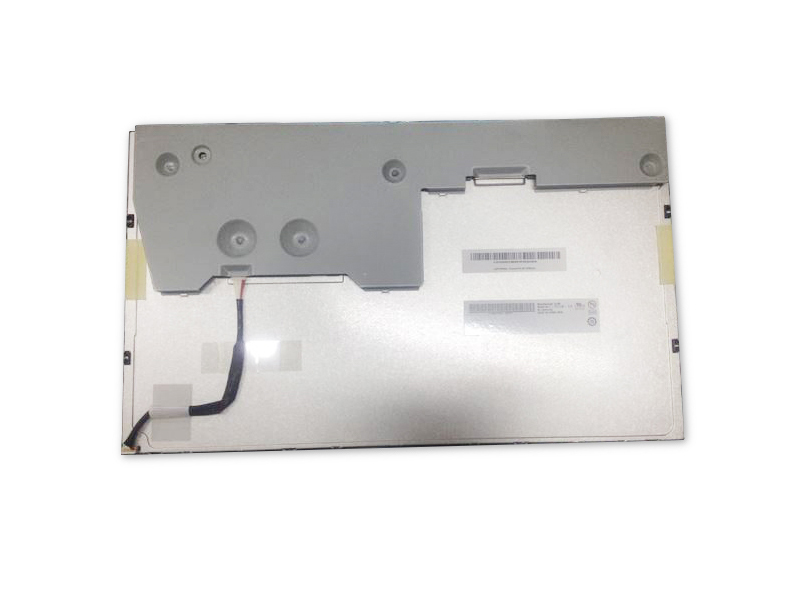
G156XW01 V.2 AUO 15.6inch LCD Panel G156XW01 V2
In the intricate ecosystem of display technology, where every component plays a pivotal role in the final user experience, the panel itself is the undisputed heart. Among the myriad of options for integrators and repair specialists, the G156XW01 V.2 by AUO (AU Optronics) stands out as a critical and widely adopted solution. This 15.6-inch LCD panel represents more than just a part number; it is a carefully engineered balance of performance, reliability, and compatibility that powers a vast range of mid-tier to high-end laptops, monitors, and specialized equipment.
This deep-dive article moves beyond basic specifications to explore the G156XW01 V.2 in its full context. We will dissect its core technological profile, understand its key enhancements over previous versions, and analyze the visual performance that defines the user's interaction. Furthermore, we will map its extensive application landscape, provide crucial guidance for sourcing and compatibility, and finally, project its position within the evolving display market. Whether you are a technical buyer, a system integrator, or simply a tech enthusiast, this comprehensive guide aims to deliver actionable insights and a profound understanding of this essential display component.
Deconstructing the G156XW01 V.2: Core Technical Profile
At its foundation, the AUO G156XW01 V.2 is a 15.6-inch diagonal LCD panel utilizing an IPS (In-Plane Switching) panel technology. This is a crucial starting point, as IPS is renowned for delivering superior color consistency and wider viewing angles compared to older TN (Twisted Nematic) panels. The standard resolution for this model is Full HD (1920 x 1080 pixels), providing a sharp pixel density of approximately 141 PPI, which is considered the sweet spot for clarity and desktop real estate on this screen size.
The panel features a standard 30-pin eDP (Embedded DisplayPort) interface, which is the modern, high-bandwidth connection of choice for laptop internal displays. Its typical brightness reaches 250 nits, suitable for most indoor environments, and it boasts a static contrast ratio in the region of 700:1 to 1000:1. Understanding these baseline specifications is key to appreciating the panel's intended market position: it is engineered not for extreme gaming or professional color grading, but for delivering a robust, reliable, and visually pleasing experience for everyday productivity and multimedia consumption.
Evolution in Focus: Key Enhancements in Version 2
The "V.2" designation is not merely cosmetic; it signifies a deliberate iteration from an earlier version (often just "G156XW01"). While AUO does not always publish exhaustive change logs, industry analysis and integration patterns reveal typical areas of improvement. A primary focus of such revisions is often power efficiency. The V.2 likely incorporates advancements in LED backlighting and driver IC technology to achieve lower power consumption, directly contributing to longer battery life in mobile devices.
Another common area for refinement is in manufacturing yield and reliability. Version updates frequently integrate process optimizations that reduce the potential for defects like backlight bleed or dead pixels, enhancing overall panel longevity. There may also be subtle tweaks to the color calibration or the anti-glare coating on the surface. For integrators and repair technicians, recognizing the "V.2" is essential, as it often denotes a drop-in replacement that is functionally identical but internally improved, though verifying specific compatibility with the device's motherboard and lid assembly remains paramount.
A Visual Performance Analysis: Color, Clarity, and Responsiveness
Moving from specs to real-world perception, the visual performance of the G156XW01 V.2 is defined by its IPS heritage. Users can expect consistent colors and minimal shift even when viewing the screen from sharp side angles, a significant advantage for collaborative work or sharing content. It typically covers a respectable portion of the sRGB color gamut (often around 60-70% NTSC equivalent), making colors appear vibrant and natural for general use, though it falls short of the wide gamut required for professional photo/video editing.
The 1080p resolution ensures text and icons are rendered with sharp definition, reducing eye strain during long document or coding sessions. With a standard refresh rate of 60Hz and a response time (likely in the range of 25ms grey-to-grey), it is adequate for office tasks, web browsing, and video playback. However, it is not tailored for fast-paced, competitive gaming where high refresh rates (120Hz+) and millisecond response times are critical. Its performance profile is one of balanced competence, prioritizing everyday visual fidelity over niche, high-performance metrics.
The Application Landscape: Where This Panel Powers On
The true testament to the G156XW01 V.2's design success is its widespread adoption across diverse hardware. Its most common home is within the laptop replacement market. It serves as the original or compatible screen for numerous business-class and consumer laptops from major brands like Dell, HP, Lenovo, and others, manufactured primarily between 2015 and 2020. This makes it a high-demand item in the repair and refurbishment sector.
Beyond direct laptop replacement, this panel is also a favored choice for system integrators and DIY projects. Its standard eDP interface and common form factor allow it to be paired with controller boards to create custom portable monitors, diagnostic displays, or integrated into kiosks and specialized industrial equipment. The panel's reliability, good viewing angles, and non-proprietary nature make it a versatile "building block" for a multitude of display-centric solutions where a dependable 15.6-inch Full HD IPS screen is required.
Sourcing and Compatibility: A Practical Guide for Buyers
For those needing to procure the G156XW01 V.2, navigating the market requires diligence. It is predominantly available through specialized electronics distributors, panel wholesalers, and online marketplaces catering to the repair industry. Key considerations include ensuring you are purchasing the exact V.2 revision, as mixing versions can sometimes lead to compatibility issues regarding the bracket mounting holes, connector position, or firmware handshake with the device.
Critical compatibility checks extend beyond the model number. One must verify the interface type (eDP), pin count (30-pin), and connector placement (left, right, top, bottom). The physical dimensions and thickness of the panel must also match the original housing. Reputable sellers will often provide detailed photos, compatibility lists, or even request the original device model number to confirm fit. Purchasing from a source that offers a guarantee against dead pixels and provides some warranty is highly recommended to mitigate risk.
Market Context and Future Trajectory
In the fast-paced display industry, the G156XW01 V.2 exists in a mature phase of its lifecycle. It has been largely succeeded in new laptop designs by panels offering thinner bezels, higher brightness, and improved color gamuts. However, its relevance remains strong due to the massive installed base of devices it supports. The demand driven by the repair and refurbishment cycle ensures it will remain a commercially viable product for years to come.
Looking forward, while cutting-edge trends like OLED, mini-LED, and ultra-high refresh rates dominate headlines, the legacy of panels like the G156XW01 V.2 is one of establishing a high-quality baseline. It helped solidify Full HD IPS as the de facto standard for mainstream computing. Its trajectory is not one of obsolescence but of sustained utility in maintaining the world's existing fleet of computing devices, a crucial and often overlooked segment of the technology ecosystem.
Frequently Asked Questions (FAQs)
Q1: Is the G156XW01 V.2 an IPS panel?
A: Yes, it utilizes IPS technology for wide viewing angles and good color consistency.
Q2: What is the resolution of this panel?
A: It has a Full HD (1920 x 1080 pixels) resolution.
Q3: What does the "V.2" signify?
A: It indicates Version 2, typically featuring improvements in power efficiency, reliability, or manufacturing over an earlier version.
Q4: What is the interface type?
A: It uses a 30-pin eDP (Embedded DisplayPort) interface.
Q5: Can I use this panel to replace a broken screen in my laptop?
A: Possibly, but you must verify exact compatibility with your laptop model, including interface, connector position, and physical dimensions.
Q6: Is this panel good for gaming?
A: With a standard 60Hz refresh rate, it is suitable for casual gaming but not for competitive esports where high refresh rates are critical.
Q7: Where can I buy the G156XW01 V.2 panel?
A: From specialized electronics distributors, panel wholesalers, or reputable online marketplaces focused on laptop parts.
Q8: What is the typical brightness?
A: The typical brightness is 250 nits.
Q9: Does it have a matte or glossy surface?
A: It almost certainly features an anti-glare (matte) surface coating, which is standard for business and general-use laptops.
Q10: Is this panel being phased out?
A: While not used in new designs, it remains in production and widely available to support the repair market for older devices.
Conclusion
The AUO G156XW01 V.2 is far more than a simple commodity code. It embodies a specific era of display technology—a time when Full HD IPS became the reliable workhorse for millions of computers. Our exploration has revealed it as a thoughtfully engineered component that prioritizes balanced performance, wide compatibility, and proven reliability over cutting-edge specs.
Its enduring value lies in its critical role within the circular economy of technology. By enabling high-quality repairs and refurbishments, it extends the lifespan of countless devices, reducing electronic waste and providing cost-effective solutions. For technicians, integrators, and informed consumers, understanding the nuances of this panel—from its technical profile and version updates to its sourcing landscape—is key to making effective decisions. In a world constantly chasing the next innovation, the G156XW01 V.2 stands as a testament to the lasting importance of robust, dependable engineering.