- Industrial LCD display
-
Industrial Products
- DC Servo Drive
- AC Servo Drive
- other
- Heidelberg
- FANUC
- IFM
- Meter
- CCD
- Membrane Keypad
- Film
- YOKOGAWA Module
- Card
- ABB
- MITSUBISHI
- FANUC
- KEYENCE
- BECKHOFF
- Honeywell
- HOLLYSYS
- FUJI servo drives
- HP
- solenoid valve
- thermostat
- Siemens adapter
- color oscilloscope
- Fujitsu connector
- CHELIC
- SMC
- CISCO Module
- INTEL
- Key board
- FAIRCHILD
- Motherboard
- Board
- Bearing
- other
- Control Panel
- Contactor
- Circuit
- OMRON
- Relay
- Controller
- Photoelectric Switch
- Photoelectric Sensor
- Original
- Fan
- Motor Driver
- Limit Switch
- Amplifier
- power supply
- LENZE
- Cable
- Encoder
- Sensor
- Transformer
- Fiber Optic Sensor
- Protection Relay
- Temperature Controller
- Proximity Switch
- Switch Sensor
- Siemens
- Industrial board
- HMI Touch Glass
-
HMI Full Machine Whole unit
- OMRON HMI Touch Panel
- Siemens HMI Touch Panel
- Mitsubishi HMI Touch Panel
- Allen-Bradley automation HMI Touch Panel
- DELTA HMI Touch Panel
- EVIEW DELTA HMI Touch Panel
- KINCO DELTA HMI Touch Panel
- HITECH HMI Touch Panel
- WEINTECK HMI Touch Panel
- TECVIEW HMI Touch Panel
- WEINVIEW HMI Touch Panel
- PRO-FACE HMI Touch Panel
- SIMATIC HMI Touch Panel
- AMPIRE HMI Touch Panel
- HEIDELBERG HMI Touch Panel
- PANASONIC HMI Touch Panel
- PATLITE HMI Touch Panel
- KYOCERA HMI Touch Panel
- KEYENCE HMI Touch Panel
- WEINVIEW HMI Touch Panel
- HITECH HMI Touch Panel
- FUJI HMI Touch Panel
- HAKKO HMI Touch Panel
- SCHNEIDER HMI Touch Panel
- SAMKOON touch panel
- other
- Module
- lcd inverter
- Membrane Keypad Switch
- Winni Touch Screens
- Frequency Inverter
- Servo Motor
- PLC


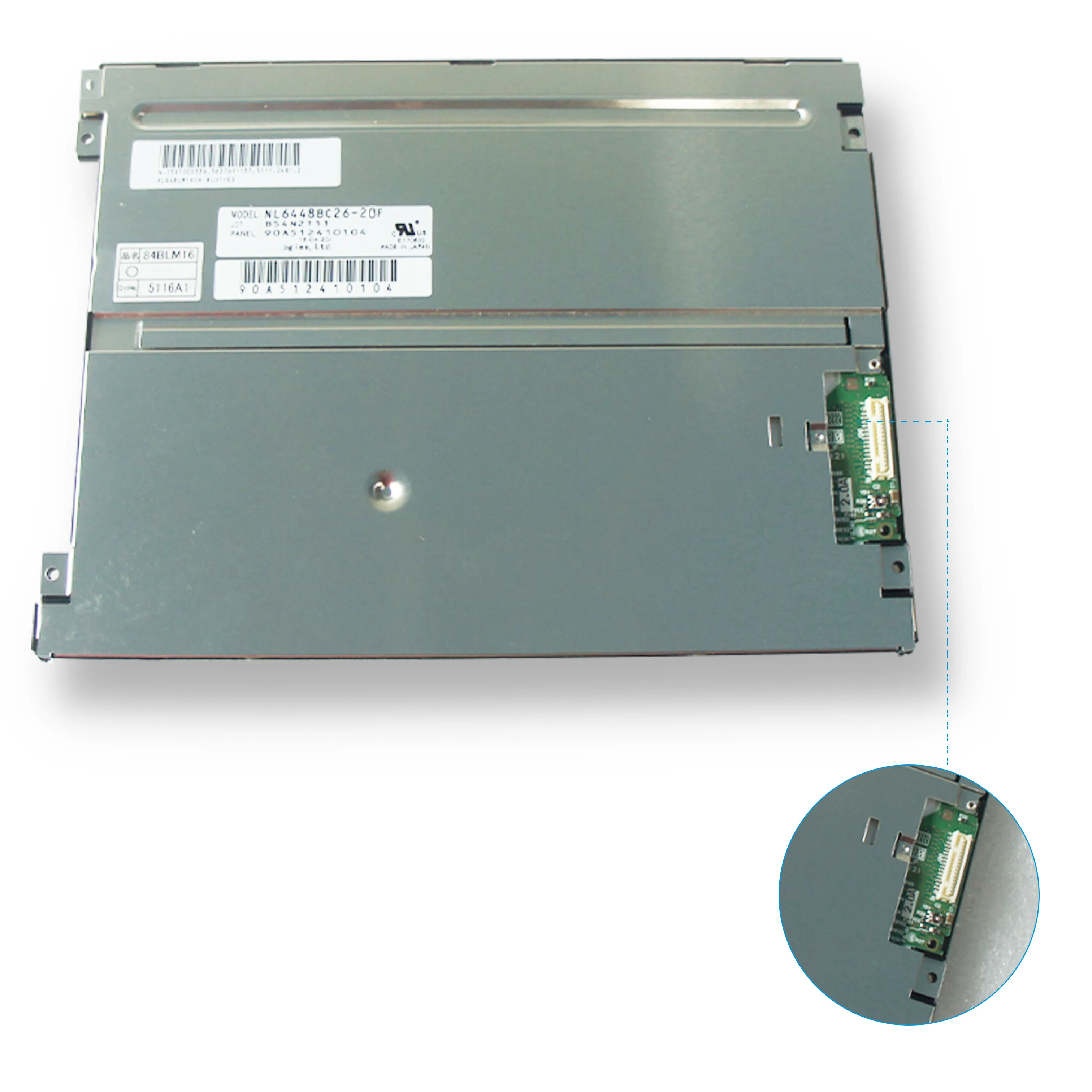


new G121XTN01.0 LCD Screen Display Panel For 12.1 inch AUO
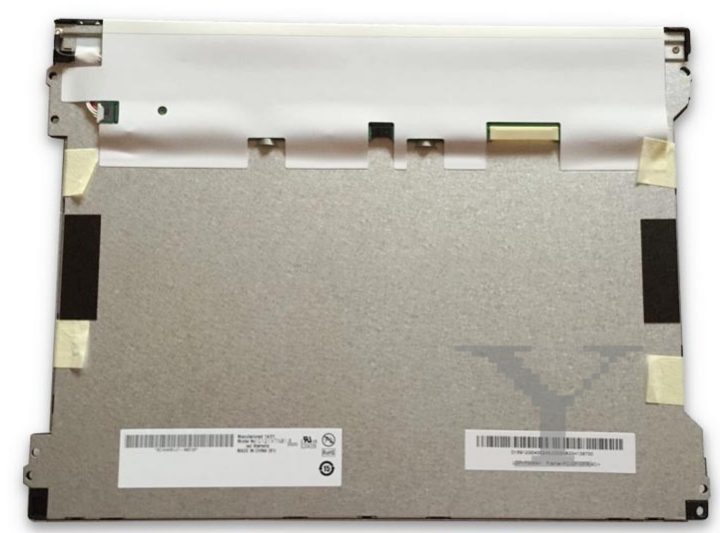
In the intricate ecosystem of display technology, where every component defines the visual experience, the AUO G121XTN01.0 LCD panel stands as a significant engineering solution. Designed specifically for 12.1-inch applications, this display module is far more than a simple glass and backlight assembly; it is a carefully calibrated system that balances performance, reliability, and integration ease. This article delves deep into the technical DNA of the G121XTN01.0, moving beyond basic specification sheets to explore its defining characteristics, optimal use cases, and the critical considerations for integration and sourcing.
Our exploration will unpack the panel's core architecture, from its native resolution and luminance to its color performance and power profile. We will examine its typical applications across industrial, medical, and commercial sectors, analyzing why its specific feature set makes it a preferred choice. Furthermore, we will provide practical insights for engineers and procurement specialists, addressing compatibility, interface protocols, and the nuances of supply chain management for this specific panel model. This comprehensive guide aims to equip readers with the knowledge to evaluate, specify, and successfully implement the AUO G121XTN01.0 in their projects.
Decoding the G121XTN01.0: Core Specifications and Performance Profile
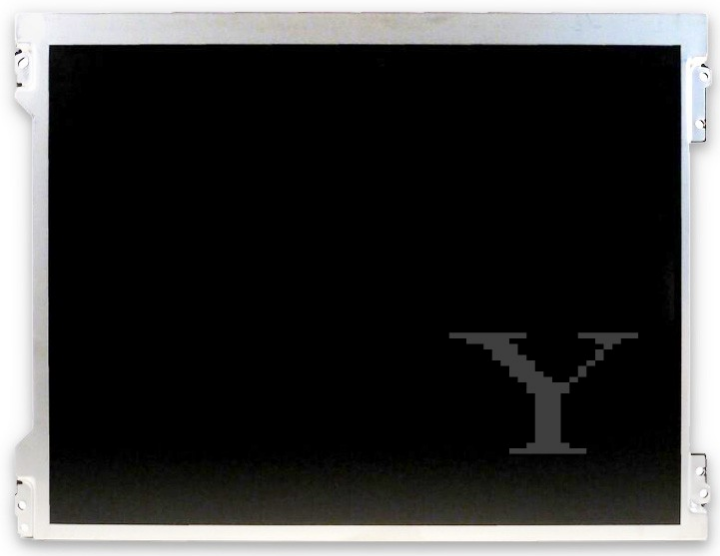
The AUO G121XTN01.0 is a 12.1-inch diagonal TFT-LCD module utilizing Twisted Nematic (TN) technology. Its native resolution of 1024x768 (XGA) offers a 4:3 aspect ratio, a format still highly valued in many vertical markets for its efficient use of screen real estate with toolbars and data interfaces. A typical brightness output of 300 nits ensures adequate visibility in controlled indoor environments, while a contrast ratio in the range of 500:1 delivers clear differentiation between dark and light image areas.
Color performance is a key differentiator. The panel supports a 6-bit + FRC (Frame Rate Control) color depth, enabling it to display 262K colors and simulate a palette nearing 16.7 million. This makes it suitable for applications requiring decent color representation without the premium cost of true 8-bit panels. The module features a standard LVDS (Low-Voltage Differential Signaling) interface, ensuring robust signal integrity and compatibility with a wide array of controller boards. Understanding these foundational specs is crucial for assessing its fit against application requirements.
Targeted Applications: Where This 12.1-Inch Panel Excels
The G121XTN01.0 is engineered for durability and longevity, making it a cornerstone in embedded systems and human-machine interfaces (HMIs). Its 4:3 format is exceptionally well-suited for industrial control panels, where legacy software interfaces and multiple data windows are common. In the medical field, you will find this panel in patient monitoring equipment, diagnostic devices, and portable carts, where reliability and consistent performance are non-negotiable.
Beyond these, it serves critical roles in point-of-sale (POS) systems, kiosks, transportation information displays, and test and measurement instrumentation. The panel's design often includes a robust metal frame and considerations for extended operational life, addressing the need for devices that run continuously for thousands of hours. Its performance profile is a direct response to the demands of these B2B and industrial environments, where uptime and total cost of ownership trump consumer-grade flashiness.
The Integration Blueprint: Interface, Power, and Mechanical Considerations
Successful integration of the G121XTN01.0 hinges on meticulous attention to its interface and power requirements. The panel typically uses a single-channel LVDS interface with a standard 20-pin or 30-pin connector. Matching the pinout definition and the LVDS transmitter voltage swing on the driving controller board is essential to avoid image artifacts or complete failure. The backlight system usually employs 2 or 4 cold-cathode fluorescent lamps (CCFLs), requiring an inverter with the correct voltage, frequency, and safety certifications.
Mechanically, integrators must adhere to the precise outline dimensions, mounting hole locations, and bezel clearance specifications provided in the datasheet. Attention must also be paid to thermal management, as excessive heat can degrade the liquid crystals and the backlight lifespan. Proper electromagnetic shielding and grounding are necessary to ensure the display operates without interference in electrically noisy environments, such as factory floors.
Comparative Analysis: TN Technology in a Modern Context
In an era dominated by IPS (In-Plane Switching) and OLED talk, the TN technology used in the G121XTN01.0 requires contextual understanding. TN panels traditionally offer faster response times (a benefit for reducing motion blur) and lower power consumption compared to IPS at the same brightness level. They are also generally more cost-effective to manufacture.
The trade-offs come in the form of narrower viewing angles and color shift when viewed off-center. However, for many fixed-angle, single-operator applications like industrial terminals or medical devices, these limitations are often inconsequential. The choice, therefore, is not about obsolete versus modern, but about appropriate technology for the use case. The G121XTN01.0 represents a mature, optimized, and economically sensible solution for its target markets.
Sourcing and Supply Chain Dynamics for Replacement and OEM Use
The market for the G121XTN01.0 is bifurcated between original equipment manufacturers (OEMs) sourcing in volume for new products, and the aftermarket for maintenance, repair, and operations (MRO). For OEMs, direct engagement with AUO or authorized distributors is standard. For the aftermarket, a network of specialized display panel distributors and brokers exists.
Critical considerations here include verifying the authenticity of the panel, ensuring it is a true AUO original and not a refurbished or compatible part misrepresented as new. Checking the lot code and manufacturing date is important, as LCD panels can suffer from age-related degradation even in storage. Understanding lead times, minimum order quantities, and the warranty offered is key for project planning, especially for legacy systems where this panel serves as a critical spare part.
Longevity, Maintenance, and End-of-Life Planning
The operational lifespan of the G121XTN01.0 is typically rated for 50,000 hours or more for the backlight. The most common point of failure is the CCFL backlight, which will gradually dim over time. Proactive maintenance strategies include keeping spare panels or inverter modules on hand for critical systems. For long-term product lifecycle management, designers must consider the obsolescence trajectory of this panel.
While still in production and widely available, planning for a future transition is prudent. This involves identifying potential pin-compatible or form-factor-compatible successors, or designing a controller board that can support multiple panel types with firmware adjustments. Such forward-thinking mitigates the risk of production halts or service inability for equipment with lifespans extending 10-15 years.
FAQs: AUO G121XTN01.0 LCD Panel
Conclusion
The AUO G121XTN01.0 LCD panel exemplifies how a well-executed, purpose-driven display solution maintains relevance in specialized markets. Its value proposition is not rooted in being the most advanced consumer screen, but in offering a robust, predictable, and economically viable visual interface for mission-critical equipment. Its specifications—from the XGA 4:3 format to the LVDS interface and CCFL backlight—form a coherent package tailored for industrial, medical, and commercial integration.
For engineers, procurement managers, and technical decision-makers, understanding this panel's full context—its ideal applications, integration nuances, and supply chain landscape—is essential. It represents a mature point in display technology, where performance, cost, and reliability are in careful equilibrium. As the industry evolves, the principles behind selecting a component like the G121XTN01.0—fitness for purpose, total cost of ownership, and long-term supportability—remain enduring guides for successful product design and maintenance.