- Industrial LCD display
-
Industrial Products
- DC Servo Drive
- AC Servo Drive
- other
- Heidelberg
- FANUC
- IFM
- Meter
- CCD
- Membrane Keypad
- Film
- YOKOGAWA Module
- Card
- ABB
- MITSUBISHI
- FANUC
- KEYENCE
- BECKHOFF
- Honeywell
- HOLLYSYS
- FUJI servo drives
- HP
- solenoid valve
- thermostat
- Siemens adapter
- color oscilloscope
- Fujitsu connector
- CHELIC
- SMC
- CISCO Module
- INTEL
- Key board
- FAIRCHILD
- Motherboard
- Board
- Bearing
- other
- Control Panel
- Contactor
- Circuit
- OMRON
- Relay
- Controller
- Photoelectric Switch
- Photoelectric Sensor
- Original
- Fan
- Motor Driver
- Limit Switch
- Amplifier
- power supply
- LENZE
- Cable
- Encoder
- Sensor
- Transformer
- Fiber Optic Sensor
- Protection Relay
- Temperature Controller
- Proximity Switch
- Switch Sensor
- Siemens
- Industrial board
- HMI Touch Glass
-
HMI Full Machine Whole unit
- OMRON HMI Touch Panel
- Siemens HMI Touch Panel
- Mitsubishi HMI Touch Panel
- Allen-Bradley automation HMI Touch Panel
- DELTA HMI Touch Panel
- EVIEW DELTA HMI Touch Panel
- KINCO DELTA HMI Touch Panel
- HITECH HMI Touch Panel
- WEINTECK HMI Touch Panel
- TECVIEW HMI Touch Panel
- WEINVIEW HMI Touch Panel
- PRO-FACE HMI Touch Panel
- SIMATIC HMI Touch Panel
- AMPIRE HMI Touch Panel
- HEIDELBERG HMI Touch Panel
- PANASONIC HMI Touch Panel
- PATLITE HMI Touch Panel
- KYOCERA HMI Touch Panel
- KEYENCE HMI Touch Panel
- WEINVIEW HMI Touch Panel
- HITECH HMI Touch Panel
- FUJI HMI Touch Panel
- HAKKO HMI Touch Panel
- SCHNEIDER HMI Touch Panel
- SAMKOON touch panel
- other
- Module
- lcd inverter
- Membrane Keypad Switch
- Winni Touch Screens
- Frequency Inverter
- Servo Motor
- PLC


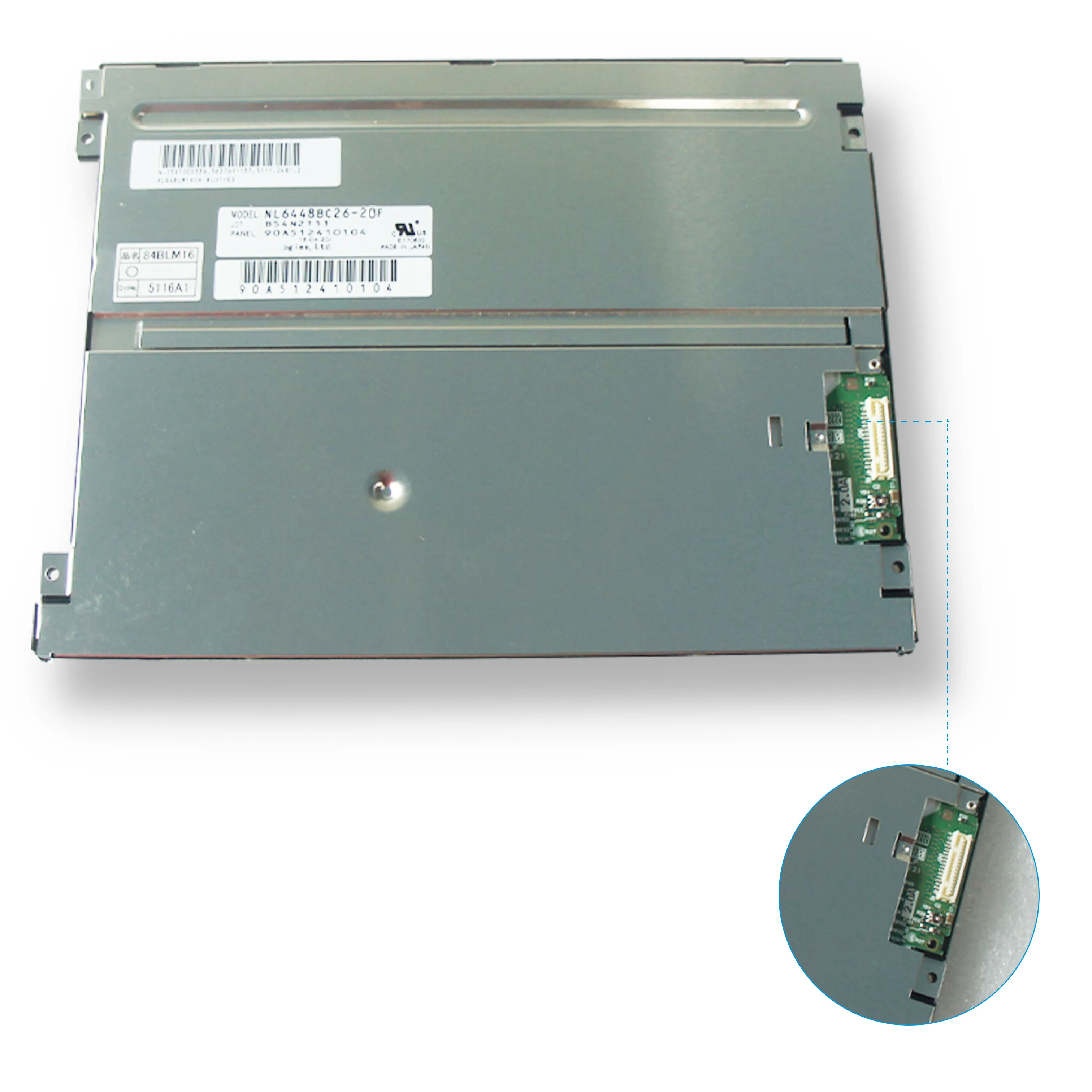


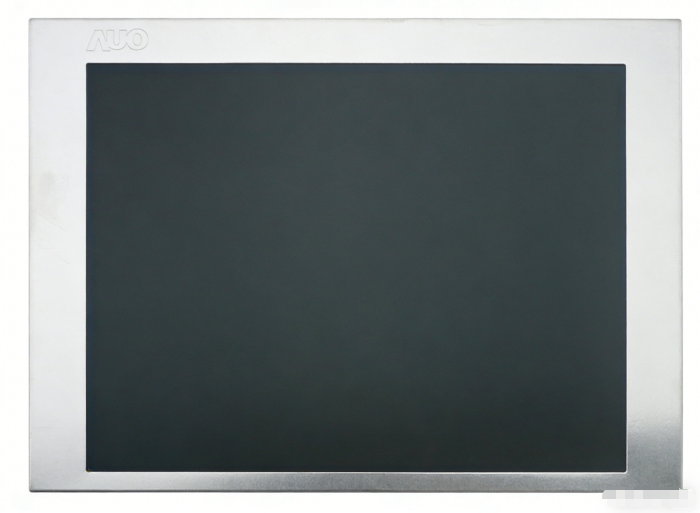
In the intricate world of electronic components, the display panel often serves as the critical interface between machine and user. Among the myriad of specialized screens, the G057QTN01.0 from AUO (AU Optronics) stands out as a purpose-built solution for applications where reliability, compactness, and specific performance parameters are paramount. This 5.7-inch TFT LCD panel, with its 320x240 QVGA resolution, represents a mature yet vital technology in sectors where newer, high-resolution displays may be overkill or unsuitable.
This article delves into a comprehensive technical and application-focused analysis of the G057QTN01.0. We will move beyond basic datasheet specifications to explore its underlying technology, key performance characteristics, and the unique design considerations it imposes. Furthermore, we will examine its primary industrial applications, compare it with potential alternatives, and provide practical guidance for integration. Our goal is to offer engineers, product designers, and procurement specialists a deep, actionable understanding of where and how this specific panel creates value.
Understanding the Core Technology: TFT LCD in a Nutshell
The G057QTN01.0 is built on Thin-Film Transistor (TFT) Liquid Crystal Display technology, the workhorse of the modern display industry. Unlike passive matrix displays, each pixel in a TFT LCD is controlled by one to four dedicated transistors, allowing for faster response times, better contrast, and more stable color representation. This active-matrix design is crucial for the panel's performance.
At its heart, the panel uses a twisted nematic (TN) liquid crystal mode. TN technology is renowned for its fast response times and cost-effectiveness, though it typically offers narrower viewing angles compared to IPS (In-Plane Switching) variants. The 5.7-inch diagonal size with a 4:3 aspect ratio and QVGA (320x240) resolution results in a pixel density of approximately 70 PPI. This spec is not designed for sharp multimedia consumption but for delivering clear, legible information in controlled environments. The panel's operation hinges on a precise matrix of these TFTs controlling the light from a backlight unit (CCFL or LED), making its driver electronics and power supply critical to its function.
Deciphering the Key Specifications and Performance
The panel's datasheet reveals a profile tailored for industrial durability and consistent operation. The 320x240 resolution is a legacy standard that ensures broad software and hardware controller compatibility. Its 500:1 contrast ratio and 250 cd/m² brightness are calibrated for adequate readability under typical indoor lighting, not direct sunlight. The 6 o'clock viewing direction specification indicates the optimal viewing angle; for this panel, the image contrast is best when viewed from below, a common orientation in embedded systems.
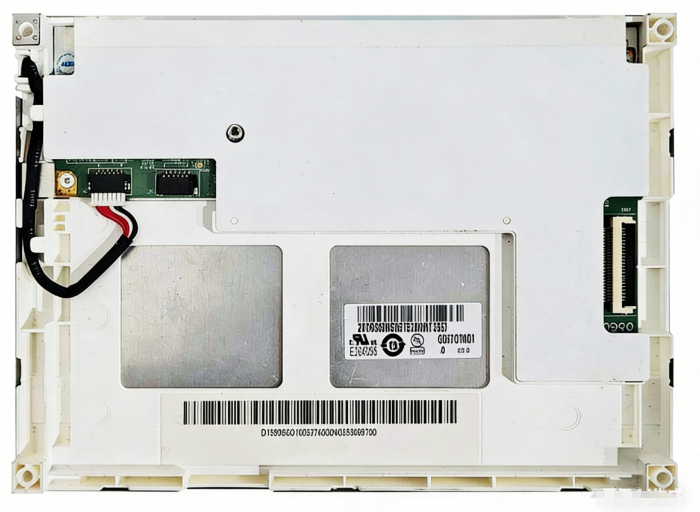
Critical interface details include a parallel RGB interface, often 18 or 24-bit, which is a straightforward, if somewhat pin-heavy, method for microcontrollers or application processors to drive the display. The mechanical outline, with its specific mounting hole positions and bezel size, is designed for drop-in replacement and secure fitting in chassis. Understanding these specs in concert—not in isolation—is key. For instance, the combination of TN technology and the specified viewing angle dictates how the end product must be physically oriented for the user.
Primary Industrial Applications and Use Cases
The G057QTN01.0 finds its home not in consumer gadgets but in robust, long-lifecycle industrial and commercial equipment. Its characteristics make it ideal for:
Industrial Human-Machine Interfaces (HMIs): As the display for PLCs, control panels, and factory automation equipment, where reliability and 24/7 operation are more critical than high resolution.
Test and Measurement Instruments: Oscilloscopes, multimeters, and spectrum analyzers benefit from its precise character legibility and stable performance.
Medical Devices: Approved for use in certain patient monitoring systems or diagnostic equipment where consistent, flicker-free display of numerical data and waveforms is essential.
Point-of-Sale (POS) Terminals and Kiosks: For displaying transaction information, menus, or simple interactive prompts in a cost-effective manner.
In these environments, the panel's longevity, stable supply chain (as a mature product), and resistance to image retention are significant advantages over consumer-grade displays.
Design Considerations and Integration Challenges
Integrating the G057QTN01.0 into a product requires careful planning. The parallel RGB interface demands a sufficient number of GPIOs from the host controller and careful PCB routing to avoid signal integrity issues. Designers must also source or design a compatible LCD controller board that generates the correct timing signals and often handles power sequencing.
Power supply design is non-trivial, as the panel may require multiple voltage rails (e.g., for logic, analog, and the backlight). The backlight, whether CCFL or LED-based, needs an inverter or constant-current driver and considerations for dimming and longevity. Thermally, the panel must be mounted in a way that allows for heat dissipation, especially if used in sealed enclosures. Finally, the electrostatic discharge (ESD) protection for the delicate interface pins is a must during assembly and in the final design.
Comparison with Alternative Display Technologies
When selecting a display, the G057QTN01.0 is often weighed against several alternatives. Compared to a higher-resolution IPS panel of the same size, it loses in viewing angle and color vibrancy but wins on cost, potential response time, and simpler driver requirements. Against a monochrome LCD, it provides color capability but consumes more power.
Modern alternatives like TFT LCDs with LVDS or MIPI interfaces offer higher resolution and lower pin counts but require more complex host processors. The choice ultimately hinges on the application's "need-to-have" versus "nice-to-have." For many industrial systems, the G057QTN01.0's balance of proven reliability, straightforward interface, and cost represents the optimal point on the performance-complexity curve.
Sourcing, Lifespan, and Future-Proofing
As a mature product, sourcing the G057QTN01.0 involves working with authorized distributors or specialized industrial component suppliers. It's crucial to verify authenticity due to the risk of counterfeit components. One of its major selling points is its expected long operational lifespan, often rated for tens of thousands of hours, which aligns with the decade-long lifecycles of industrial machinery.
Future-proofing a product designed around this panel involves several strategies. First, securing a multi-year buffer stock is common. Second, designing the mechanical cavity and electrical interface with potential form-fit-function compatible replacements in mind can ease future transitions. While newer technologies emerge, the vast installed base and specific suitability of this QVGA panel ensure it will remain relevant in its niche for the foreseeable future.
Frequently Asked Questions (FAQs)
Conclusion
The AUO G057QTN01.0 5.7-inch TFT LCD panel exemplifies how a technologically mature component can remain indispensable. Its value proposition is not rooted in cutting-edge pixel density or vibrant color gamuts, but in its proven reliability, straightforward integration, and perfect suitability for a well-defined class of industrial applications. For designers of HMIs, instrumentation, and specialized embedded systems, it offers a dependable, long-life solution that minimizes interface complexity and risk.
In an era obsessed with the latest and highest specifications, this panel serves as a powerful reminder that optimal engineering is about matching the component to the application's core requirements with precision. Understanding its technical nuances, from the TN viewing angle to the parallel interface demands, is the key to unlocking its full potential and designing products that stand the test of time in challenging environments.