- Industrie-LCD-Display
-
Industrial Products
- DC Servo Drive
- AC Servo Drive
- other
- Heidelberg
- FANUC
- IFM
- Meter
- CCD
- Membrane Keypad
- Film
- YOKOGAWA
- Card
- ABB
- MITSUBISHI
- FANUC
- KEYENCE
- BECKHOFF
- Honeywell
- HOLLYSYS
- FUJI servo drives
- HP
- solenoid valve
- thermostat
- Siemens adapter
- color oscilloscope
- Fujitsu connector
- CHELIC
- SMC
- CISCO
- INTEL
- Key board
- FAIRCHILD
- Der Aufsichtsrat
- Board
- Bearing
- other
- Control Panel
- Contactor
- Circuit
- Omron
- Relais.
- Der controller
- Optoelektronische schalter
- Optoelektronische sensoren
- Original
- Fan
- Motortreiber
- Endschalter
- Verstärker
- power supply
- LENZE
- Cable
- Encoder
- Sensor
- Transformator
- Fiber Optic Sensor
- Schutzrelais
- Temperaturregler
- Näherungsschalter
- Switch Sensor
- Siemens
- PCB
- HMI Touch-Glas
-
HMI-Vollautomat Ganze Einheit
- OMRON HMI Touch Panel
- Siemens HMI Touch Panel
- Mitsubishi HMI Touch Panel
- Allen-Bradley Automatisierung HMI Touch
- DELTA HMI Touch Panel
- EVIEW DELTA HMI Touch Panel
- KINCO DELTA HMI Touch Panel
- HITECH HMI Touch Panel
- WEINTECK HMI Touch Panel
- TECVIEW HMI Touch Panel
- WEINVIEW HMI Touch Panel
- PRO-FACE HMI Touch Panel
- SIMATIC HMI Touch Panel
- AMPIRE HMI Touch Panel
- HEIDELBERG HMI Touch Panel
- PANASONIC HMI Touch Panel
- PATLITE HMI Touch Panel
- KYOCERA HMI Touch Panel
- KEYENCE HMI Touch Panel
- WEINVIEW HMI Touch Panel
- HITECH HMI Touch Panel
- FUJI HMI Touch Panel
- HAKKO HMI Touch Panel
- SCHNEIDER HMI Touch Panel
- SAMKOON touch panel
- andere
- Module
- LCD Wechselrichter
- Membran Tastenfeld Schalter
- Winni Touch Screens
- Frequenzumrichter
- Servo Motor
- PLC


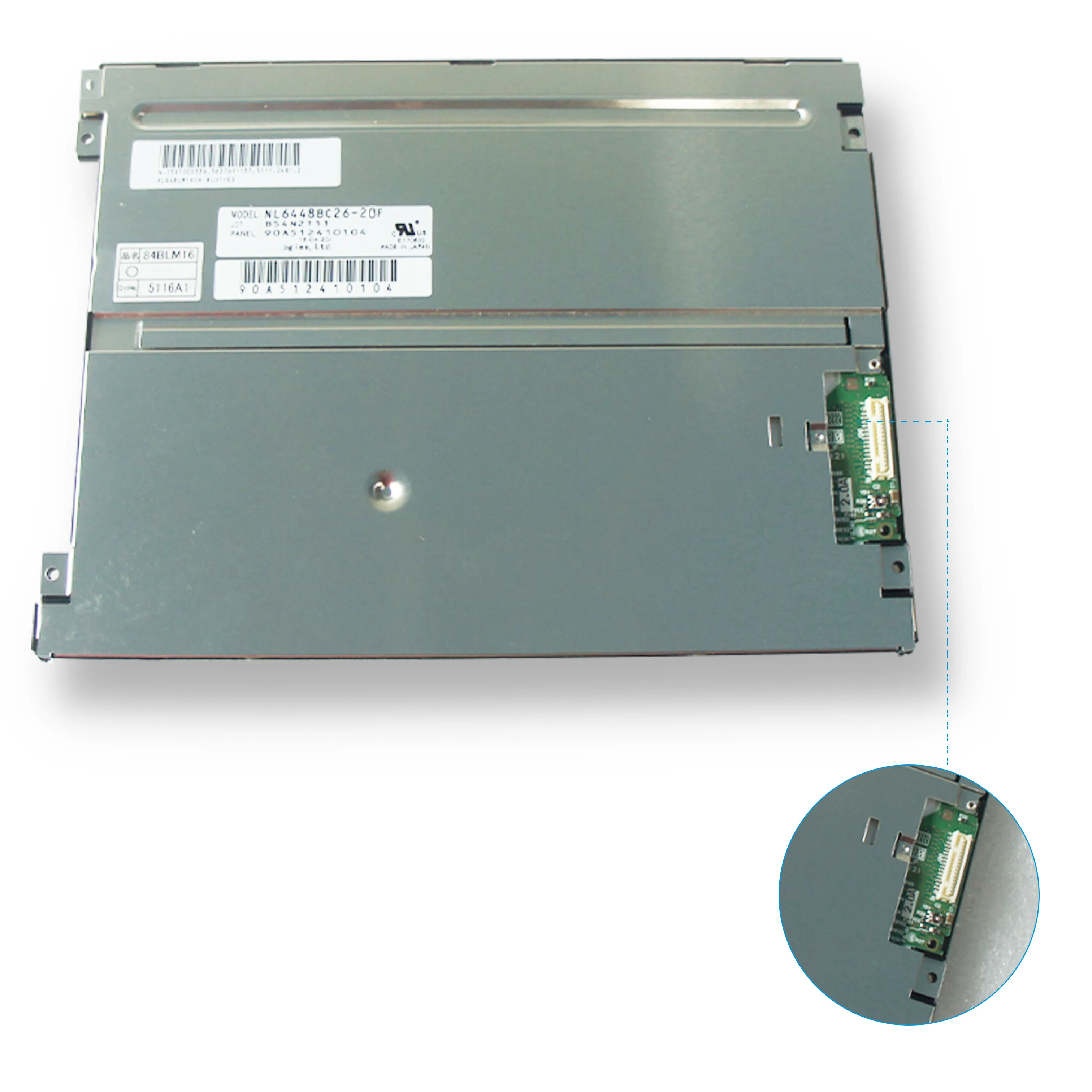

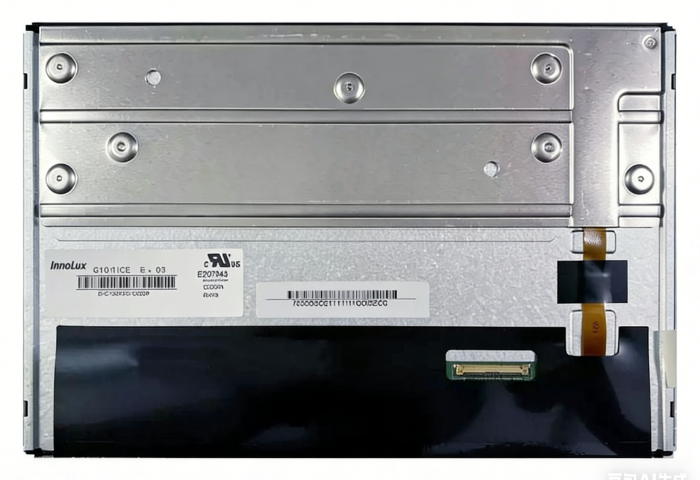
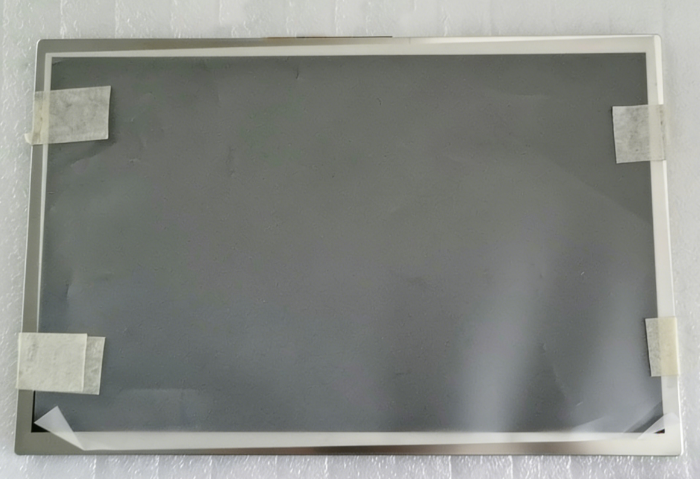
G101ICE-L03 Innolux 10.1 inch 1280*800 lcd display
In the intricate world of electronic components, the display panel often serves as the critical interface between user and machine, defining the clarity, responsiveness, and overall experience of a device. Among the myriad of options available to engineers and product designers, the G101ICE-L03 from Innolux stands out as a compelling solution for a specific class of applications. This 10.1-inch LCD module, with its 1280x800 resolution (commonly known as WXGA), represents a carefully balanced fusion of performance, reliability, and practicality.
This article delves into a comprehensive analysis of the Innolux G101ICE-L03 display. We will move beyond basic datasheet specifications to explore its core technological attributes, the advantages conferred by its optical performance and mechanical design, and its ideal integration scenarios. Our goal is to provide embedded systems engineers, industrial device designers, and procurement specialists with a deep, actionable understanding of where and why this particular display module excels, and how it can be leveraged to create superior end products in a competitive marketplace.
Decoding the G101ICE-L03: Core Specifications and Technology
At its heart, the Innolux G101ICE-L03 is a 10.1-inch diagonal a-Si TFT-LCD module. The 1280 x 800 pixel array yields a widescreen 16:10 aspect ratio and a pixel density of approximately 149 PPI (Pixels Per Inch). This resolution strikes a strategic balance, offering significantly more screen real estate than standard 1024x600 (WSVGA) panels while avoiding the higher power consumption and processing overhead of full HD displays.
The module utilizes an IPS (In-Plane Switching) or advanced FFS (Fringe Field Switching) panel technology, which is a key differentiator. This technology is renowned for delivering superior wide viewing angles, typically 85/85/85/85 degrees (Left/Right/Up/Down), with minimal color shift and contrast degradation when viewed off-axis. The backlight system, often employing LED edge-lighting, provides a brightness of 300 cd/m² (nits) or higher and a contrast ratio of 800:1 or more, ensuring good readability in various indoor lighting conditions. Interface support is typically LVDS (Low-Voltage Differential Signaling), a robust and common standard for industrial applications.
Optical Performance: Clarity, Color, and Readability
The optical characteristics of the G101ICE-L03 are engineered for consistent and reliable performance. The WXGA resolution provides a clear, non-pixelated viewing experience for text, graphics, and user interface elements, making it suitable for applications where information density is important. The color gamut coverage, often around 60-70% of NTSC, is adequate for most industrial and commercial uses, accurately representing diagnostic charts, control panels, and multimedia content without requiring cinematic color range.
A critical, yet sometimes overlooked, aspect is the surface treatment. The module usually features a hard-coated surface or optional treatments to reduce glare and resist scratches. This directly enhances usability under bright lights and extends the display's lifespan in demanding environments. Furthermore, the uniformity of brightness and color across the entire panel surface is a testament to Innolux's manufacturing quality, eliminating distracting hotspots or clouding that can plague lower-grade panels.
Mechanical and Electrical Design for Robust Integration
Designed for seamless integration, the G101ICE-L03 features a compact and sturdy mechanical form factor. Its outline dimensions and mounting hole patterns are standardized, simplifying the mechanical design of the host device's enclosure. The module typically employs a metal frame for enhanced rigidity and electromagnetic interference (EMI) shielding, protecting the sensitive LCD matrix from external noise and physical stress.
Electrically, the module is designed for stability. It includes an integrated timing controller (T-Con) and often requires a single power supply voltage (e.g., 3.3V or 5V for the logic, and a higher voltage for the LED backlight driver). This simplifies power architecture design. The use of an LVDS interface ensures high-speed, low-noise data transmission between the host's graphics controller and the display, which is crucial for maintaining signal integrity over longer cable runs in larger devices like medical carts or industrial control panels.
Ideal Application Scenarios and Market Fit
The specific blend of features makes the G101ICE-L03 a preferred choice for several vertical markets. Its primary domain is industrial human-machine interfaces (HMIs) and control systems for factory automation, where wide viewing angles allow operators to monitor processes from various positions. It is equally prevalent in the medical field, powering diagnostic equipment, patient monitors, and portable medical carts, where reliability and clear imaging are paramount.
Point-of-Sale (POS) and Kiosk Systems: For customer-facing terminals requiring durability and clear transaction displays.
Transportation and Fleet Management: In-vehicle infotainment or navigation systems for commercial vehicles.
Test and Measurement Equipment: Where precise data visualization is critical.
Embedded Computing and Thin Clients: As the primary display for compact, specialized computing units.
Comparative Advantages and Strategic Selection
When selecting a display, the G101ICE-L03 is often positioned against similar panels from other manufacturers or different resolution classes. Its strategic advantages are clear. Compared to lower-resolution 10.1-inch panels, it offers a significant upgrade in usability and information capacity without a drastic cost increase. Against consumer-grade tablet panels, it boasts superior long-term reliability, wider operating temperature ranges (often -20°C to 70°C), and industrial-grade component longevity.
The choice for a designer often boils down to a cost-benefit analysis of resolution versus system requirements. The G101ICE-L03 occupies the "sweet spot" for applications that have outgrown SVGA or WSVGA but do not necessitate the full graphical fidelity and associated processing power of a 1920x1200 display. Its widespread adoption also ensures better long-term supply chain stability and availability of technical documentation.
Integration Best Practices and Longevity Considerations
Successful integration of the G101ICE-L03 extends beyond electrical connection. Thermal management is crucial; ensuring adequate ventilation around the display, particularly the backlight area, prevents overheating and preserves LED lifespan. Proper ESD (Electrostatic Discharge) protection during handling and assembly is mandatory to prevent latent damage to the T-Con and driver ICs.
For long-term projects, considering the product lifecycle of the display is essential. Innolux, as a major panel maker, typically provides longer manufacturing support for such industrial-focused modules compared to consumer models. Engaging with reputable distributors or directly with Innolux for end-of-life (EOL) forecasts and potential second-source options is a prudent part of the design process, mitigating future supply chain risks for products with multi-year production cycles.
FAQs: Innolux G101ICE-L03 10.1" Display
Q10: Where can I find the datasheet and technical drawings?A10: They are available through authorized Innolux distributors or on Innolux's official website for verified partners.
Conclusion
The Innolux G101ICE-L03 10.1-inch WXGA display module exemplifies a purpose-driven component engineered for the demands of professional and industrial environments. It successfully bridges the gap between basic and high-end displays by offering a substantial resolution upgrade, robust optical performance through IPS/FFS technology, and a mechanical design conducive to reliable integration. Its value proposition is not rooted in being the most advanced consumer panel, but in being a dependable, high-quality workhorse for critical applications where clarity, durability, and long-term availability are non-negotiable.
For product developers navigating the complex display landscape, the G101ICE-L03 represents a strategic choice that balances performance with practicality. By understanding its strengths in the context of specific application needs—from factory floors to medical diagnostics—engineers can leverage this module to build devices that are not only functional but also provide a superior and lasting user interface. In a world of rapid technological turnover, such reliable and well-conceived components remain the bedrock of sustainable product design.