- Industrie-LCD-Display
-
Industrial Products
- DC Servo Drive
- AC Servo Drive
- other
- Heidelberg
- FANUC
- IFM
- Meter
- CCD
- Membrane Keypad
- Film
- YOKOGAWA
- Card
- ABB
- MITSUBISHI
- FANUC
- KEYENCE
- BECKHOFF
- Honeywell
- HOLLYSYS
- FUJI servo drives
- HP
- solenoid valve
- thermostat
- Siemens adapter
- color oscilloscope
- Fujitsu connector
- CHELIC
- SMC
- CISCO
- INTEL
- Key board
- FAIRCHILD
- Der Aufsichtsrat
- Board
- Bearing
- other
- Control Panel
- Contactor
- Circuit
- Omron
- Relais.
- Der controller
- Optoelektronische schalter
- Optoelektronische sensoren
- Original
- Fan
- Motortreiber
- Endschalter
- Verstärker
- power supply
- LENZE
- Cable
- Encoder
- Sensor
- Transformator
- Fiber Optic Sensor
- Schutzrelais
- Temperaturregler
- Näherungsschalter
- Switch Sensor
- Siemens
- PCB
- HMI Touch-Glas
-
HMI-Vollautomat Ganze Einheit
- OMRON HMI Touch Panel
- Siemens HMI Touch Panel
- Mitsubishi HMI Touch Panel
- Allen-Bradley Automatisierung HMI Touch
- DELTA HMI Touch Panel
- EVIEW DELTA HMI Touch Panel
- KINCO DELTA HMI Touch Panel
- HITECH HMI Touch Panel
- WEINTECK HMI Touch Panel
- TECVIEW HMI Touch Panel
- WEINVIEW HMI Touch Panel
- PRO-FACE HMI Touch Panel
- SIMATIC HMI Touch Panel
- AMPIRE HMI Touch Panel
- HEIDELBERG HMI Touch Panel
- PANASONIC HMI Touch Panel
- PATLITE HMI Touch Panel
- KYOCERA HMI Touch Panel
- KEYENCE HMI Touch Panel
- WEINVIEW HMI Touch Panel
- HITECH HMI Touch Panel
- FUJI HMI Touch Panel
- HAKKO HMI Touch Panel
- SCHNEIDER HMI Touch Panel
- SAMKOON touch panel
- andere
- Module
- LCD Wechselrichter
- Membran Tastenfeld Schalter
- Winni Touch Screens
- Frequenzumrichter
- Servo Motor
- PLC


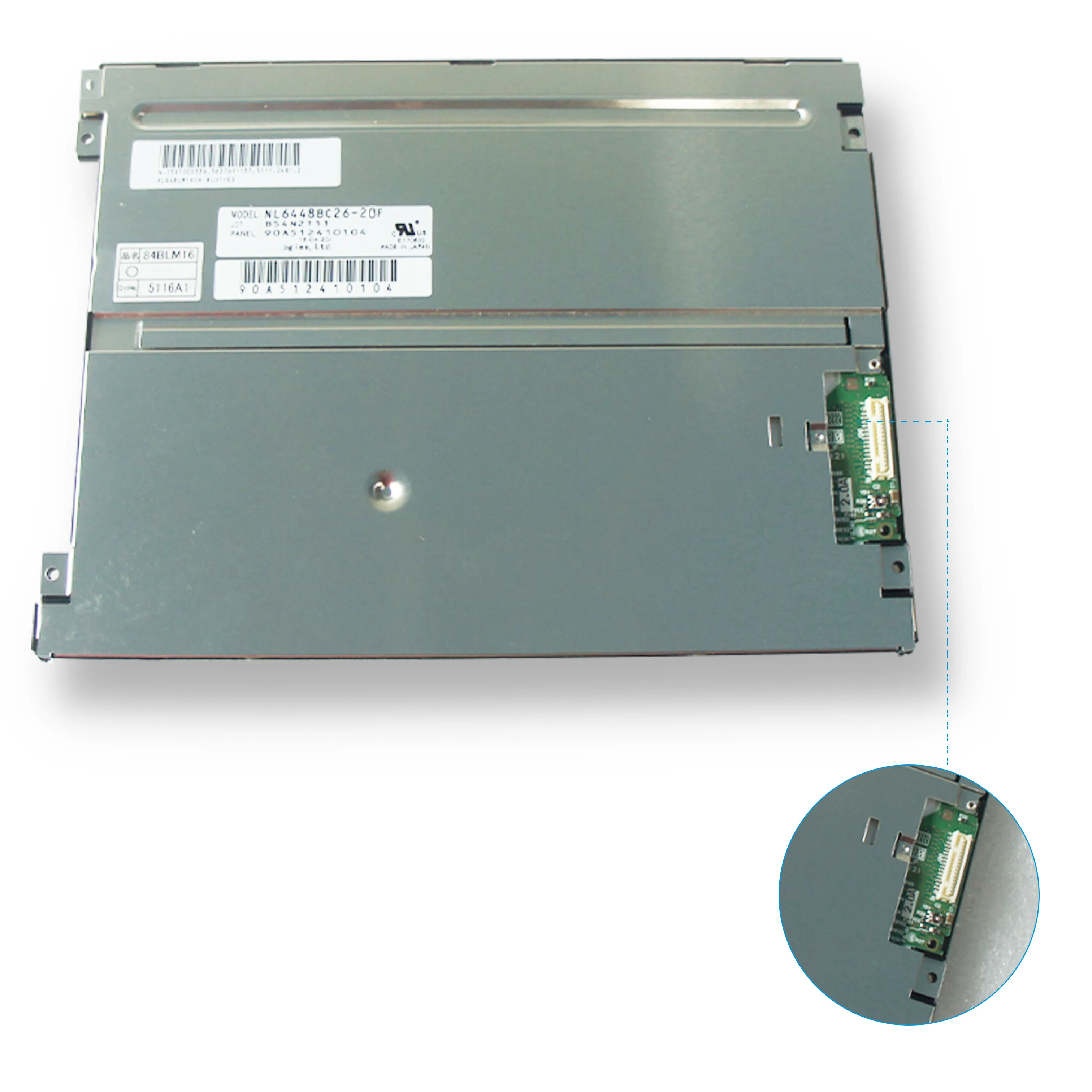

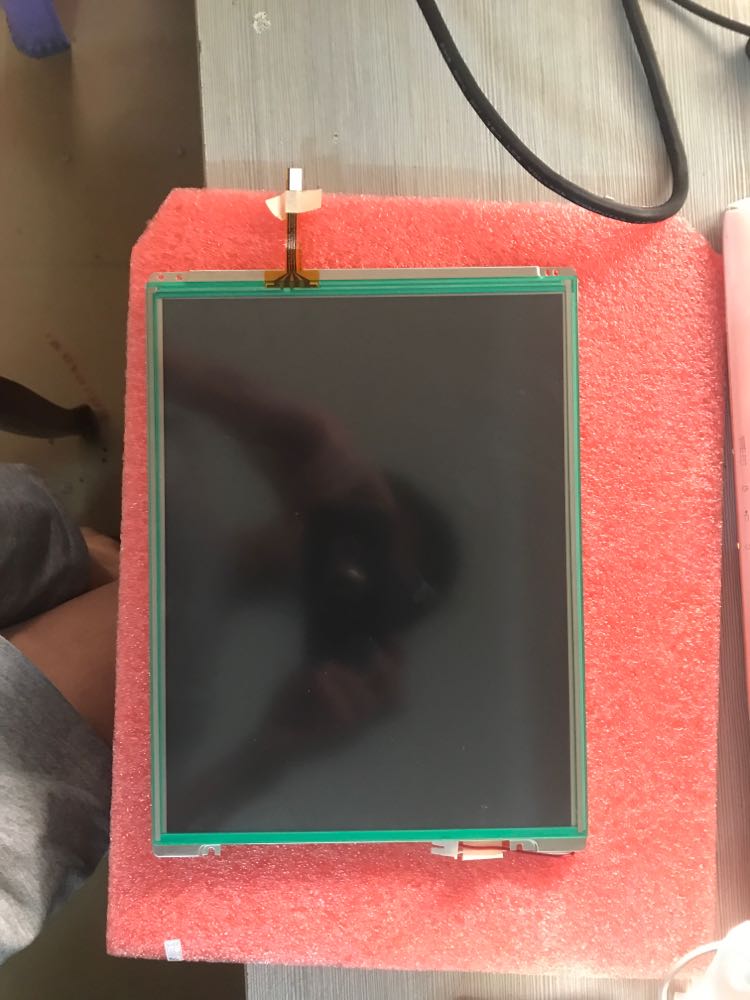
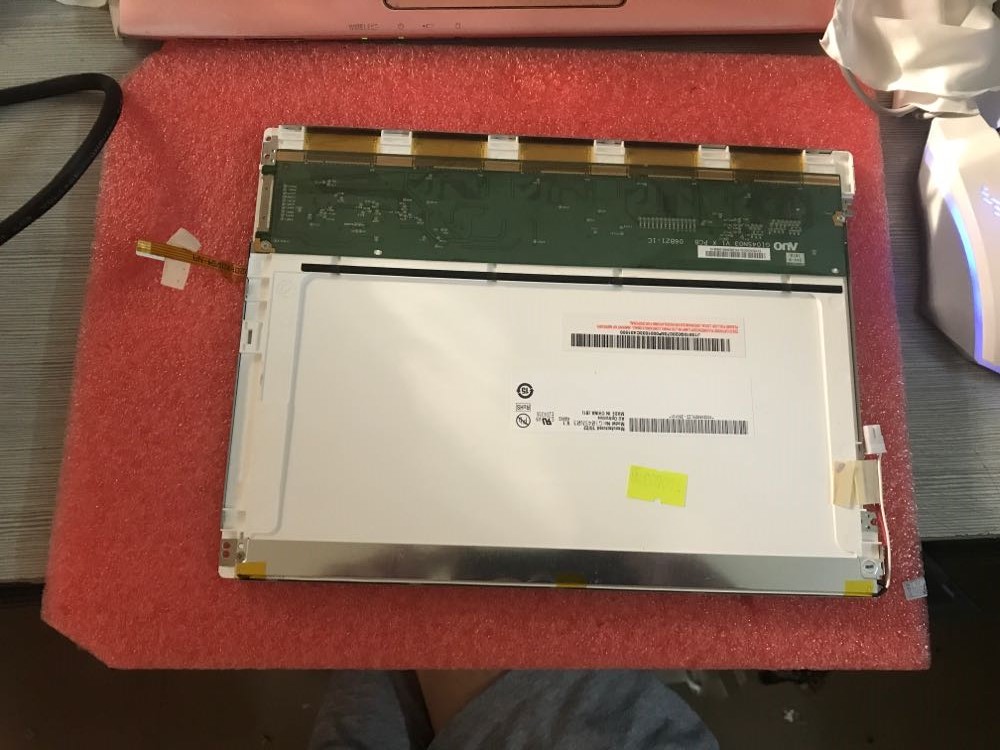
G104SN03 V2 10.4" 800*600 LCD Panel for AUO G104SN03 V.2
In the intricate world of industrial and embedded display solutions, the choice of a single panel can define the performance, reliability, and cost-effectiveness of an entire system. This article delves deep into the specifics of the G104SN03 V2, a 10.4-inch LCD panel developed as a direct replacement and upgrade path for the AUO G104SN03 V.2 model. More than just a part number, this display module represents a critical component in a wide array of demanding applications, from medical devices and industrial human-machine interfaces (HMIs) to point-of-sale systems and transportation consoles.
Our exploration will move beyond basic specifications to examine the technical nuances, compatibility landscape, and practical integration considerations that engineers, procurement specialists, and system integrators must navigate. We will analyze its performance characteristics, compare it with its predecessor and alternatives, and provide actionable insights for sourcing and implementation. Understanding the G104SN03 V2 is essential for anyone tasked with maintaining, upgrading, or designing systems that depend on robust, mid-sized display performance.
Technical Specifications and Performance Profile
The G104SN03 V2 is built around a 10.4-inch diagonal TFT LCD, featuring a native resolution of 800 x 600 pixels (SVGA). This 4:3 aspect ratio remains highly valued in industrial contexts for its efficient use of screen real estate with traditional control interfaces. The panel typically employs a high-brightness LED backlight system, often ranging from 300 to 500 nits or higher, ensuring readability in various ambient lighting conditions.
Key performance parameters include its contrast ratio, color depth (commonly 262K/16.7M colors), and viewing angles. Crucially, it utilizes LVDS (Low-Voltage Differential Signaling) interface technology, which provides robust, low-noise data transmission essential for electrically noisy environments. Understanding these specs is the first step in assessing its suitability. The panel's optical bonding options, temperature range (often standard or wide), and surface treatment (anti-glare, hard coating) are not mere details but decisive factors for longevity and clarity in specific operational settings.
Compatibility and Interchangeability with AUO G104SN03 V.2
The "V2" designation is central to its value proposition. This panel is engineered as a form-fit-function replacement for the original AUO G104SN03 V.2. This means it matches the physical dimensions, mounting hole patterns, and connector type and position. Electrically, it adheres to the same interface standard (LVDS), pinout, and power requirements.
However, true compatibility verification extends beyond the datasheet. Integrators must confirm the exact timing controller (T-Con) parameters and LVDS signal mapping to ensure a plug-and-play experience without firmware or driver adjustments. While designed as a drop-in replacement, subtle differences in optical performance or backlight voltage may exist. Sourcing from a reputable supplier who guarantees compatibility and provides technical support is paramount to avoid costly integration delays or performance mismatches in field upgrades.
Target Applications and Industry Use Cases
The robustness and standardized form factor of the G104SN03 V2 make it a workhorse across several critical industries. In industrial automation, it serves as the primary visual interface for PLCs, CNC machine controls, and factory floor HMIs, where reliability and 24/7 operation are non-negotiable. The medical sector utilizes it in patient monitoring equipment, diagnostic devices, and surgical tools, where consistent color representation and high brightness are vital.
Furthermore, it finds a home in transportation (in-vehicle infotainment and control systems), kiosks and POS terminals, and specialized instrumentation. Its 4:3 format is particularly advantageous for displaying legacy software interfaces, data-heavy vertical lists, and control panels that have not migrated to widescreen layouts. The panel's value lies in its ability to perform consistently in environments where commercial-grade displays would quickly fail.
Advantages Over Alternative Display Technologies
When compared to newer panel technologies like IPS (In-Plane Switching) or modern consumer-grade LCDs, the G104SN03 V2's advantages are niche but significant. Its primary strength is predictability and proven performance within a known ecosystem. For maintenance and lifecycle management of existing equipment, it offers a straightforward upgrade path without system redesign.
While newer panels may offer superior viewing angles or color gamut, they often come in different physical dimensions or use eDP interfaces, forcing costly mechanical and electrical redesigns. The G104SN03 V2 provides a balanced mix of adequate performance, direct compatibility, and typically, a more favorable cost-in-context for replacement scenarios. It represents the optimal choice for extending the service life of capital-intensive machinery.
Sourcing, Verification, and Supply Chain Considerations
Procuring a specialized industrial panel like the G104SN03 V2 requires a strategic approach. The market contains original panels, certified compatible replacements, and lower-grade imitations. Key due diligence steps include: requesting and reviewing detailed datasheets, obtaining sample units for physical and electrical testing, and verifying the supplier's authorization or reputation in the industrial display space.
Supply chain resilience is also critical. Understanding the panel's manufacturing status (active, end-of-life, last-time-buy) is essential for long-term project planning. Establishing a relationship with a supplier that offers inventory management, technical documentation, and lifecycle forecasting can mitigate risk. The goal is to secure a reliable source of quality-assured components, not just the lowest-priced option.
Integration Tips and Long-Term Reliability
Successful integration starts with handling: always treat the panel as an ESD-sensitive device. During installation, ensure the mounting frame is clean and flat to avoid pressure points that can cause Newton's rings or cracking. Connect the LVDS cable securely, avoiding sharp bends that can impair signal integrity.
For long-term reliability, consider the operating environment. If used in high-temperature or high-humidity settings, ensure the specific panel variant is rated accordingly. Implementing proper power sequencing and using a stable, clean power supply will prolong the backlight and electronics' life. Finally, maintain a small stock of spare panels for critical systems to minimize downtime, as lead times for specialized components can be lengthy.
Frequently Asked Questions (FAQs)
Conclusion
The G104SN03 V2 10.4-inch LCD panel exemplifies the critical role of specialized, compatible components in sustaining and upgrading industrial and professional electronic systems. Its value is not rooted in cutting-edge display technology, but in its precise engineering as a reliable, drop-in solution for the extensive installed base of equipment designed around the AUO G104SN03 V.2 standard.
For engineers and procurement professionals, success hinges on a thorough understanding of its technical profile, a diligent approach to verifying compatibility and sourcing, and careful attention to integration details. By mastering these aspects, one can ensure system longevity, minimize downtime, and protect investments in critical hardware. In the world of industrial displays, the right replacement panel is not just a part—it's a pillar of operational continuity.