- Industrie-LCD-Display
-
Industrial Products
- DC Servo Drive
- AC Servo Drive
- other
- Heidelberg
- FANUC
- IFM
- Meter
- CCD
- Membrane Keypad
- Film
- YOKOGAWA
- Card
- ABB
- MITSUBISHI
- FANUC
- KEYENCE
- BECKHOFF
- Honeywell
- HOLLYSYS
- FUJI servo drives
- HP
- solenoid valve
- thermostat
- Siemens adapter
- color oscilloscope
- Fujitsu connector
- CHELIC
- SMC
- CISCO
- INTEL
- Key board
- FAIRCHILD
- Der Aufsichtsrat
- Board
- Bearing
- other
- Control Panel
- Contactor
- Circuit
- Omron
- Relais.
- Der controller
- Optoelektronische schalter
- Optoelektronische sensoren
- Original
- Fan
- Motortreiber
- Endschalter
- Verstärker
- power supply
- LENZE
- Cable
- Encoder
- Sensor
- Transformator
- Fiber Optic Sensor
- Schutzrelais
- Temperaturregler
- Näherungsschalter
- Switch Sensor
- Siemens
- PCB
- HMI Touch-Glas
-
HMI-Vollautomat Ganze Einheit
- OMRON HMI Touch Panel
- Siemens HMI Touch Panel
- Mitsubishi HMI Touch Panel
- Allen-Bradley Automatisierung HMI Touch
- DELTA HMI Touch Panel
- EVIEW DELTA HMI Touch Panel
- KINCO DELTA HMI Touch Panel
- HITECH HMI Touch Panel
- WEINTECK HMI Touch Panel
- TECVIEW HMI Touch Panel
- WEINVIEW HMI Touch Panel
- PRO-FACE HMI Touch Panel
- SIMATIC HMI Touch Panel
- AMPIRE HMI Touch Panel
- HEIDELBERG HMI Touch Panel
- PANASONIC HMI Touch Panel
- PATLITE HMI Touch Panel
- KYOCERA HMI Touch Panel
- KEYENCE HMI Touch Panel
- WEINVIEW HMI Touch Panel
- HITECH HMI Touch Panel
- FUJI HMI Touch Panel
- HAKKO HMI Touch Panel
- SCHNEIDER HMI Touch Panel
- SAMKOON touch panel
- andere
- Module
- LCD Wechselrichter
- Membran Tastenfeld Schalter
- Winni Touch Screens
- Frequenzumrichter
- Servo Motor
- PLC



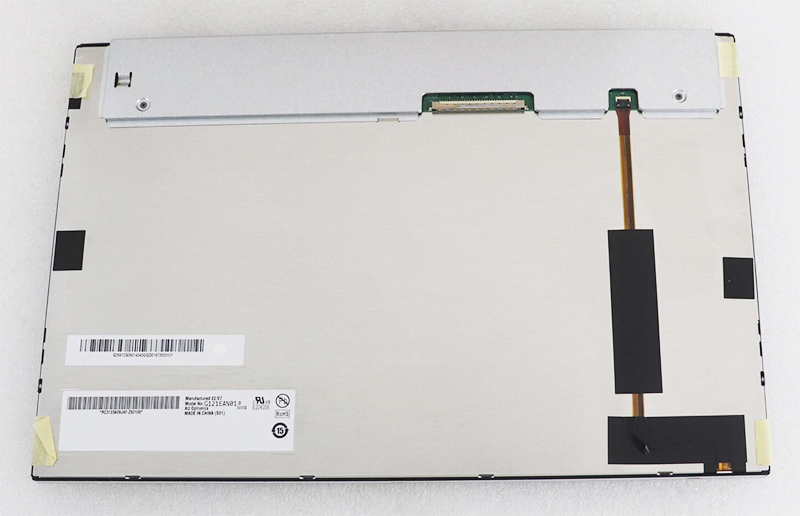
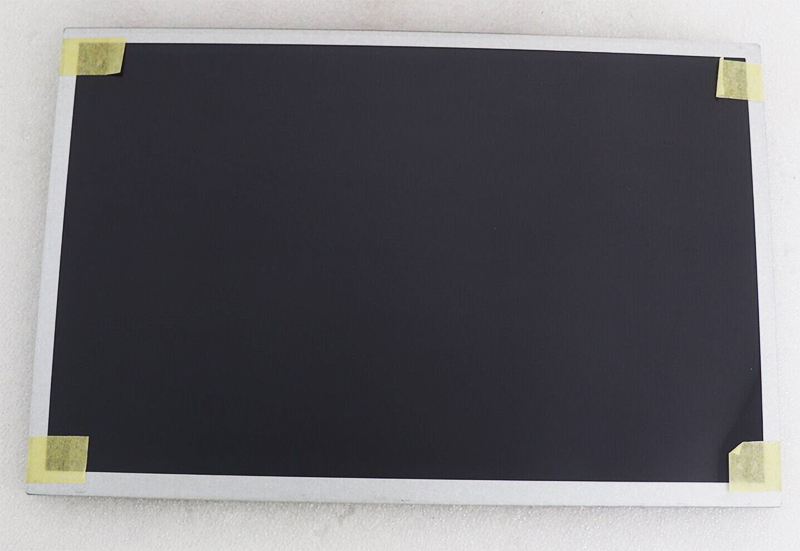
G121EAN01.0 AUO 12.1inch 1280*800 lcd panel
In the intricate world of electronic displays, the choice of a core component like an LCD panel can define the success of a device. This article delves into a detailed examination of the G121EAN01.0, a 12.1-inch LCD panel manufactured by AUO (AU Optronics). This specific model, with its 1280x800 resolution (WXGA), represents a critical piece in the puzzle for engineers, product designers, and procurement specialists across various industries. We will move beyond the basic datasheet to explore its technical DNA, practical applications, and the nuanced advantages it offers in a competitive market.
Our analysis aims to provide a comprehensive resource. We will dissect its key specifications, benchmark its performance against common needs, and identify the real-world products it enables. Furthermore, we will address integration considerations, supply chain dynamics, and its positioning within the broader technological landscape. Whether you are evaluating this panel for a medical monitor, an industrial human-machine interface (HMI), or a portable device, this deep dive offers the insights necessary to make an informed decision.
Decoding the Specifications: The G121EAN01.0 Under the Microscope
The G121EAN01.0 is built on a-Si TFT LCD (Amorphous Silicon Thin-Film Transistor) technology, a mature and reliable foundation. Its 12.1-inch diagonal active area provides a balanced form factor, while the 1280 x 800 pixel resolution offers a 16:10 aspect ratio. This aspect ratio is particularly valued for providing additional vertical screen real estate compared to the ubiquitous 16:9 format, beneficial for viewing documents, coding, or displaying diagnostic information.
Key performance parameters include a standard brightness of 300 cd/m² (nits) and a contrast ratio of 600:1, ensuring legibility in typical office or indoor industrial environments. The panel features a wide viewing angle of 85/85/85/85 (Left/Right/Up/Down), crucial for applications where multiple operators need to view the screen simultaneously. Interface support is centered on LVDS (Low-Voltage Differential Signaling), a robust and common standard for transmitting high-speed video data, ensuring broad compatibility with standard controller boards.
Targeted Applications: Where This Panel Excels
The G121EAN01.0 is not designed for consumer televisions or high-end gaming monitors. Its value proposition lies in commercial, industrial, and embedded systems. Its robustness and standardized interface make it a prime candidate for Industrial Human-Machine Interfaces (HMIs) on factory floors, where reliability is paramount. The 16:10 aspect ratio is advantageous here for displaying control schematics and data logs.
In the medical field, this panel can be found in patient monitoring systems, diagnostic equipment displays, and portable carts, where clear, consistent image quality is essential. Furthermore, it serves as a reliable display for point-of-sale (POS) systems, kiosks, and transportation infotainment. Its specifications strike a deliberate balance between performance, power consumption, and cost, targeting applications where continuous, stable operation over long periods is more critical than ultra-high refresh rates or extreme color gamuts.
Performance Analysis: Brightness, Color, and Readability
With a brightness of 300 nits, the panel is suited for controlled indoor lighting. It may not be ideal for direct, bright sunlight readability without additional optical bonding or enhancements. The color gamut typically covers around 45-50% of the NTSC standard, which is adequate for its target markets. It delivers faithful, if not spectacular, color reproduction—sufficient for diagnostic grayscales, interface graphics, and data visualization.
The 600:1 contrast ratio ensures that text and graphics appear sharp with distinct separation between dark and light areas. The symmetrical 85-degree viewing angle in all directions is a significant strength, preventing color shift and contrast loss when viewed from off-angles. This is a key differentiator from older TN (Twisted Nematic) panels and is vital in multi-operator environments. Overall, its performance profile is optimized for clarity, reliability, and functional readability over multimedia prowess.
Integration and Compatibility Considerations
Integrating the G121EAN01.0 into a product requires careful planning. The LVDS interface necessitates a compatible timing controller (T-Con) on the panel's driver board and a matching LVDS output from the host system's graphics controller. Designers must ensure the electrical characteristics and pinouts align perfectly.
Mechanically, the panel's dimensions, bezel size, and mounting hole positions are critical for chassis design. Power requirements and thermal management must also be accounted for in the system design. Furthermore, designers should consider the potential need for additional components such as inverters for the backlight (if using CCFL) or LED drivers, though many modern versions may have integrated LED backlighting. Successful integration hinges on treating the panel not as an isolated component but as part of a holistic electronic and mechanical system.
Supply Chain and Alternative Sourcing
As a model from a major manufacturer like AUO, the G121EAN01.0 benefits from established manufacturing processes. However, its status as a specific part number means availability can fluctuate. It is crucial to engage with authorized distributors or reliable specialist suppliers in the display module market to ensure genuine, high-quality stock.
For long-term product planning, understanding the panel's product lifecycle is essential. Manufacturers often provide notifications for end-of-life (EOL), prompting the need for a last-time buy or a planned redesign. Exploring compatible alternatives from other manufacturers (like Innolux, BOE, or LG Display) with similar or identical specifications (a "drop-in replacement") is a standard risk mitigation strategy in embedded design. This ensures product continuity and protects against supply chain disruptions.
The Competitive Landscape and Technological Context
The G121EAN01.0 exists in a competitive space defined by evolving technologies. While newer IPS (In-Plane Switching) panels offer even wider viewing angles and better color, and OLED provides superior contrast, the G121EAN01.0 holds its ground through cost-effectiveness, proven reliability, and supply chain maturity.
Its 1280x800 resolution remains relevant for many embedded applications where higher resolutions would unnecessarily increase system cost and processing power requirements. The panel represents a "sweet spot" for numerous professional applications. Its true competition often comes from other panels within the same performance tier, where factors like total cost of ownership, mechanical compatibility, and long-term availability become the decisive factors rather than sheer technical specs.
FAQs: G121EAN01.0 LCD Panel
10. Where can I find the detailed datasheet?Datasheets are available through AUO's official channels or from authorized distributors and display module suppliers.
Conclusion
The AUO G121EAN01.0 12.1-inch LCD panel is a testament to the enduring value of optimized, application-specific engineering. It may not boast the highest resolution or the most vibrant colors, but it delivers precisely what its target markets demand: reliable performance, excellent viewing angles, and robust compatibility within a proven form factor. Its strengths lie in its suitability for mission-critical environments where downtime is not an option.
For designers and engineers, selecting this panel is a decision rooted in pragmatism. It involves evaluating the total system integration cost, long-term supply chain stability, and the specific functional requirements of the end product. In a landscape constantly chasing the next technological breakthrough, the G121EAN01.0 serves as a reliable workhorse, enabling a wide array of professional and industrial devices to perform their roles effectively day in and day out.