- Industrial LCD display
-
Industrial Products
- DC Servo Drive
- AC Servo Drive
- other
- Heidelberg
- FANUC
- IFM
- Meter
- CCD
- Membrane Keypad
- Film
- YOKOGAWA Module
- Card
- ABB
- MITSUBISHI
- FANUC
- KEYENCE
- BECKHOFF
- Honeywell
- HOLLYSYS
- FUJI servo drives
- HP
- solenoid valve
- thermostat
- Siemens adapter
- color oscilloscope
- Fujitsu connector
- CHELIC
- SMC
- CISCO Module
- INTEL
- Key board
- FAIRCHILD
- Motherboard
- Board
- Bearing
- other
- Control Panel
- Contactor
- Circuit
- OMRON
- Relay
- Controller
- Photoelectric Switch
- Photoelectric Sensor
- Original
- Fan
- Motor Driver
- Limit Switch
- Amplifier
- power supply
- LENZE
- Cable
- Encoder
- Sensor
- Transformer
- Fiber Optic Sensor
- Protection Relay
- Temperature Controller
- Proximity Switch
- Switch Sensor
- Siemens
- Industrial board
- HMI Touch Glass
-
HMI Full Machine Whole unit
- OMRON HMI Touch Panel
- Siemens HMI Touch Panel
- Mitsubishi HMI Touch Panel
- Allen-Bradley automation HMI Touch Panel
- DELTA HMI Touch Panel
- EVIEW DELTA HMI Touch Panel
- KINCO DELTA HMI Touch Panel
- HITECH HMI Touch Panel
- WEINTECK HMI Touch Panel
- TECVIEW HMI Touch Panel
- WEINVIEW HMI Touch Panel
- PRO-FACE HMI Touch Panel
- SIMATIC HMI Touch Panel
- AMPIRE HMI Touch Panel
- HEIDELBERG HMI Touch Panel
- PANASONIC HMI Touch Panel
- PATLITE HMI Touch Panel
- KYOCERA HMI Touch Panel
- KEYENCE HMI Touch Panel
- WEINVIEW HMI Touch Panel
- HITECH HMI Touch Panel
- FUJI HMI Touch Panel
- HAKKO HMI Touch Panel
- SCHNEIDER HMI Touch Panel
- SAMKOON touch panel
- other
- Module
- lcd inverter
- Membrane Keypad Switch
- Winni Touch Screens
- Frequency Inverter
- Servo Motor
- PLC




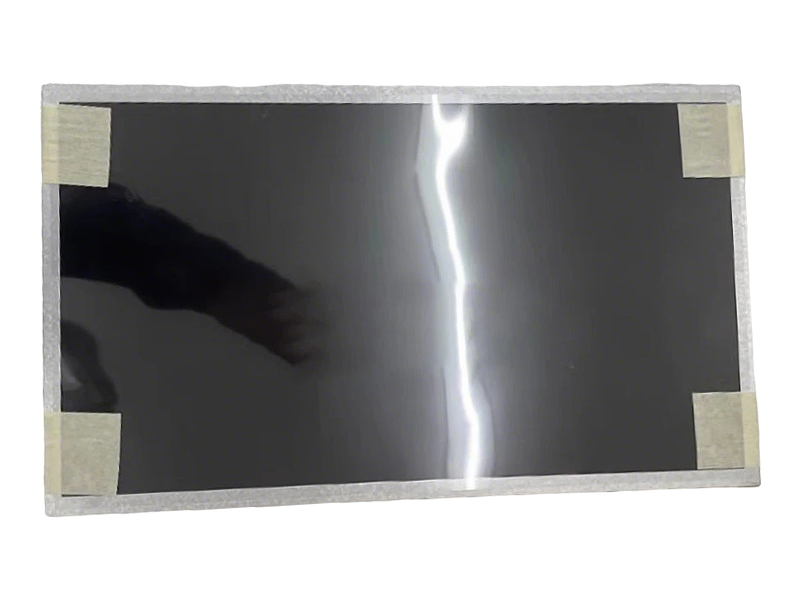
G156HAN02.2 New Original AUO 15.6inch 1920*1080 LCD screen
In the intricate ecosystem of display technology, where specifications often blur into a sea of numbers, the G156HAN02.2 emerges as a distinct and critical component. This 15.6-inch LCD panel, manufactured by AU Optronics (AUO), represents more than just a collection of pixels; it is the visual engine for countless laptops, monitors, and specialized devices. As an "Original" panel, it signifies genuine AUO manufacturing, ensuring adherence to stringent quality and performance benchmarks that off-brand counterparts frequently fail to meet.
This article delves deep into the G156HAN02.2, moving beyond basic spec sheets to explore its technical DNA, practical applications, and the tangible value it brings to system integrators, repair specialists, and discerning end-users. We will dissect its core attributes, from its mainstream Full HD resolution to its panel technology and connector interface, providing a comprehensive understanding of where this screen excels and for whom it is the ideal visual solution. Understanding such components is key to making informed decisions in both procurement and repair, ensuring optimal display performance and longevity.
Decoding the Model: Understanding the G156HAN02.2 Nomenclature
AUO's model naming convention is a coded language that reveals key specifications. Breaking down G156HAN02.2 provides immediate insights. G typically denotes a panel for notebook applications. 156 confirms the 15.6-inch diagonal screen size. H often indicates a resolution tier, here aligning with Full HD (1920x1080). AN is AUO's internal code for the specific panel series and technology generation.
The 02.2 suffix is crucial, denoting the revision or sub-variant. This can indicate minor improvements in backlighting, power efficiency, or compatibility over a base "01.0" model. Recognizing this is vital for sourcing exact replacements, as a different revision, though sharing the main model number, may have physical or electrical incompatibilities. This naming system allows professionals to quickly identify the panel's form factor, resolution class, and generation before examining deeper specs.

Core Technical Specifications and Performance Analysis
At its heart, the G156HAN02.2 is built around a 1920x1080 Full HD resolution IPS (In-Plane Switching) panel. The IPS technology is its standout feature, offering superior color consistency and wide viewing angles compared to older TN (Twisted Nematic) panels. Users can expect clear images without significant color shift or contrast loss even when viewed from sharp side angles.
Typical performance parameters include a brightness of around 220-250 nits, suitable for indoor environments, and a contrast ratio in the region of 700:1 to 1000:1. Its color gamut coverage is generally around 45% NTSC, positioning it as a reliable workhorse for everyday computing, office tasks, and general multimedia rather than professional color-critical work. The panel interfaces via a standard 30-pin or 40-pin LVDS (Low-Voltage Differential Signaling) connector, which is a common interface for many laptop displays of its generation.
The AUO Advantage: Quality and Reliability in Display Manufacturing
Specifications alone don't define a component's worth; the manufacturer's pedigree is paramount. AU Optronics is a tier-one display panel manufacturer, supplying screens to major global laptop brands. An original G156HAN02.2 panel carries the assurance of AUO's quality control, consistent performance, and designed longevity.
This contrasts sharply with "compatible" or refurbished panels of uncertain origin. Original AUO panels guarantee precise color calibration from the factory, absence of dead pixels (within standard allowance), and reliable backlight systems. For system integrators, this means fewer returns and higher customer satisfaction. For repair technicians, it ensures a perfect fit and function, eliminating compatibility guesswork and ensuring the repaired device meets its original display quality standards.
Primary Applications and Ideal Use Cases
The G156HAN02.2 finds its home in a specific niche of the market. Its primary application is as a direct replacement screen in laptops that originally shipped with this exact panel model. This covers a wide range of business and consumer notebooks from various brands that sourced their displays from AUO during this panel's production cycle.
Beyond repair, it is a key component for custom builds and industrial applications. It is commonly used in all-in-one PCs, portable medical monitors, point-of-sale systems, and industrial control panels where a reliable 15.6-inch Full HD IPS interface is required. Its balance of common resolution, good viewing angles, and standard LVDS interface makes it a versatile and readily integrable choice for OEMs and DIY integrators in these fields.
Compatibility Considerations and Sourcing Guidance
Successful integration hinges on precise compatibility. The G156HAN02.2 is not a universal 15.6-inch screen. Key checks must include: Connector Type (exact pin count and placement), Mounting Bracket Position (the location of screw holes on the rear), and Panel Thickness. Using a panel with mismatched brackets will make physical installation impossible.
When sourcing, always prioritize reputable suppliers who specify they are providing new original AUO panels. Request high-resolution photos of the connector, label, and brackets to compare with your original. Be wary of prices that seem too good to be true, as they often indicate lower-grade "compatible" panels with potential issues like backlight bleed, poor color uniformity, or shorter lifespans. Verifying the exact revision (02.2) is also a critical final step.
Comparative Context: Positioning in the Modern Display Landscape
While newer laptops have moved to slimmer eDP (Embedded DisplayPort) interfaces and higher refresh rates or resolutions, the G156HAN02.2 remains highly relevant. It represents the peak of the mainstream LVDS-era IPS technology. Compared to its contemporary TN panel rivals, it offers vastly better viewing angles and color reproduction.
In today's context, it is not a panel for gaming enthusiasts seeking 144Hz or creative professionals needing 100% sRGB coverage. Its value lies in its proven reliability, excellent cost-effectiveness for repairs and specific integrations, and its high-quality IPS viewing experience for general use. It fills the essential role of maintaining and building systems where this specific combination of interface, size, and performance is the required standard.
FAQs: G156HAN02.2 LCD Screen
10. How do I ensure I'm buying a genuine AUO panel?Source from reputable suppliers, ask for photos of the AUO label on the panel rear, and be cautious of prices significantly below market average.
Conclusion
The AUO G156HAN02.2 LCD screen exemplifies how a well-engineered, purpose-specific component maintains significant value long after its initial production run. Its combination of 15.6-inch Full HD IPS clarity, reliable LVDS interface, and the inherent quality of a tier-one manufacturer makes it far more than a commodity. For the repair community, it is the key to restoring devices to their original visual fidelity. For system integrators, it represents a trusted, predictable building block for a variety of applications.
In a market flooded with generic alternatives, understanding and specifying an original panel like the G156HAN02.2 is the definitive step towards ensuring durability, performance, and user satisfaction. It stands as a testament to the importance of component-level knowledge, proving that the right screen is not just about pixels, but about precision, compatibility, and proven reliability.