- Industrial LCD display
-
Industrial Products
- DC Servo Drive
- AC Servo Drive
- other
- Heidelberg
- FANUC
- IFM
- Meter
- CCD
- Membrane Keypad
- Film
- YOKOGAWA Module
- Card
- ABB
- MITSUBISHI
- FANUC
- KEYENCE
- BECKHOFF
- Honeywell
- HOLLYSYS
- FUJI servo drives
- HP
- solenoid valve
- thermostat
- Siemens adapter
- color oscilloscope
- Fujitsu connector
- CHELIC
- SMC
- CISCO Module
- INTEL
- Key board
- FAIRCHILD
- Motherboard
- Board
- Bearing
- other
- Control Panel
- Contactor
- Circuit
- OMRON
- Relay
- Controller
- Photoelectric Switch
- Photoelectric Sensor
- Original
- Fan
- Motor Driver
- Limit Switch
- Amplifier
- power supply
- LENZE
- Cable
- Encoder
- Sensor
- Transformer
- Fiber Optic Sensor
- Protection Relay
- Temperature Controller
- Proximity Switch
- Switch Sensor
- Siemens
- Industrial board
- HMI Touch Glass
-
HMI Full Machine Whole unit
- OMRON HMI Touch Panel
- Siemens HMI Touch Panel
- Mitsubishi HMI Touch Panel
- Allen-Bradley automation HMI Touch Panel
- DELTA HMI Touch Panel
- EVIEW DELTA HMI Touch Panel
- KINCO DELTA HMI Touch Panel
- HITECH HMI Touch Panel
- WEINTECK HMI Touch Panel
- TECVIEW HMI Touch Panel
- WEINVIEW HMI Touch Panel
- PRO-FACE HMI Touch Panel
- SIMATIC HMI Touch Panel
- AMPIRE HMI Touch Panel
- HEIDELBERG HMI Touch Panel
- PANASONIC HMI Touch Panel
- PATLITE HMI Touch Panel
- KYOCERA HMI Touch Panel
- KEYENCE HMI Touch Panel
- WEINVIEW HMI Touch Panel
- HITECH HMI Touch Panel
- FUJI HMI Touch Panel
- HAKKO HMI Touch Panel
- SCHNEIDER HMI Touch Panel
- SAMKOON touch panel
- other
- Module
- lcd inverter
- Membrane Keypad Switch
- Winni Touch Screens
- Frequency Inverter
- Servo Motor
- PLC




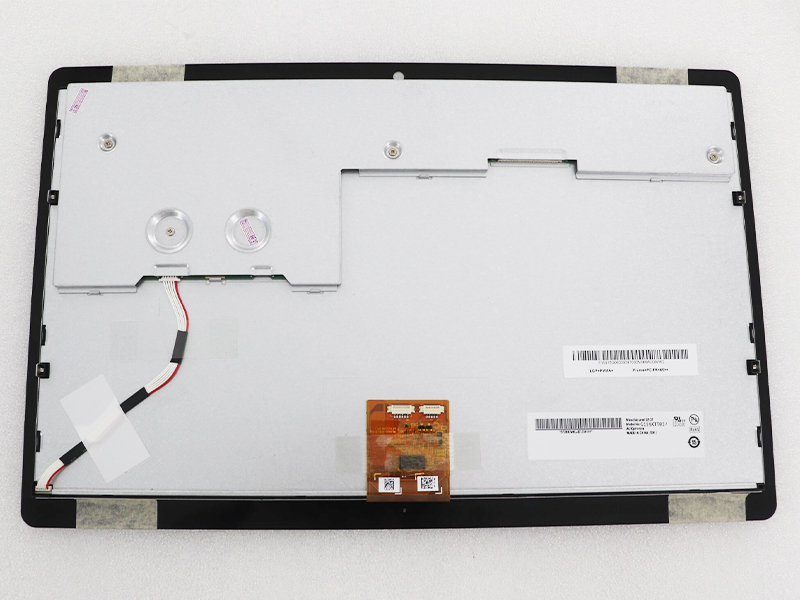
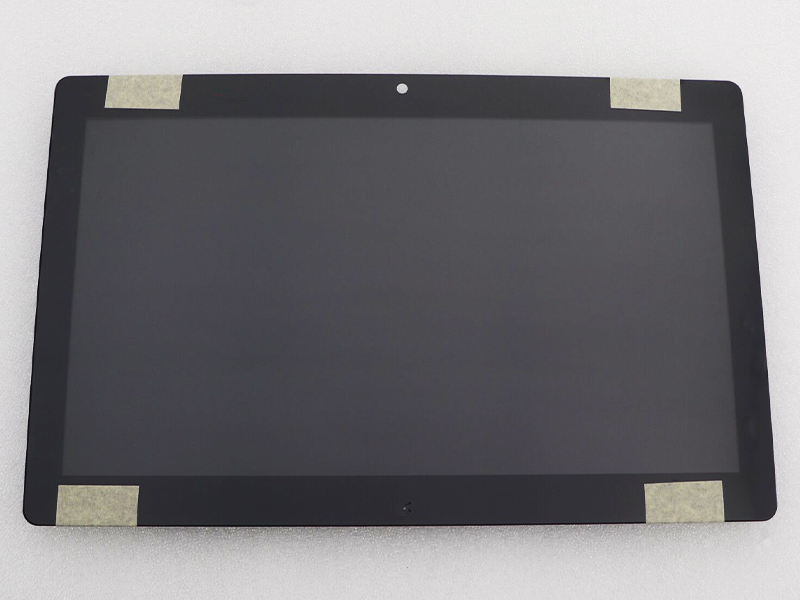
G156XTT01.1 AUO 15.6inch 1366×768 LCD DISPLAY
In the intricate ecosystem of modern electronics, the display panel serves as the critical interface between human and machine. While the market's spotlight often shines on the latest 4K OLED or high-refresh-rate gaming screens, a vast world of specialized, industrial-grade panels forms the backbone of countless everyday devices. This article delves deep into one such component: the G156XTT01.1 AUO 15.6-inch 1366x768 LCD Display. This specific model number represents more than just a collection of specs; it encapsulates a design philosophy tailored for reliability, longevity, and specific application environments.
Our exploration will move beyond superficial specifications to uncover the engineering rationale behind its design, its ideal use cases, and its position in the current technological landscape. We will dissect its core characteristics, from the seemingly modest resolution to its connector type and backlight technology, explaining the "why" behind each choice. This analysis is crucial for engineers, procurement specialists, and tech enthusiasts seeking to understand the components that power everything from industrial control systems and point-of-sale terminals to legacy and specialized computing equipment.
Decoding the Model: Anatomy of the G156XTT01.1
The model name G156XTT01.1 is a precise identifier following AUO's internal nomenclature. Breaking it down reveals its core identity: 'G' likely denotes a product series or generation, '156' confirms the 15.6-inch diagonal screen size, and 'XTT' refers to the specific panel design, including its physical characteristics and performance profile. The suffix '01.1' often indicates a revision or minor version update. This panel features an a-Si (amorphous Silicon) TFT-LCD construction, a mature and cost-effective technology known for its stability. The native resolution of 1366 x 768 pixels, commonly known as HD or WXGA, offers a balance between clarity and the data processing load on the connected system's controller. This resolution is a key differentiator, positioning it not for multimedia consumption, but for functional interface display.
The Rationale Behind WXGA: Resolution in Context
In an era of 4K displays, the 1366x768 (WXGA) resolution may appear dated. However, for the G156XTT01.1's target applications, this choice is deliberate and advantageous. Firstly, it imposes a significantly lower computational burden on the host device's graphics subsystem, which is critical for embedded systems, industrial PCs, or legacy hardware where processing power is allocated to core operational tasks, not graphics rendering. Secondly, the pixel density at 15.6 inches results in adequately sharp text and user interface elements for business and industrial software, which are often designed with standard control sizes. This resolution ensures compatibility and legibility without scaling issues. It represents a pragmatic sweet spot where functionality, cost, and system resource management converge.
Interface and Integration: The LVDS Connection Standard
A defining technical feature of this display is its use of an LVDS (Low-Voltage Differential Signaling) interface, typically through a standard 30-pin or 40-pin connector. LVDS has been the workhorse for internal display connections in laptops, industrial equipment, and medical devices for years. It offers robust, low-noise data transmission over a simple cable, which is highly resistant to electromagnetic interference—a vital consideration in industrial settings. The presence of LVDS means the panel is designed for direct integration into a system's motherboard or a dedicated controller board, not for plug-and-play use via HDMI or DisplayPort. This underscores its role as a component-level product for OEMs (Original Equipment Manufacturers) and system integrators, rather than a consumer-grade monitor.
Backlight System and Optical Performance
The G156XTT01.1 utilizes an LED edge-lit backlight system, which provides bright, even illumination while maintaining a slim profile and good energy efficiency. Key optical parameters include its brightness (typically measured in nits), contrast ratio, and color gamut coverage (likely around 45-50% NTSC). These specs are calibrated for readability under various ambient lighting conditions found in offices, factories, or retail environments, rather than for color-critical creative work. The viewing angles, while acceptable for a single user directly facing the screen, may exhibit color and contrast shift at extreme angles, as it is not designed for wide-viewing applications. The performance is tailored to be sufficient and reliable for its intended purpose.
Target Applications and Industry Use Cases
This panel is not destined for high-end gaming laptops or designer workstations. Its true value is realized in specialized and demanding environments. Primary applications include:
Industrial Human-Machine Interfaces (HMIs): Embedded in machinery, control panels, and automation systems where reliability is paramount.
Point-of-Sale (POS) Terminals and Kiosks: Powering checkout systems, self-service kiosks, and digital menus, often running for extended hours.
Medical Monitoring Equipment: Used in devices where consistent, clear data presentation is crucial (subject to specific medical-grade certifications).
Legacy Computing and Repair: Serving as a direct replacement screen for older laptops or specialized equipment that originally used this exact panel model.
In these contexts, long-term availability, consistent performance, and cross-compatibility are more critical than cutting-edge specs.
The Replacement and Compatibility Landscape
For technicians and integrators, understanding compatibility is key. The G156XTT01.1 is defined by a strict set of parameters: size, resolution, interface (LVDS pin count and signal order), physical dimensions, and mounting hole positions. When seeking a replacement, one must match all these factors, not just the screen size. Using an incompatible panel can lead to no display, distorted image, or physical fitting issues. This panel may have compatible alternatives or direct substitutes from other manufacturers, identified by cross-reference databases. Sourcing from reputable suppliers is essential to avoid counterfeit or refurbished panels misrepresented as new, ensuring the longevity and stability of the end product.
FAQs: G156XTT01.1 AUO Display
1. What is the G156XTT01.1 display primarily used for?
It is primarily used in industrial HMIs, POS systems, kiosks, medical devices, and as a replacement for older laptop screens.
2. Is this a 1080p Full HD display?
No. Its native resolution is 1366x768 (WXGA/HD), not 1920x1080 (Full HD).
3. Can I connect this panel directly to my laptop's HDMI port?
No. It uses an LVDS interface and requires a dedicated controller board to convert signals from HDMI, VGA, or other standard video ports.
4. What does "LVDS" mean, and why is it important?
LVDS (Low-Voltage Differential Signaling) is a stable, low-noise digital interface standard for internal display connections, crucial for reliability in industrial environments.
5. Is the screen matte or glossy?
Industrial panels like this one typically feature a matte or anti-glare surface treatment to reduce reflections in brightly lit work environments.
6. How do I know if a replacement panel is compatible?
You must match the size, resolution, interface type (LVDS pin count), connector location, and mounting hole pattern exactly.
7. What is the typical brightness of this panel?
While specifications can vary, panels in this class typically offer brightness levels between 200 and 300 nits.
8. Does it have a wide viewing angle like an IPS panel?
It likely uses a TN-type panel, which offers adequate viewing angles for direct use but with color and contrast shifts at extreme angles, unlike modern IPS screens.
9. Can I use this for gaming?
It is not recommended. The resolution, refresh rate, and response time are not optimized for gaming performance.
10. Where can I source a genuine G156XTT01.1 panel?
Source from authorized AUO distributors or highly reputable electronic component suppliers specializing in display panels to ensure authenticity.
Conclusion
The G156XTT01.1 AUO 15.6-inch display exemplifies the engineering principle of "fit for purpose." Its value lies not in winning spec sheets, but in delivering unwavering reliability, seamless integration, and long-term stability within specific technological ecosystems. From the pragmatic choice of WXGA resolution to the robust LVDS interface, every aspect is optimized for industrial, commercial, and legacy applications where downtime is not an option.
Understanding such components is vital for making informed design, procurement, and repair decisions. In a world captivated by the latest consumer tech, this panel serves as a reminder that a significant portion of our digital infrastructure relies on these specialized, unsung workhorses. It represents a mature, proven solution that continues to enable functionality across countless industries, proving that in technology, optimal performance is always defined by context.