- Industrial LCD display
-
Industrial Products
- DC Servo Drive
- AC Servo Drive
- other
- Heidelberg
- FANUC
- IFM
- Meter
- CCD
- Membrane Keypad
- Film
- YOKOGAWA Module
- Card
- ABB
- MITSUBISHI
- FANUC
- KEYENCE
- BECKHOFF
- Honeywell
- HOLLYSYS
- FUJI servo drives
- HP
- solenoid valve
- thermostat
- Siemens adapter
- color oscilloscope
- Fujitsu connector
- CHELIC
- SMC
- CISCO Module
- INTEL
- Key board
- FAIRCHILD
- Motherboard
- Board
- Bearing
- other
- Control Panel
- Contactor
- Circuit
- OMRON
- Relay
- Controller
- Photoelectric Switch
- Photoelectric Sensor
- Original
- Fan
- Motor Driver
- Limit Switch
- Amplifier
- power supply
- LENZE
- Cable
- Encoder
- Sensor
- Transformer
- Fiber Optic Sensor
- Protection Relay
- Temperature Controller
- Proximity Switch
- Switch Sensor
- Siemens
- Industrial board
- HMI Touch Glass
-
HMI Full Machine Whole unit
- OMRON HMI Touch Panel
- Siemens HMI Touch Panel
- Mitsubishi HMI Touch Panel
- Allen-Bradley automation HMI Touch Panel
- DELTA HMI Touch Panel
- EVIEW DELTA HMI Touch Panel
- KINCO DELTA HMI Touch Panel
- HITECH HMI Touch Panel
- WEINTECK HMI Touch Panel
- TECVIEW HMI Touch Panel
- WEINVIEW HMI Touch Panel
- PRO-FACE HMI Touch Panel
- SIMATIC HMI Touch Panel
- AMPIRE HMI Touch Panel
- HEIDELBERG HMI Touch Panel
- PANASONIC HMI Touch Panel
- PATLITE HMI Touch Panel
- KYOCERA HMI Touch Panel
- KEYENCE HMI Touch Panel
- WEINVIEW HMI Touch Panel
- HITECH HMI Touch Panel
- FUJI HMI Touch Panel
- HAKKO HMI Touch Panel
- SCHNEIDER HMI Touch Panel
- SAMKOON touch panel
- other
- Module
- lcd inverter
- Membrane Keypad Switch
- Winni Touch Screens
- Frequency Inverter
- Servo Motor
- PLC



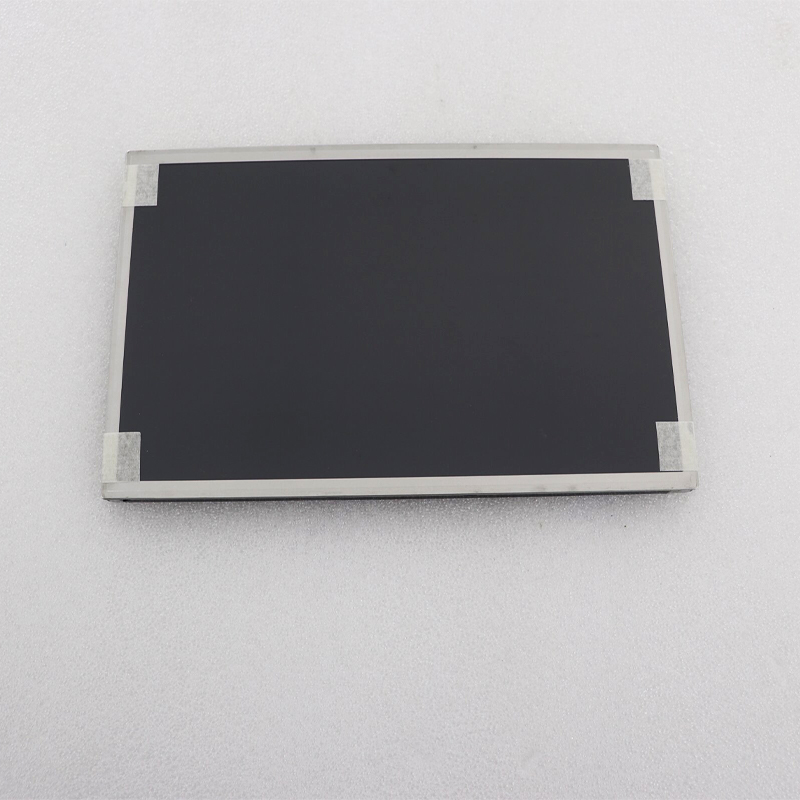
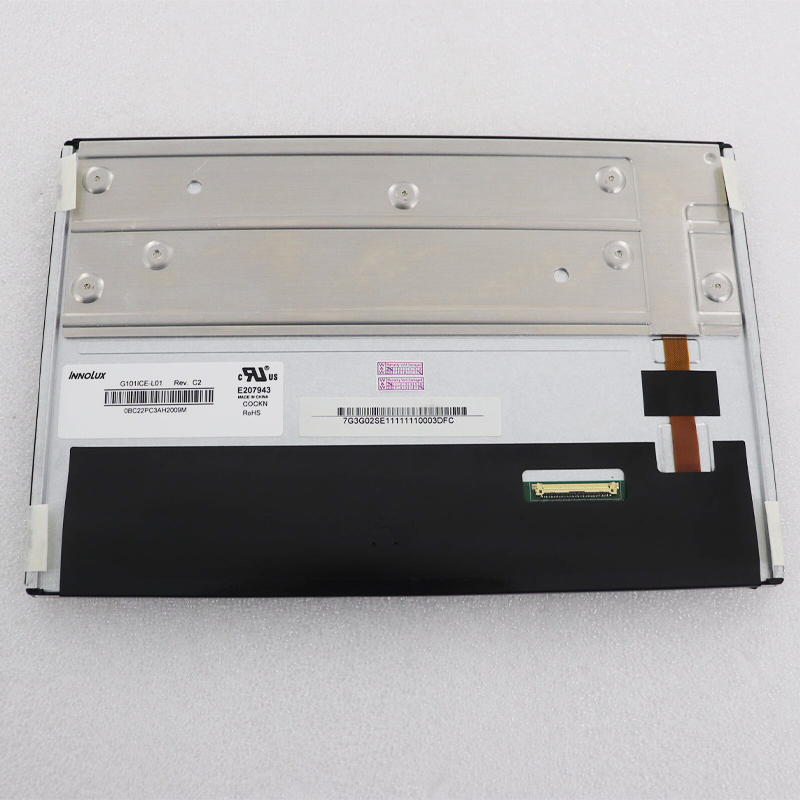
G101ICE-L01 Innolux 10.1 inch 1280*800 lcd display
In the intricate ecosystem of electronic devices, the display panel serves as the fundamental portal between human and machine. For engineers, product designers, and procurement specialists, selecting the right LCD module is a critical decision that balances technical specifications, reliability, and cost. This article provides a comprehensive, in-depth analysis of one such pivotal component: the G101ICE-L01, a 10.1-inch LCD display manufactured by Innolux.
We will move beyond basic datasheet parameters to explore what makes this specific module a contender in various applications. From its core 1280x800 (WXGA) resolution to its optical performance, interface technology, and mechanical robustness, each aspect will be examined for its practical implications. This deep dive aims to equip you with the knowledge to evaluate its suitability for your next project, whether it's a portable medical device, an industrial HMI, a point-of-sale terminal, or a ruggedized tablet, understanding the nuances of this display can be the key to a successful product integration.
Decoding the Core Specifications: WXGA Resolution and 10.1-Inch Form Factor
The G101ICE-L01 is built around a 10.1-inch diagonal active area with a native resolution of 1280 x 800 pixels, commonly termed WXGA. This 16:10 aspect ratio offers a distinct advantage over the more common 16:9 format for vertical applications. It provides additional vertical screen real estate, which is invaluable for displaying lengthy documents, complex software menus, or diagnostic data without excessive scrolling.
The pixel density of approximately 149 PPI (Pixels Per Inch) strikes a deliberate balance. It delivers clear, legible text and adequate detail for most applications without imposing an excessive processing burden on the system's graphics controller. This makes it a cost-effective choice where ultra-high density is not a prerequisite. The physical dimensions and active area are precisely defined, ensuring compatibility with standard bezel designs and facilitating a streamlined integration process into various device chassis.
Optical Performance: Brightness, Contrast, and Viewing Angles
Optical characteristics define the user experience. This Innolux module typically features a brightness level of 300 nits (cd/m²) or higher, making it competent for indoor use and capable of remaining readable in brightly lit office environments. The contrast ratio, crucial for image depth and text clarity, is robust, ensuring that blacks are distinct and not washed out.
A critical strength lies in its wide viewing angle technology, often IPS (In-Plane Switching) or similar. This ensures consistent color and contrast with minimal shift when viewed from the sides, top, or bottom. This is not merely a luxury but a necessity for devices where multiple users may view the screen simultaneously (e.g., collaborative kiosks) or where the device orientation may change frequently. Color gamut coverage, typically around 70% of NTSC, is adequate for standard graphics and user interfaces, prioritizing reliability and longevity over ultra-vivid color reproduction.
Interface and Signal Integration: LVDS as the Reliable Backbone
The G101ICE-L01 commonly utilizes an LVDS (Low-Voltage Differential Signaling) interface. This choice is significant. LVDS is a mature, robust, and noise-resistant technology ideal for transmitting high-speed video data over relatively short distances within a device enclosure. Its differential signaling minimizes electromagnetic interference (EMI), a critical factor in passing stringent EMC certifications for medical or industrial equipment.
The specific pin configuration and power requirements are detailed in the module's datasheet. Understanding the interface is paramount for hardware engineers designing the connecting PCB (printed circuit board) and ensuring signal integrity. This display represents a "dumb panel," requiring an external controller board to generate the proper LVDS signals, which offers flexibility in sourcing controllers tailored to the host system's processor (e.g., ARM, x86).
Mechanical Design and Durability Considerations
Beyond the screen itself, the mechanical construction dictates longevity. The module includes a sturdy metal frame that provides structural rigidity, protects the glass substrate, and offers standardized mounting points. The surface treatment typically involves polarizer and hard coating.
A hard coat, often 3H pencil hardness or better, resists scratches from everyday use. The polarizer reduces ambient light reflection and enhances contrast. For demanding environments, options may include optical bonding, where a resin layer is laminated directly between the LCD glass and the touch panel (if added). This eliminates an air gap, reducing internal reflection, improving sunlight readability, and making the assembly more resistant to condensation and physical shock—a key feature for devices used in factories, warehouses, or outdoors.
Typical Application Scenarios and Market Fit
The technical profile of the G101ICE-L01 positions it perfectly for a range of embedded and professional applications. Its blend of resolution, size, and reliability makes it a frequent choice for:
Industrial Human-Machine Interfaces (HMIs): For control panels on machinery, where clarity and wide viewing angles are essential.
Portable Medical Devices: Such as diagnostic equipment or patient monitors, where accurate color representation and reliability are non-negotiable.
Point-of-Sale (POS) Systems and Kiosks: Where consistent performance under long operating hours is required.
Transportation and Fleet Management: In-vehicle displays for logistics or public transit information systems.
Ruggedized Tablets and Handhelds: For fieldwork in construction, agriculture, or surveying.
Supply Chain and Alternative Sourcing Considerations
Innolux is a major panel manufacturer, ensuring a degree of supply stability. However, for long-lifecycle products, planning is crucial. The G101ICE-L01 may have a defined End-of-Life (EOL) timeline. Proactive engineers often identify pin-to-pin compatible alternatives from other manufacturers like AUO, BOE, or Tianma.
Compatibility extends beyond the physical connector. It involves matching the exact interface type (LVDS), voltage levels, timing parameters, and mechanical footprint. Sourcing from reputable distributors or working directly with display integrators who can provide drop-in replacement options is a vital risk mitigation strategy. This ensures product manufacturability for years, avoiding costly last-minute redesigns.
FAQs: G101ICE-L01 Display Module
Conclusion
The Innolux G101ICE-L01 is far more than a simple collection of glass and electronics; it is a meticulously engineered solution tailored for the demanding world of embedded systems and professional equipment. Its value proposition lies in its balanced combination of adequate resolution, reliable wide-viewing-angle performance, robust LVDS interface, and a form factor suited for vertical information display.
Successful integration requires looking beyond the basic specs to understand its optical behavior, mechanical dependencies, and long-term supply landscape. By doing so, product developers can leverage this display module to create devices that are not only functional but also durable and user-friendly. In a market driven by reliability and total cost of ownership, the G101ICE-L01 stands as a proven and versatile choice for a wide spectrum of industrial and commercial applications.