- Industrial LCD display
-
Industrial Products
- DC Servo Drive
- AC Servo Drive
- other
- Heidelberg
- FANUC
- IFM
- Meter
- CCD
- Membrane Keypad
- Film
- YOKOGAWA Module
- Card
- ABB
- MITSUBISHI
- FANUC
- KEYENCE
- BECKHOFF
- Honeywell
- HOLLYSYS
- FUJI servo drives
- HP
- solenoid valve
- thermostat
- Siemens adapter
- color oscilloscope
- Fujitsu connector
- CHELIC
- SMC
- CISCO Module
- INTEL
- Key board
- FAIRCHILD
- Motherboard
- Board
- Bearing
- other
- Control Panel
- Contactor
- Circuit
- OMRON
- Relay
- Controller
- Photoelectric Switch
- Photoelectric Sensor
- Original
- Fan
- Motor Driver
- Limit Switch
- Amplifier
- power supply
- LENZE
- Cable
- Encoder
- Sensor
- Transformer
- Fiber Optic Sensor
- Protection Relay
- Temperature Controller
- Proximity Switch
- Switch Sensor
- Siemens
- Industrial board
- HMI Touch Glass
-
HMI Full Machine Whole unit
- OMRON HMI Touch Panel
- Siemens HMI Touch Panel
- Mitsubishi HMI Touch Panel
- Allen-Bradley automation HMI Touch Panel
- DELTA HMI Touch Panel
- EVIEW DELTA HMI Touch Panel
- KINCO DELTA HMI Touch Panel
- HITECH HMI Touch Panel
- WEINTECK HMI Touch Panel
- TECVIEW HMI Touch Panel
- WEINVIEW HMI Touch Panel
- PRO-FACE HMI Touch Panel
- SIMATIC HMI Touch Panel
- AMPIRE HMI Touch Panel
- HEIDELBERG HMI Touch Panel
- PANASONIC HMI Touch Panel
- PATLITE HMI Touch Panel
- KYOCERA HMI Touch Panel
- KEYENCE HMI Touch Panel
- WEINVIEW HMI Touch Panel
- HITECH HMI Touch Panel
- FUJI HMI Touch Panel
- HAKKO HMI Touch Panel
- SCHNEIDER HMI Touch Panel
- SAMKOON touch panel
- other
- Module
- lcd inverter
- Membrane Keypad Switch
- Winni Touch Screens
- Frequency Inverter
- Servo Motor
- PLC


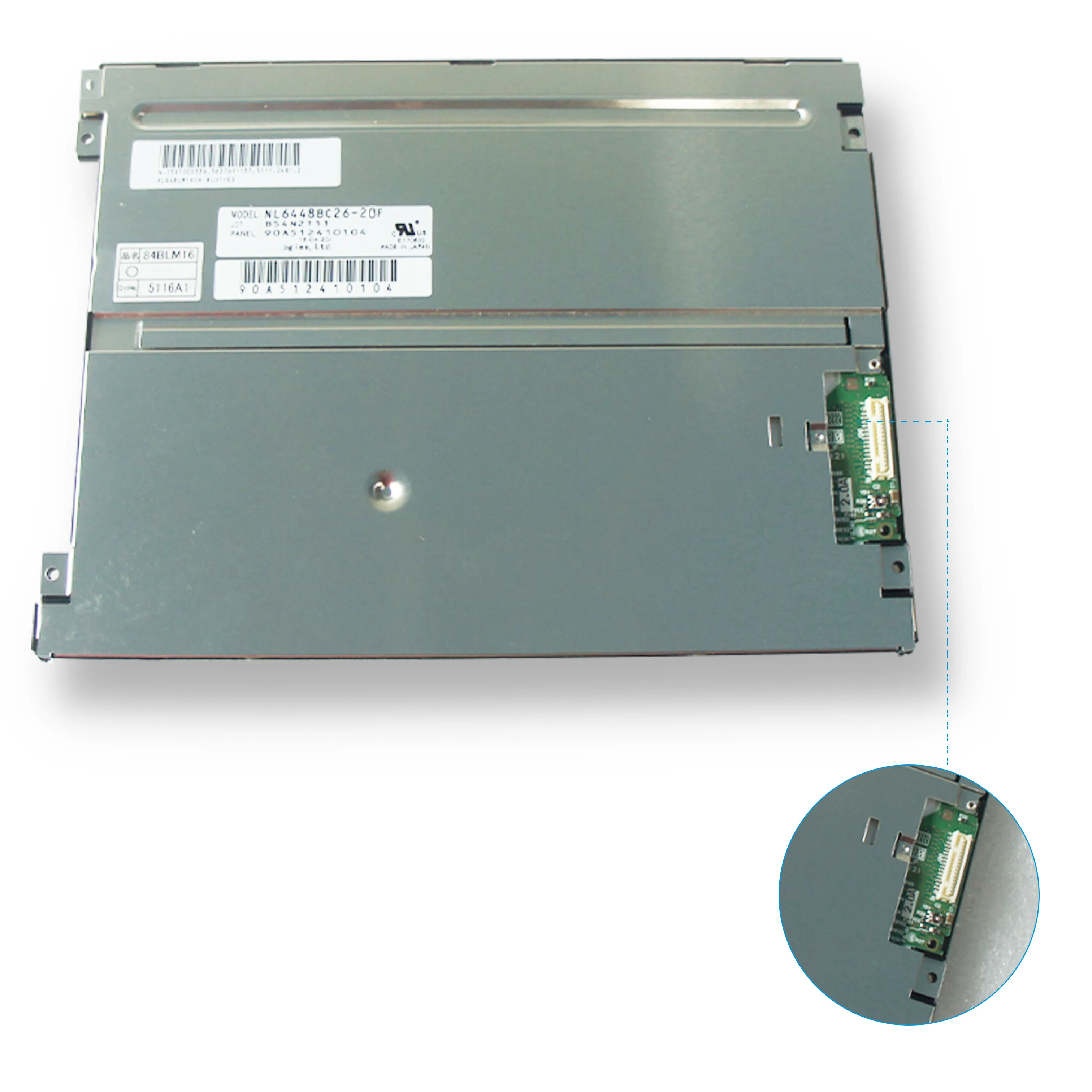


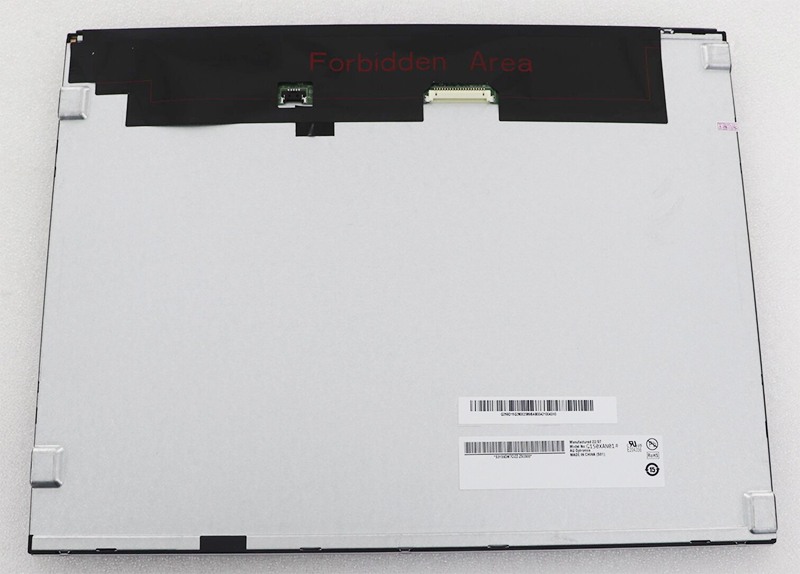
G150XAN01.0 AUO 15 inch TFT-LCD screen 1024*768 Display
In the intricate world of electronic components, certain parts become quietly legendary, powering generations of devices with unwavering reliability. The G150XAN01.0 from AUO (AU Optronics) is one such component. This 15-inch TFT-LCD screen, with its 1024 x 768 (XGA) resolution, represents a pivotal chapter in display technology history. While today's market is dominated by ultra-high-definition panels, this specific model was a workhorse that defined clarity and functionality for over a decade.
This article delves deep into the legacy and technical essence of the AUO G150XAN01.0 display. We will move beyond basic specifications to explore its architectural design, the context of its development, and the unique value proposition it offered. From its underlying panel technology and electrical characteristics to its widespread applications and the reasons behind its enduring relevance in niche markets, we will unpack what made this display a cornerstone in industrial, medical, and professional computing. Understanding this module is not just about studying a screen; it's about appreciating the engineering principles that ensure longevity and stability in demanding environments.
The Architectural Blueprint: Deconstructing the G150XAN01.0
At its core, the G150XAN01.0 is a Twisted Nematic (TN) type TFT-LCD module. This technology was the mainstream for early LCDs, offering fast response times and cost-effectiveness. The 15-inch diagonal active area provides a 4:3 aspect ratio, a standard that perfectly matched the software and user interfaces of its era, from legacy industrial control systems to early medical imaging. The 1024 x 768 XGA resolution delivered a crisp, pixel-dense image suitable for displaying substantial amounts of data, schematics, or text without the need for excessive scaling.
The module integrates a CCFL (Cold Cathode Fluorescent Lamp) backlight system, which was the prevailing illumination technology before the LED revolution. This required an inverter circuit to power the lamps. The interface is primarily LVDS (Low-Voltage Differential Signaling), a robust and noise-resistant digital interface that became the industry standard for connecting displays to controllers. The mechanical design, including its mounting holes and bezel dimensions, adhered to common form factors, ensuring drop-in compatibility for system integrators upgrading from older CRT monitors to modern, space-saving LCDs.
A Product of Its Time: The Historical and Market Context
The G150XAN01.0 emerged during a period of rapid transition from bulky Cathode Ray Tube (CRT) monitors to sleek Flat Panel Displays (FPDs). In the early to mid-2000s, XGA resolution was the sweet spot for business and professional applications, balancing cost with sufficient screen real estate. AUO, as a leading panel manufacturer, developed this model to meet the rigorous demands of the B2B (Business-to-Business) and embedded systems markets, where reliability trumped cutting-edge consumer features.
This panel was not designed for vibrant multimedia consumption but for mission-critical readability and uptime. Its release coincided with the digitization of factories, hospitals, and point-of-sale systems. The stability of the TN panel technology, combined with the mature CCFL backlighting offering consistent brightness over long periods, made it an ideal candidate for 24/7 operation. Its longevity in production and the vast inventory created have cemented its status as a de facto standard for maintenance and replacement cycles in long-lifecycle equipment.
Electrical and Optical Performance Characteristics
Delving into the performance specs reveals why this module was trusted. It typically operates on a 3.3V or 5V power supply for the logic board and a higher voltage for the CCFL inverter. The brightness ranged around 200-250 nits, sufficient for controlled indoor lighting. The contrast ratio, a key metric for readability, was competitive for its time, ensuring clear differentiation between foreground and background elements in applications like ultrasound machines or flight information displays.
Viewing angles, a known limitation of TN technology, were approximately 45/45/15/35 degrees (Left/Right/Up/Down). This was acceptable for many applications where the user faced the screen directly. The color gamut covered a standard range, enough to display diagnostic information or GUI elements accurately without requiring true color fidelity. Crucially, its response time was fast enough to prevent smearing in dynamic industrial visualizations or basic graphical user interfaces, a significant advantage over slower early-generation LCDs.
Primary Applications and Use Case Scenarios
The G150XAN01.0 found its home in environments where failure is not an option. Its ruggedness and reliability made it a top choice for Industrial Human-Machine Interfaces (HMIs), controlling machinery on factory floors. In the medical field, it powered patient monitors, diagnostic equipment like ultrasound and ECG machines, and laboratory analyzers, where consistent display performance is critical for accurate readings.
Beyond these, it was extensively used in point-of-sale (POS) systems, kiosks, and banking ATMs, enduring constant public interaction. Transportation and aviation utilized it for information displays and control panels. It also served as a trusted component in specialized military and aerospace computing. These diverse applications shared common needs: long service life, stable performance under varying temperatures, and easy integration into larger systems—all strengths of this AUO module.
The Modern Replacement Landscape and Compatibility
As CCFL backlights age and panels eventually fail, a massive market for replacement and refurbishment has emerged. The G150XAN01.0 is a prime candidate for direct panel replacement. The key for system maintainers is finding a compatible drop-in unit. Compatibility hinges on several factors: the physical dimensions and mounting hole patterns, the LVDS interface pinout and signal timing, and the power requirements for both the panel and the backlight.
While direct equivalents are available, many modern replacements have transitioned to LED backlighting, offering lower power consumption, thinner profiles, and elimination of the high-voltage inverter. These "LED retrofit" versions must be carefully matched to ensure the existing system's controller board can drive the new backlight circuit. Understanding the connector type (e.g., 20-pin, 30-pin) and the detailed voltage/current specifications is paramount to a successful upgrade that extends the life of costly capital equipment.

Enduring Legacy and Lessons for Engineers
The lasting relevance of the G150XAN01.0 offers valuable lessons. It exemplifies the principle of "fit for purpose" over chasing specifications. Its design prioritized reliability, interoperability, and a long lifecycle over peak brightness or color saturation. This philosophy is crucial in embedded and industrial design, where product lifetimes can span 10-20 years, far exceeding the rapid refresh cycles of consumer electronics.
For engineers and procurement specialists, this module underscores the importance of sustainable design and component sourcing. Choosing widely adopted, standardized components can safeguard against obsolescence. The ecosystem of compatible parts, detailed datasheets, and community knowledge around workhorse components like this AUO screen reduces long-term risk. It teaches that true quality in professional components is measured not by the latest features, but by predictable performance over an extended duration under real-world stress.
Frequently Asked Questions (FAQs)
Q10: Is it suitable for modern consumer gaming or multimedia?A10: No. Its specs (viewing angles, color gamut, refresh rate) are not suited for modern consumer multimedia use. It's designed for professional/industrial applications.
Conclusion
The AUO G150XAN01.0 15-inch XGA display is far more than a collection of technical specifications. It is a testament to an era of engineering that valued robustness, standardization, and longevity. In a world of disposable tech, this module's enduring presence in critical systems highlights the importance of reliable components in sustaining vital infrastructure across industries.
For system integrators, maintenance technicians, and procurement professionals, understanding this display's architecture, context, and compatibility landscape is crucial for making informed decisions that ensure operational continuity. Its legacy teaches us that the most impactful technology is not always the newest, but the most dependable. As we continue to advance, the principles embodied by the G150XAN01.0—purpose-driven design and lifecycle planning—remain essential guides for developing the professional-grade tools of tomorrow.