- Industrial LCD display
-
Industrial Products
- DC Servo Drive
- AC Servo Drive
- other
- Heidelberg
- FANUC
- IFM
- Meter
- CCD
- Membrane Keypad
- Film
- YOKOGAWA Module
- Card
- ABB
- MITSUBISHI
- FANUC
- KEYENCE
- BECKHOFF
- Honeywell
- HOLLYSYS
- FUJI servo drives
- HP
- solenoid valve
- thermostat
- Siemens adapter
- color oscilloscope
- Fujitsu connector
- CHELIC
- SMC
- CISCO Module
- INTEL
- Key board
- FAIRCHILD
- Motherboard
- Board
- Bearing
- other
- Control Panel
- Contactor
- Circuit
- OMRON
- Relay
- Controller
- Photoelectric Switch
- Photoelectric Sensor
- Original
- Fan
- Motor Driver
- Limit Switch
- Amplifier
- power supply
- LENZE
- Cable
- Encoder
- Sensor
- Transformer
- Fiber Optic Sensor
- Protection Relay
- Temperature Controller
- Proximity Switch
- Switch Sensor
- Siemens
- Industrial board
- HMI Touch Glass
-
HMI Full Machine Whole unit
- OMRON HMI Touch Panel
- Siemens HMI Touch Panel
- Mitsubishi HMI Touch Panel
- Allen-Bradley automation HMI Touch Panel
- DELTA HMI Touch Panel
- EVIEW DELTA HMI Touch Panel
- KINCO DELTA HMI Touch Panel
- HITECH HMI Touch Panel
- WEINTECK HMI Touch Panel
- TECVIEW HMI Touch Panel
- WEINVIEW HMI Touch Panel
- PRO-FACE HMI Touch Panel
- SIMATIC HMI Touch Panel
- AMPIRE HMI Touch Panel
- HEIDELBERG HMI Touch Panel
- PANASONIC HMI Touch Panel
- PATLITE HMI Touch Panel
- KYOCERA HMI Touch Panel
- KEYENCE HMI Touch Panel
- WEINVIEW HMI Touch Panel
- HITECH HMI Touch Panel
- FUJI HMI Touch Panel
- HAKKO HMI Touch Panel
- SCHNEIDER HMI Touch Panel
- SAMKOON touch panel
- other
- Module
- lcd inverter
- Membrane Keypad Switch
- Winni Touch Screens
- Frequency Inverter
- Servo Motor
- PLC


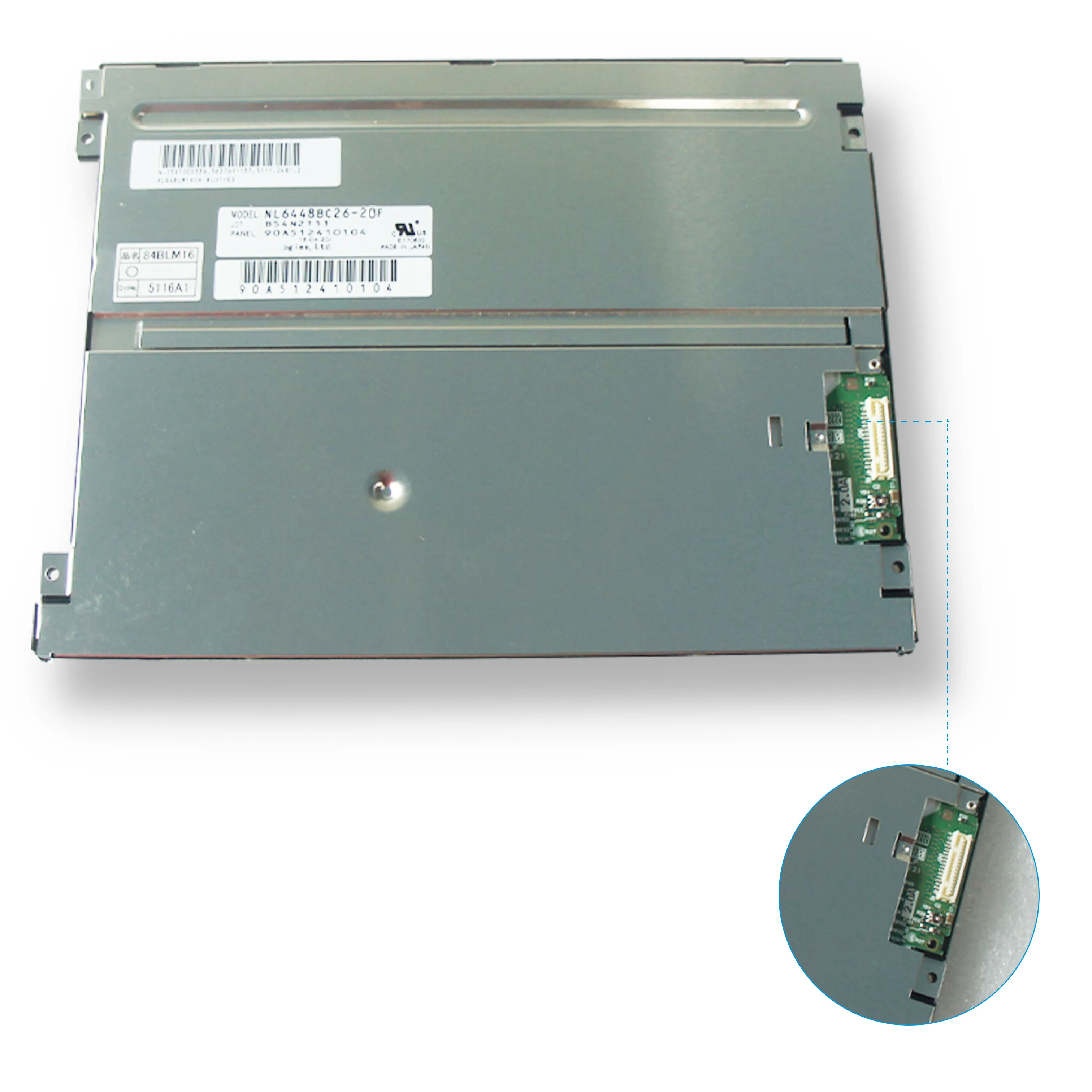

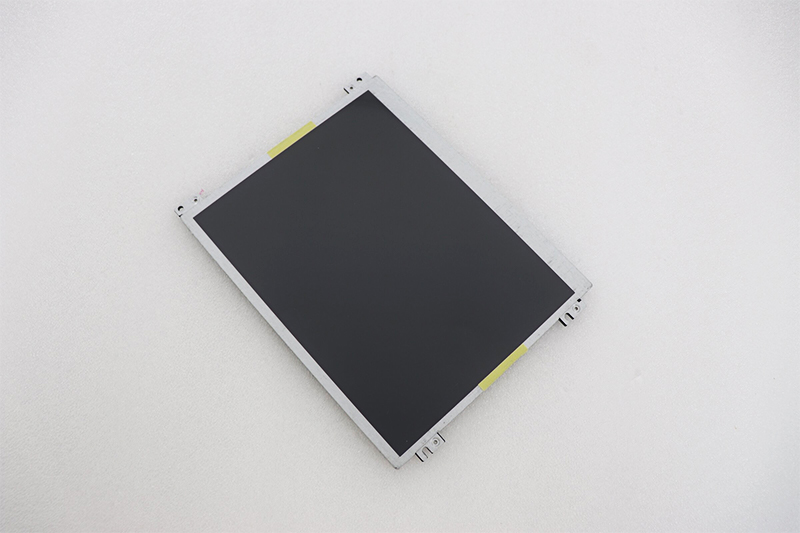
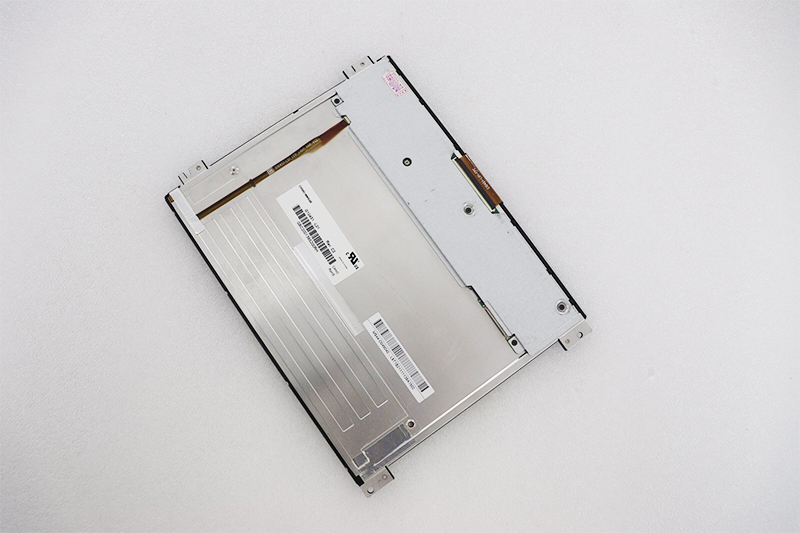
10.4 inch Transmissive Embedded LED Driver Lcd Module Panel G104S1-L01
In the intricate ecosystem of modern display technology, the performance and integration of a screen are fundamentally dictated by its core components. Among these, the LCD module panel stands as a critical determinant of visual quality, power efficiency, and system reliability. This article delves into a detailed examination of a specific, high-performance component: the 10.4-inch Transmissive Embedded LED Driver LCD Module Panel, model G104S1-L01. This module represents a sophisticated convergence of display and driver electronics, designed for demanding embedded applications.
We will explore its defining architectural features, from its transmissive optical design and integrated LED backlight driver to its precise interface specifications. Beyond mere specifications, the analysis will cover its optimal operational parameters, the tangible benefits it offers to engineers and product designers, and its practical application scenarios across diverse industries. Finally, we will consider the key selection criteria and integration best practices to ensure successful deployment. This comprehensive guide aims to provide technical professionals and procurement specialists with the deep, actionable insights needed to evaluate and leverage this advanced display solution effectively.
Architectural Overview of the G104S1-L01 Module
The G104S1-L01 is not merely a display panel; it is a fully integrated system-on-glass solution. Its defining characteristic is the embedded LED driver circuitry, which is directly mounted on the panel's glass or connected PCB. This eliminates the need for a separate, external driver board, significantly simplifying system design and reducing the overall footprint. The module utilizes a transmissive LCD technology, meaning it requires a constant backlight to generate an image. This is provided by an array of white LEDs positioned at the edges or rear of the panel, whose power and dimming are controlled by the embedded driver.
This integration offers profound advantages. It reduces electromagnetic interference (EMI) by shortening signal paths, enhances reliability by minimizing interconnect points, and streamlines the supply chain. The 10.4-inch diagonal, with a standard resolution of 800 x 600 (SVGA), offers a balanced blend of viewable area and pixel density suitable for industrial human-machine interfaces (HMIs), medical devices, and point-of-sale terminals. The architecture is purpose-built for embedded systems where space, reliability, and power efficiency are non-negotiable constraints.
Decoding Key Technical Specifications
Understanding the module's datasheet is crucial for successful integration. Key specifications include its optical performance: brightness (typically measured in nits), contrast ratio, and color gamut. The G104S1-L01 is engineered for high brightness to ensure readability in various lighting conditions. The interface is typically Low-Voltage Differential Signaling (LVDS), a common standard for transmitting high-speed video data with low noise and power consumption. The pin configuration and power requirements must be meticulously matched to the host controller.
Other vital parameters include the operating temperature range, which defines its suitability for harsh environments, and the mechanical outline dimensions, including active area, overall module size, and bezel width. The backlight lifetime, often rated to half-brightness (e.g., 50,000 hours), is a critical reliability metric. Furthermore, details on surface treatment (anti-glare, hard coating) and touch screen compatibility (resistive or capacitive) are essential for defining the end-user experience and product durability.
Operational Parameters and Environmental Robustness
The true test of an industrial-grade component lies in its performance under stress. The G104S1-L01 is designed to operate reliably within specified temperature and humidity ranges. Exceeding these limits can lead to liquid crystal response lag, reduced backlight efficiency, or permanent damage. The embedded LED driver must be designed to manage thermal load effectively, as heat is the primary enemy of LED longevity and color consistency.
Power sequencing is another critical operational consideration. The module requires specific voltage rails (e.g., for logic, LCD bias, and LED backlight) to be applied in a correct order and with stable regulation to prevent latch-up or image abnormalities. The embedded driver simplifies this by consolidating power management but still requires careful design of the host's power supply system. Understanding these parameters ensures the module delivers consistent performance from a laboratory bench to a factory floor or a vehicle dashboard.
Strategic Advantages for System Designers
Choosing the G104S1-L01 confers several strategic benefits. The most prominent is design simplification. By integrating the driver, engineers save valuable development time on circuit design, layout, and driver IC procurement, accelerating time-to-market. This leads directly to a reduction in Bill of Materials (BOM) cost and component count, enhancing overall system reliability (measured by Mean Time Between Failures).
The compact form factor enables sleeker, more compact end products. From a performance standpoint, the shortened signal paths between the driver and the LCD glass minimize noise, potentially improving image clarity and stability. For procurement and manufacturing, a single, validated module simplifies sourcing, quality assurance, and assembly processes, reducing logistical complexity. These advantages make it a cost-effective and high-performance choice for medium-to-high volume embedded projects.
Primary Application Industries and Use Cases
The robustness and integrated nature of the G104S1-L01 make it ideal for sectors where displays are mission-critical. In industrial automation, it serves as the core of HMIs for PLCs, CNC machines, and robotic control stations, where it must withstand electrical noise, vibration, and extended operation. The medical device industry utilizes it in patient monitors, diagnostic equipment, and surgical displays, benefiting from its reliability and stable performance.
In transportation, it finds use in automotive dashboards, railway control systems, and marine navigation equipment, facing challenges from temperature extremes and shock. Point-of-Sale (POS) systems and kiosks leverage its durability for public, 24/7 use. Additionally, it is suited for specialized test and measurement equipment and smart home control panels. In each case, the module provides a dependable visual interface that integrates seamlessly into a larger electronic system.
Integration Guidelines and Selection Criteria
Successful integration begins with matching the module to the project's core requirements. Key selection criteria include: optical performance (is the brightness sufficient for the environment?), interface compatibility (does your host processor support LVDS?), mechanical fit (does it match the product enclosure?), and environmental rating (can it survive the intended operating conditions?).
During integration, pay meticulous attention to the manufacturer's interface manual for connection schematics, power sequencing requirements, and initialization sequences. Ensure the host power supply can deliver clean, stable power at the required current levels, especially for the LED backlight. Mechanical mounting should avoid stress on the glass and use appropriate spacers. For long-term reliability, consider implementing a backlight dimming strategy (e.g., via PWM control) to reduce thermal stress and extend LED life, a feature supported by the embedded driver.
FAQs: 10.4-inch Transmissive Embedded LED Driver LCD Module G104S1-L01
Conclusion
The 10.4-inch Transmissive Embedded LED Driver LCD Module Panel G104S1-L01 exemplifies the evolution of display technology towards higher integration and application-specific robustness. It moves beyond being a simple output device to become a sophisticated subsystem that addresses core engineering challenges: space constraints, reliability demands, and design complexity. Its value proposition is clear in its streamlined architecture, which reduces external component count and accelerates development cycles for embedded systems across industrial, medical, and commercial fields.
For technical decision-makers, a thorough understanding of its specifications, operational boundaries, and integration nuances is paramount. By carefully evaluating its optical performance, interface requirements, and environmental ratings against project goals, engineers can harness its full potential to create durable, high-performance, and competitively advantaged products. In a market where display performance is often the user's primary point of contact, selecting a well-integrated module like the G104S1-L01 is a strategic step toward product excellence.