- Industrial LCD display
-
Industrial Products
- DC Servo Drive
- AC Servo Drive
- other
- Heidelberg
- FANUC
- IFM
- Meter
- CCD
- Membrane Keypad
- Film
- YOKOGAWA Module
- Card
- ABB
- MITSUBISHI
- FANUC
- KEYENCE
- BECKHOFF
- Honeywell
- HOLLYSYS
- FUJI servo drives
- HP
- solenoid valve
- thermostat
- Siemens adapter
- color oscilloscope
- Fujitsu connector
- CHELIC
- SMC
- CISCO Module
- INTEL
- Key board
- FAIRCHILD
- Motherboard
- Board
- Bearing
- other
- Control Panel
- Contactor
- Circuit
- OMRON
- Relay
- Controller
- Photoelectric Switch
- Photoelectric Sensor
- Original
- Fan
- Motor Driver
- Limit Switch
- Amplifier
- power supply
- LENZE
- Cable
- Encoder
- Sensor
- Transformer
- Fiber Optic Sensor
- Protection Relay
- Temperature Controller
- Proximity Switch
- Switch Sensor
- Siemens
- Industrial board
- HMI Touch Glass
-
HMI Full Machine Whole unit
- OMRON HMI Touch Panel
- Siemens HMI Touch Panel
- Mitsubishi HMI Touch Panel
- Allen-Bradley automation HMI Touch Panel
- DELTA HMI Touch Panel
- EVIEW DELTA HMI Touch Panel
- KINCO DELTA HMI Touch Panel
- HITECH HMI Touch Panel
- WEINTECK HMI Touch Panel
- TECVIEW HMI Touch Panel
- WEINVIEW HMI Touch Panel
- PRO-FACE HMI Touch Panel
- SIMATIC HMI Touch Panel
- AMPIRE HMI Touch Panel
- HEIDELBERG HMI Touch Panel
- PANASONIC HMI Touch Panel
- PATLITE HMI Touch Panel
- KYOCERA HMI Touch Panel
- KEYENCE HMI Touch Panel
- WEINVIEW HMI Touch Panel
- HITECH HMI Touch Panel
- FUJI HMI Touch Panel
- HAKKO HMI Touch Panel
- SCHNEIDER HMI Touch Panel
- SAMKOON touch panel
- other
- Module
- lcd inverter
- Membrane Keypad Switch
- Winni Touch Screens
- Frequency Inverter
- Servo Motor
- PLC



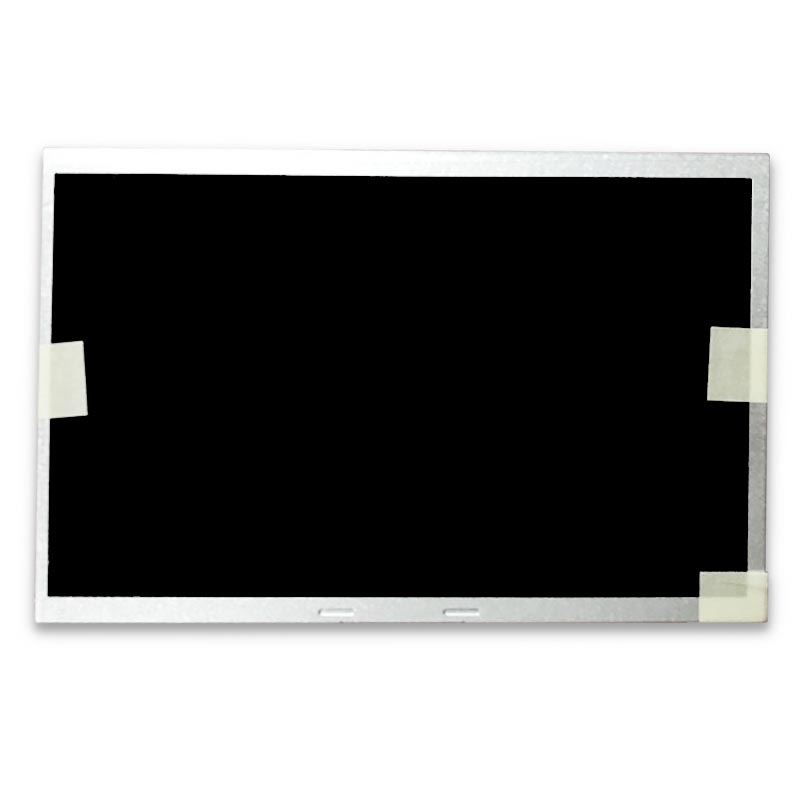
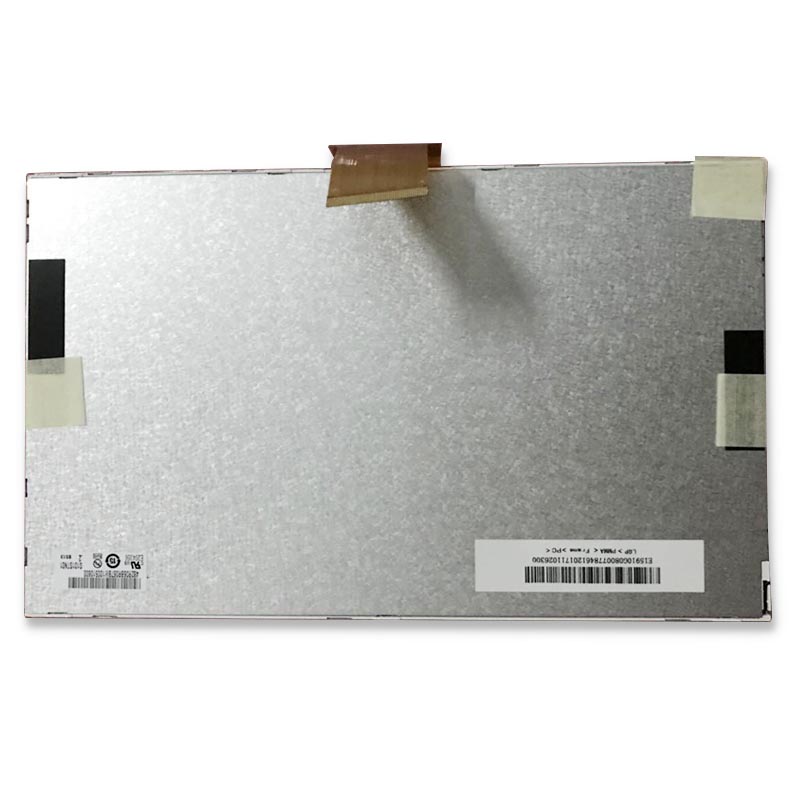
G101STN01.2 AUO 10.1inch 1024*600 LCD Panel
In the intricate world of electronic displays, the choice of a panel is a foundational decision that ripples through the entire user experience of a device. Among the myriad of options, the G101STN01.2 from AUO (AU Optronics) stands out as a specific and compelling solution for a range of compact, portable applications. This 10.1-inch LCD module is not merely a generic screen; it is a carefully engineered component with precise specifications tailored for performance and efficiency.
This article delves into a comprehensive analysis of the AUO G101STN01.2 panel. We will move beyond basic datasheet parameters to explore its underlying technology, dissect its performance characteristics, and examine its ideal application environments. Our goal is to provide designers, engineers, and procurement specialists with a deep, practical understanding of where this panel excels, its inherent trade-offs, and how it compares within the broader landscape of display solutions, ultimately guiding informed decision-making for product integration.
Decoding the G101STN01.2: Core Specifications and Technology
The G101STN01.2 is a 10.1-inch diagonal LCD panel with a native resolution of 1024 (RGB) x 600 pixels, commonly referred to as WSVGA. This aspect ratio and resolution are historically significant, offering a balance between information density and cost-effectiveness for many embedded systems. The "STN" in its nomenclature is a critical clue: it signifies Super-Twisted Nematic technology, a variant of traditional passive-matrix LCDs.
Unlike the more common TFT (Thin-Film Transistor) active-matrix panels, STN technology does not have a dedicated transistor for each pixel. This results in a simpler, potentially more cost-effective and robust physical structure. The "Super" prefix indicates an improved twist angle of the liquid crystals, which provides better contrast and viewing angle than earlier Twisted Nematic (TN) designs. The panel typically employs an LED backlighting system, ensuring uniform brightness and lower power consumption compared to older CCFL backlights. Understanding this technological foundation is key to appreciating its performance profile.
Performance Analysis: Brightness, Contrast, and Color Gamut
Evaluating the G101STN01.2 requires a realistic look at its performance metrics within the context of STN technology. Its brightness, typically ranging around 250 to 300 nits, is sufficient for indoor and controlled lighting environments but may be challenged in direct sunlight. The contrast ratio, while improved over basic TN, is generally lower than that of modern IPS or VA panels, affecting the depth of blacks and overall image pop.
The color performance is a defining characteristic. Most STN panels, including this one, display a lower color gamut, often covering around 50-60% of the NTSC standard. This means colors will appear less saturated and vibrant compared to high-gamut TFT displays. The color depth is typically 6-bit + FRC (Frame Rate Control), simulating 16.2 million colors. For applications where precise color reproduction is not critical—such as industrial HMIs, point-of-sale systems, or diagnostic readouts—this performance is perfectly adequate and contributes to the panel's cost structure.
Viewing Angles and Response Time: Operational Considerations
Viewing angles and response time are crucial for interactive or dynamic content. The G101STN01.2 offers viewing angles in the range of 50/60/50/60 degrees (Left/Right/Up/Down, typical). This is a notable improvement over very old TN panels but remains a limitation compared to wide-viewing technologies like IPS. The optimal image is seen from a relatively direct, front-on perspective, which is a key factor in mechanical design for end products.
Response time, the speed at which a pixel can change state, is another differentiator. STN panels typically have slower response times (in the tens of milliseconds) than fast TFT panels. This makes them less suitable for fast-motion video or high-speed gaming but entirely capable for displaying user interfaces, text data, and slower graphical changes. This characteristic must be matched to the application's demands to avoid noticeable motion blur or ghosting artifacts.
Interface and Power Efficiency: The Integration Perspective
From an integration standpoint, the G101STN01.2 commonly features an LVDS (Low-Voltage Differential Signaling) interface. LVDS is a robust, noise-resistant standard ideal for transmitting high-speed data over longer distances within a device, making it a reliable choice for industrial and automotive applications. The power consumption profile is a significant strength. With its STN structure and LED backlight, the panel operates at a lower typical power draw than comparable-sized high-performance TFTs.
This inherent power efficiency translates directly into benefits for the end product: longer battery life for portable devices, reduced thermal load simplifying enclosure design, and lower overall system energy costs. Engineers valuing longevity and thermal management will find this aspect particularly attractive, often justifying the trade-offs in visual performance for the sake of system reliability and endurance.
Ideal Application Ecosystems and Use Cases
The technical profile of the G101STN01.2 naturally directs it toward specific market segments. Its blend of reliability, cost-effectiveness, and adequate performance makes it a workhorse in embedded systems. Prime applications include:
Industrial Human-Machine Interfaces (HMIs): For factory machine control, where readability under indoor lighting and long-term stability are paramount.
Point-of-Sale (POS) Terminals and Kiosks: Where the display presents static menus, transaction data, and interfaces that do not require cinematic quality.
Transportation and Fleet Management Displays: In-car systems for logistics, taxi meters, or rear-seat entertainment where cost and durability are key.
Medical and Diagnostic Equipment: For non-imaging devices like patient monitors or control panels, where color accuracy is secondary to legibility and reliability.
In these environments, the panel's limitations become non-issues, while its advantages in cost, power, and robustness come to the fore.
Comparative Landscape: STN vs. TFT and Modern Alternatives
To fully contextualize the G101STN01.2, a brief comparison with mainstream alternatives is essential. Against modern TFT (IPS/VA) panels, STN lags in viewing angles, color vibrancy, contrast, and response time. However, it can offer advantages in potential cost (for certain volumes and supply chains), power consumption, and a simpler, potentially more rugged internal structure less prone to single-pixel failures.
The true competitor for this panel is often other STN or older-generation TFT modules in the same size and resolution class. The choice then hinges on specific brightness requirements, exact viewing angle needs, interface compatibility, and supply chain availability. For new designs, engineers must also consider the growing availability of cost-optimized TFT modules that may narrow the traditional performance gap, making the decision a careful balance of specification, total cost of ownership, and intended operational lifespan.
FAQs: AUO G101STN01.2 LCD Panel
Q10: Can it replace a standard TFT panel?A10: It can, but only if the application's requirements for color, viewing angle, and response time align with the STN's performance profile. A direct swap may result in noticeable visual differences.
Conclusion
The AUO G101STN01.2 10.1-inch LCD panel represents a specific and valuable solution within the display ecosystem. It is not a cutting-edge panel for multimedia consumption but a reliable, efficient, and cost-optimized component engineered for clarity and durability in demanding, focused applications. Its STN technology dictates a performance envelope characterized by adequate indoor brightness, moderate viewing angles, and a limited color palette, all while offering benefits in power efficiency and potential robustness.
Successfully leveraging this panel hinges on application alignment. For designers of industrial controls, commercial systems, or portable diagnostic tools where visual spectacle is secondary to functional longevity and system efficiency, the G101STN01.2 remains a compelling choice. Ultimately, understanding its true capabilities and ideal use cases allows engineers to make informed decisions, ensuring the display technology serves as a seamless and reliable window to the device's functionality.