- Industrial LCD display
-
Industrial Products
- DC Servo Drive
- AC Servo Drive
- other
- Heidelberg
- FANUC
- IFM
- Meter
- CCD
- Membrane Keypad
- Film
- YOKOGAWA Module
- Card
- ABB
- MITSUBISHI
- FANUC
- KEYENCE
- BECKHOFF
- Honeywell
- HOLLYSYS
- FUJI servo drives
- HP
- solenoid valve
- thermostat
- Siemens adapter
- color oscilloscope
- Fujitsu connector
- CHELIC
- SMC
- CISCO Module
- INTEL
- Key board
- FAIRCHILD
- Motherboard
- Board
- Bearing
- other
- Control Panel
- Contactor
- Circuit
- OMRON
- Relay
- Controller
- Photoelectric Switch
- Photoelectric Sensor
- Original
- Fan
- Motor Driver
- Limit Switch
- Amplifier
- power supply
- LENZE
- Cable
- Encoder
- Sensor
- Transformer
- Fiber Optic Sensor
- Protection Relay
- Temperature Controller
- Proximity Switch
- Switch Sensor
- Siemens
- Industrial board
- HMI Touch Glass
-
HMI Full Machine Whole unit
- OMRON HMI Touch Panel
- Siemens HMI Touch Panel
- Mitsubishi HMI Touch Panel
- Allen-Bradley automation HMI Touch Panel
- DELTA HMI Touch Panel
- EVIEW DELTA HMI Touch Panel
- KINCO DELTA HMI Touch Panel
- HITECH HMI Touch Panel
- WEINTECK HMI Touch Panel
- TECVIEW HMI Touch Panel
- WEINVIEW HMI Touch Panel
- PRO-FACE HMI Touch Panel
- SIMATIC HMI Touch Panel
- AMPIRE HMI Touch Panel
- HEIDELBERG HMI Touch Panel
- PANASONIC HMI Touch Panel
- PATLITE HMI Touch Panel
- KYOCERA HMI Touch Panel
- KEYENCE HMI Touch Panel
- WEINVIEW HMI Touch Panel
- HITECH HMI Touch Panel
- FUJI HMI Touch Panel
- HAKKO HMI Touch Panel
- SCHNEIDER HMI Touch Panel
- SAMKOON touch panel
- other
- Module
- lcd inverter
- Membrane Keypad Switch
- Winni Touch Screens
- Frequency Inverter
- Servo Motor
- PLC


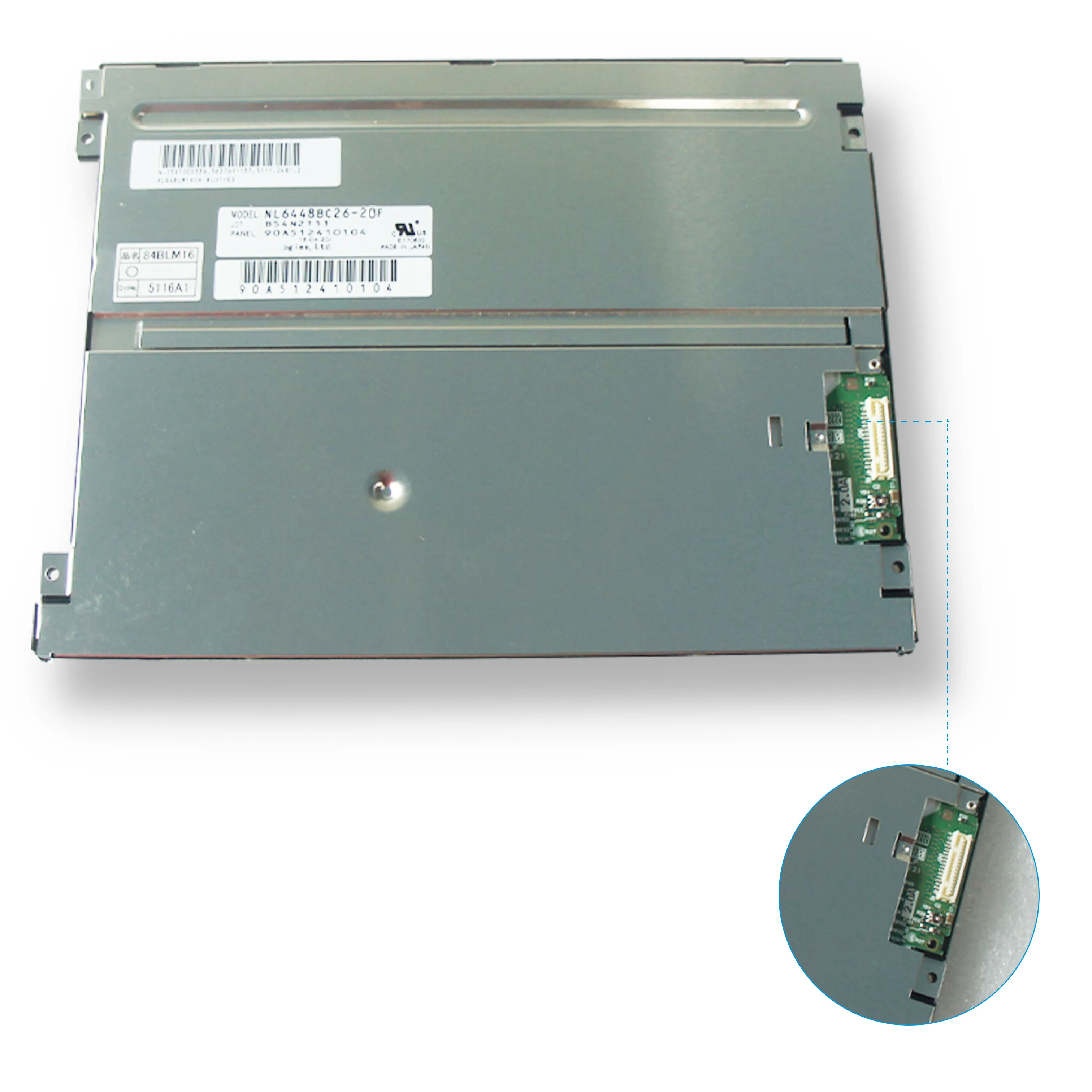

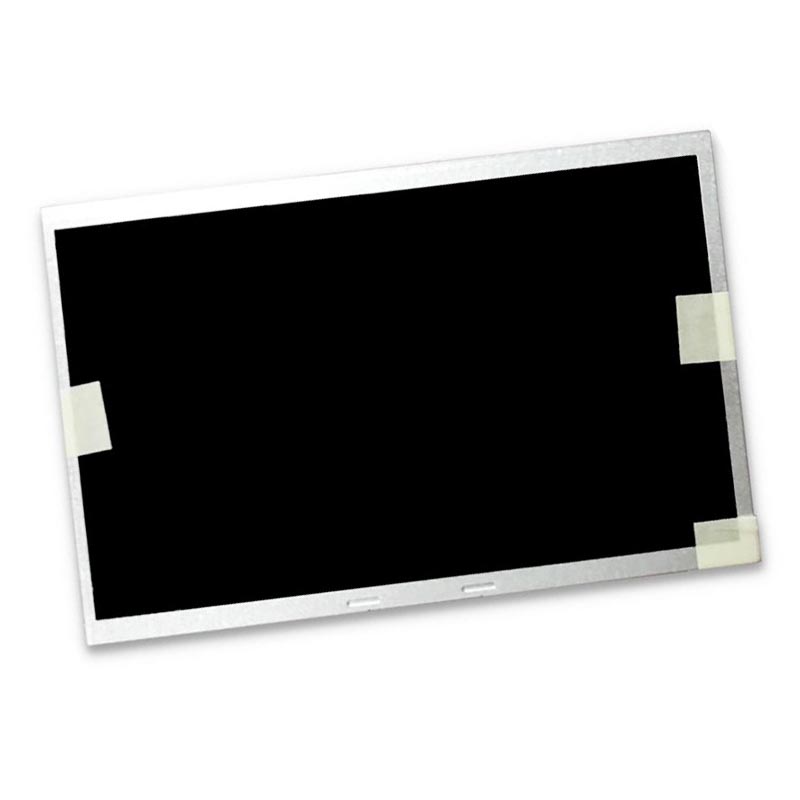
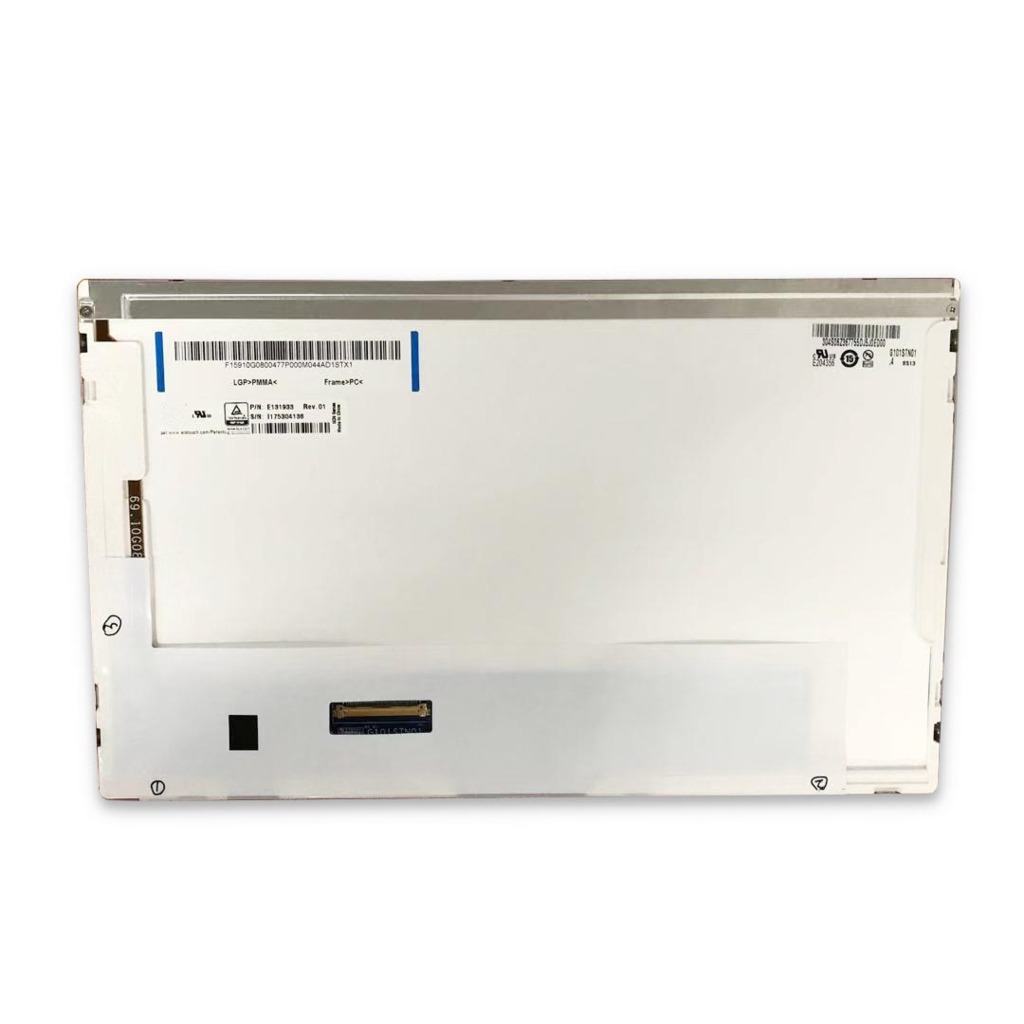
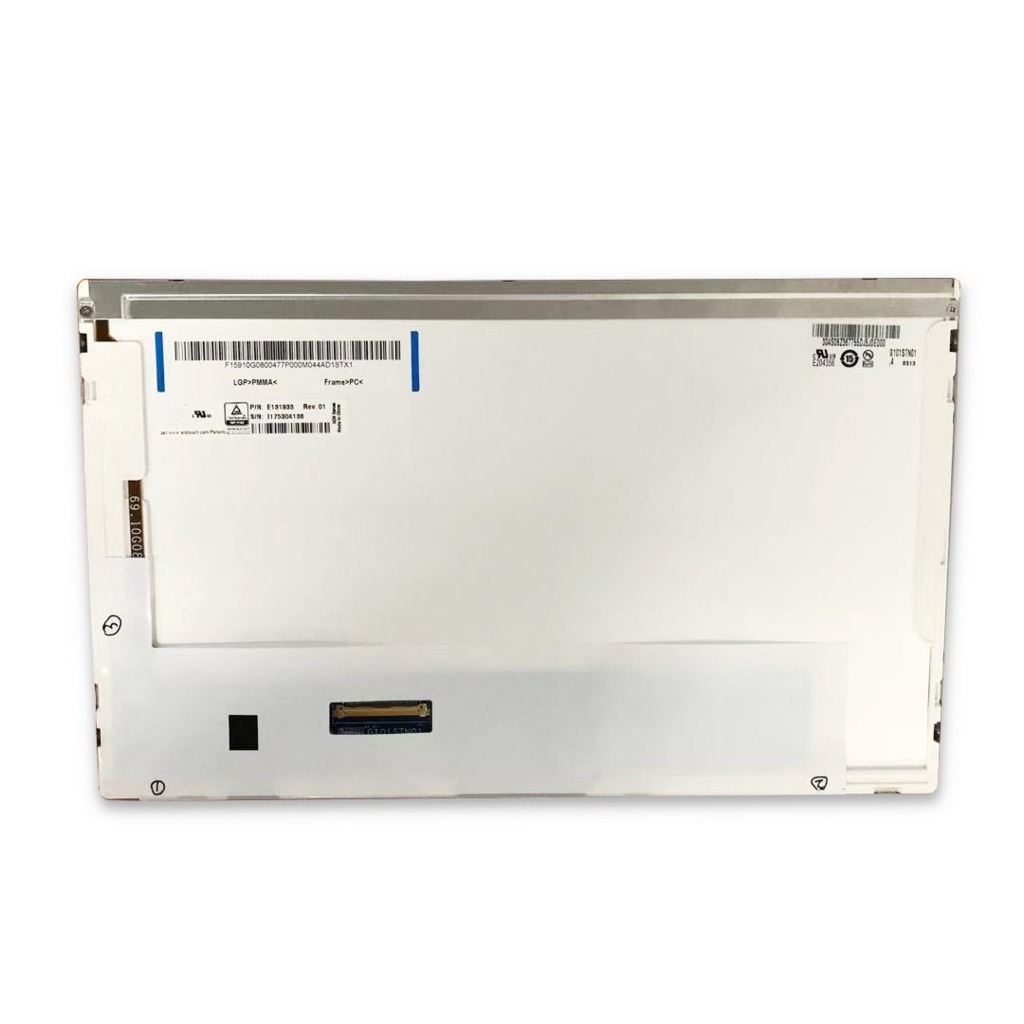
G101STN01.4 New and Original AUO 10.1inch lcd display
In the intricate world of electronic components, the display often serves as the critical interface between user and machine. For engineers, product designers, and procurement specialists, selecting the right LCD module is a decision that impacts performance, reliability, and ultimately, the success of the end product. This article delves into a specific and noteworthy component: the G101STN01.4 New and Original 10.1-inch LCD display from AU Optronics (AUO).
Beyond a simple part number, the G101STN01.4 represents a carefully engineered solution for a range of industrial, commercial, and embedded applications. We will explore its technical DNA, from its fundamental STN panel technology to its precise electrical and mechanical characteristics. The analysis will extend to its ideal application ecosystems, the tangible benefits it offers over alternatives, and the crucial considerations for seamless integration. Furthermore, we will address the paramount importance of sourcing genuine AUO original displays and provide a clear comparative perspective to guide your selection process. This deep dive aims to equip you with the knowledge to evaluate whether this display is the optimal visual engine for your next innovation.
Decoding the G101STN01.4: Core Technology and Specifications
The G101STN01.4 is a 10.1-inch diagonal liquid crystal display module utilizing Super-Twisted Nematic (STN) technology. Unlike the more common TFT (Thin-Film Transistor) panels known for high color depth and fast response, STN technology offers distinct advantages in specific contexts. This module features a resolution of 1024 x 600 pixels (WSVGA), providing a balanced blend of clarity and lower power consumption. The display employs an RGB vertical stripe arrangement and integrates a CCFL (Cold Cathode Fluorescent Lamp) backlight system, known for its uniform brightness and wide operating temperature range.
Key electrical specifications include a typical brightness of 300 nits, a contrast ratio suitable for indoor and many industrial environments, and a wide viewing angle characteristic of STN panels. The interface is typically LVDS (Low-Voltage Differential Signaling), ensuring robust signal integrity over longer cable runs within devices. Mechanically, it is designed as a robust module, ready for integration into system assemblies where reliability under consistent operational stress is non-negotiable.
The Strategic Niche: Ideal Applications and Use Cases
The technical profile of the G101STN01.4 directs it towards applications where reliability, longevity, and readability under various conditions take precedence over ultra-high-color multimedia performance. Its primary domain is the industrial and human-machine interface (HMI) sector. Here, it excels as the display for factory automation control panels, PLC operator interfaces, test and measurement equipment, and medical diagnostic devices where consistent performance is critical.
Beyond heavy industry, this module finds a strong fit in point-of-sale (POS) systems, kiosks, and informational displays. These applications benefit from its durability, stable performance over long operational hours, and clear readability for transactional or informational purposes. Additionally, it serves specialized roles in transportation (e.g., auxiliary vehicle displays) and legacy equipment upgrades, where its specific form factor and interface compatibility make it a perfect drop-in replacement, extending the lifecycle of valuable capital equipment.
Advantages Over Alternative Display Technologies
Choosing the G101STN01.4 is a strategic decision based on its inherent strengths compared to mainstream TFT or newer IPS panels. Its most significant advantage lies in its robustness and stability. STN panels are generally less complex in construction, which can translate to higher reliability and better performance consistency across extreme temperature ranges, a common requirement in industrial settings.
Secondly, for applications displaying primarily static graphics, text, or simple user interfaces, the STN technology offers excellent readability and lower power consumption without the need for high refresh rates. Furthermore, for projects involving the maintenance or upgrade of existing systems, the G101STN01.4 provides a direct, form-fit-function compatible solution, avoiding costly and time-consuming system redesigns. It represents a cost-effective, reliable, and purpose-built choice where cutting-edge color performance is not the primary KPI.
Critical Integration Considerations for Design Engineers
Successful implementation of the G101STN01.4 requires careful attention to several integration parameters. Power supply design is crucial, as the module requires stable voltage inputs for both the logic driver and the CCFL backlight inverter. Engineers must account for inrush current and ensure electromagnetic compatibility (EMC). The LVDS interface necessitates proper impedance matching on the PCB traces to prevent signal degradation and ensure a noise-free image.
Mechanically, designers must adhere to the recommended mounting points and bezel dimensions outlined in the datasheet, ensuring no undue stress is placed on the glass. Thermal management is also vital; although robust, the display and its backlight generate heat that must be dissipated to ensure longevity, especially in sealed enclosures. Finally, firmware developers must ensure the timing controller (T-CON) signals align perfectly with the module's native resolution and refresh rate to avoid display artifacts.
The Imperative of Sourcing New and Original AUO Displays
The designation "New and Original" in the component's description is not merely a label but a critical determinant of project success and risk mitigation. Original AUO displays guarantee adherence to the published specifications for brightness, contrast, color uniformity, and lifespan. They undergo rigorous quality control, ensuring every pixel and connection meets the manufacturer's high standards.
Sourcing non-original, refurbished, or "compatible" modules carries substantial risk. These may suffer from screen burn-in, inconsistent backlighting, shorter lifespans, or subtle electrical incompatibilities that lead to field failures. For commercial and industrial products, such failures damage brand reputation and incur high warranty and replacement costs. Procuring from authorized or highly reputable distributors with traceable supply chains is an essential step in safeguarding product integrity and reliability.
Comparative Analysis: G101STN01.4 in the Broader Market Context
Positioning the G101STN01.4 within the broader landscape of 10.1-inch displays clarifies its value proposition. Compared to a standard consumer-grade TFT, it may offer a narrower color gamut but superior environmental robustness and a more reliable interface for industrial noise. Against a modern IPS panel, it lacks wide viewing angles and high color fidelity but operates more efficiently and cost-effectively for monochrome or basic color applications.
Its most direct competitors are other STN or passive matrix displays in the same size class. Here, AUO's manufacturing pedigree, the specific optical characteristics (like its 300-nit brightness), and the guaranteed original quality become the key differentiators. The decision matrix ultimately circles back to application needs: for dynamic video content, look elsewhere; for a dependable, long-life workhorse display in a controlled or demanding environment, the G101STN01.4 stands as a compelling and specialized solution.
FAQs: G101STN01.4 LCD Display
Q10: What are key checks before integrating this module?A10: Verify power supply compatibility (logic and backlight), ensure proper LVDS signal integrity on your PCB, follow exact mechanical mounting guidelines, and plan for adequate thermal dissipation.
Conclusion
The AUO G101STN01.4 10.1-inch LCD display is a specialized component engineered for durability and reliability in demanding environments. Its STN technology, CCFL backlighting, and LVDS interface form a profile tailored not for consumer multimedia, but for the rigorous, long-life cycles of industrial, commercial, and embedded systems. It excels where consistent performance, clear readability of static content, and seamless integration into legacy or purpose-built designs are paramount.
Selecting this display is a calculated choice that prioritizes operational stability and total cost of ownership over peak color performance. For engineers and designers navigating this segment, understanding its technical nuances, ideal use cases, and the critical importance of sourcing original components is key to unlocking its full value. In a landscape crowded with generic panels, the G101STN01.4 stands out as a proven and dependable solution for the backbone applications that power industry and commerce.