- Industrial LCD display
-
Industrial Products
- DC Servo Drive
- AC Servo Drive
- other
- Heidelberg
- FANUC
- IFM
- Meter
- CCD
- Membrane Keypad
- Film
- YOKOGAWA Module
- Card
- ABB
- MITSUBISHI
- FANUC
- KEYENCE
- BECKHOFF
- Honeywell
- HOLLYSYS
- FUJI servo drives
- HP
- solenoid valve
- thermostat
- Siemens adapter
- color oscilloscope
- Fujitsu connector
- CHELIC
- SMC
- CISCO Module
- INTEL
- Key board
- FAIRCHILD
- Motherboard
- Board
- Bearing
- other
- Control Panel
- Contactor
- Circuit
- OMRON
- Relay
- Controller
- Photoelectric Switch
- Photoelectric Sensor
- Original
- Fan
- Motor Driver
- Limit Switch
- Amplifier
- power supply
- LENZE
- Cable
- Encoder
- Sensor
- Transformer
- Fiber Optic Sensor
- Protection Relay
- Temperature Controller
- Proximity Switch
- Switch Sensor
- Siemens
- Industrial board
- HMI Touch Glass
-
HMI Full Machine Whole unit
- OMRON HMI Touch Panel
- Siemens HMI Touch Panel
- Mitsubishi HMI Touch Panel
- Allen-Bradley automation HMI Touch Panel
- DELTA HMI Touch Panel
- EVIEW DELTA HMI Touch Panel
- KINCO DELTA HMI Touch Panel
- HITECH HMI Touch Panel
- WEINTECK HMI Touch Panel
- TECVIEW HMI Touch Panel
- WEINVIEW HMI Touch Panel
- PRO-FACE HMI Touch Panel
- SIMATIC HMI Touch Panel
- AMPIRE HMI Touch Panel
- HEIDELBERG HMI Touch Panel
- PANASONIC HMI Touch Panel
- PATLITE HMI Touch Panel
- KYOCERA HMI Touch Panel
- KEYENCE HMI Touch Panel
- WEINVIEW HMI Touch Panel
- HITECH HMI Touch Panel
- FUJI HMI Touch Panel
- HAKKO HMI Touch Panel
- SCHNEIDER HMI Touch Panel
- SAMKOON touch panel
- other
- Module
- lcd inverter
- Membrane Keypad Switch
- Winni Touch Screens
- Frequency Inverter
- Servo Motor
- PLC


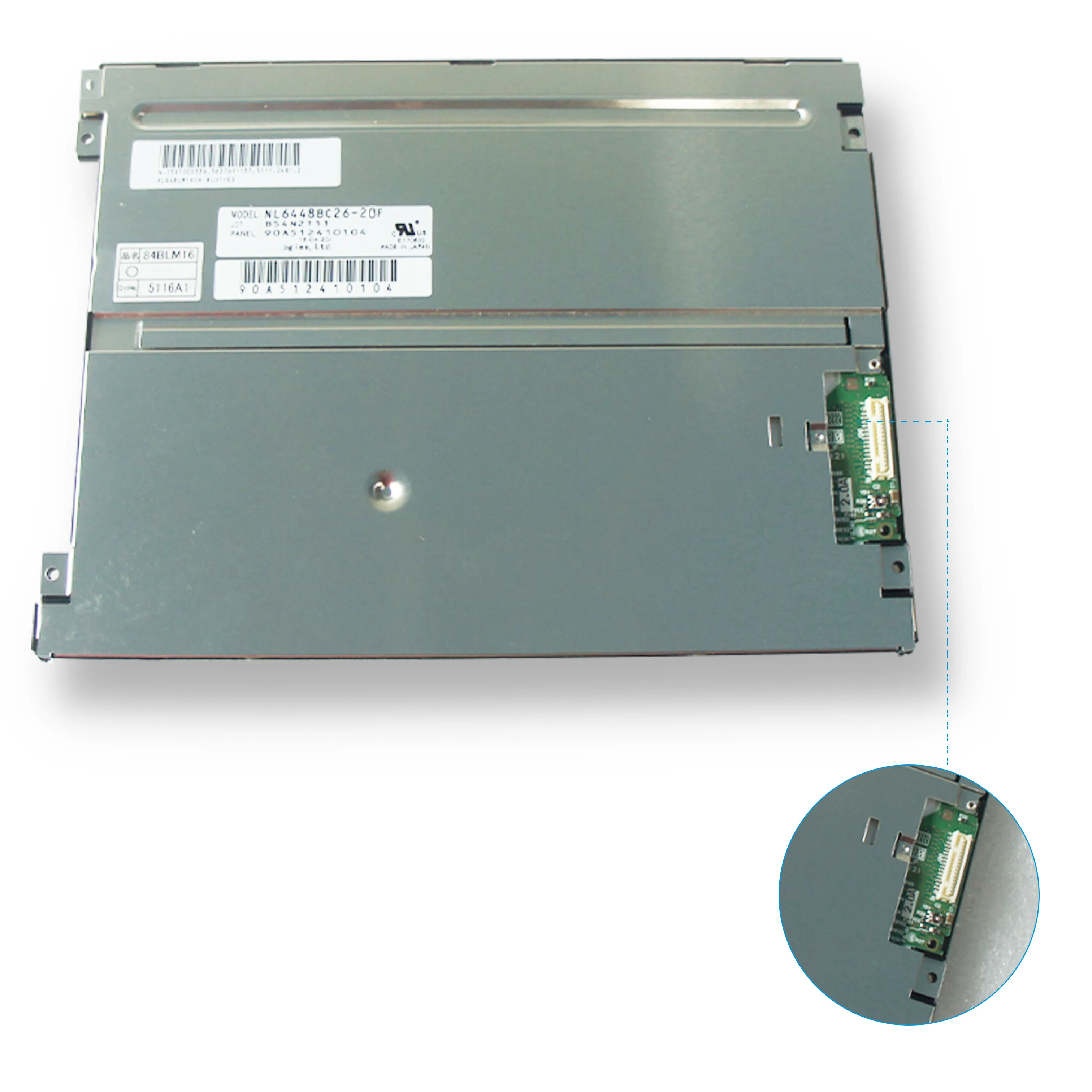

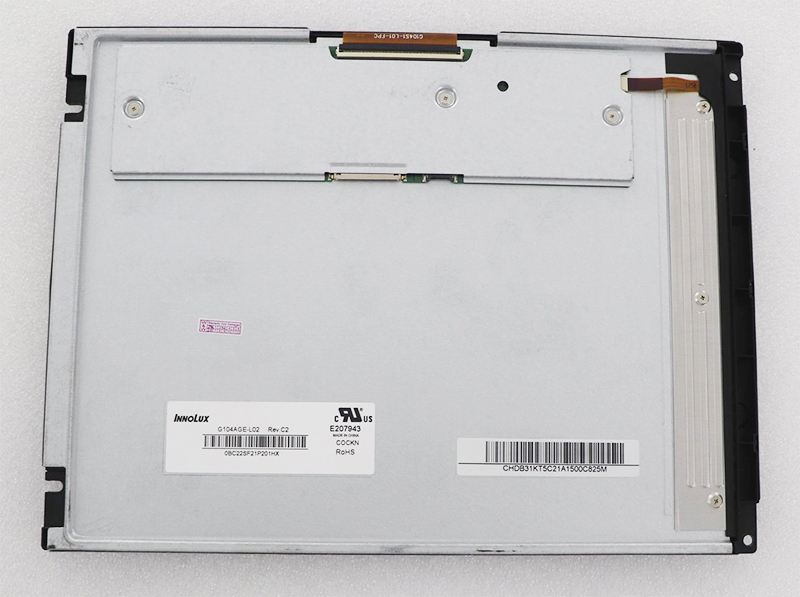
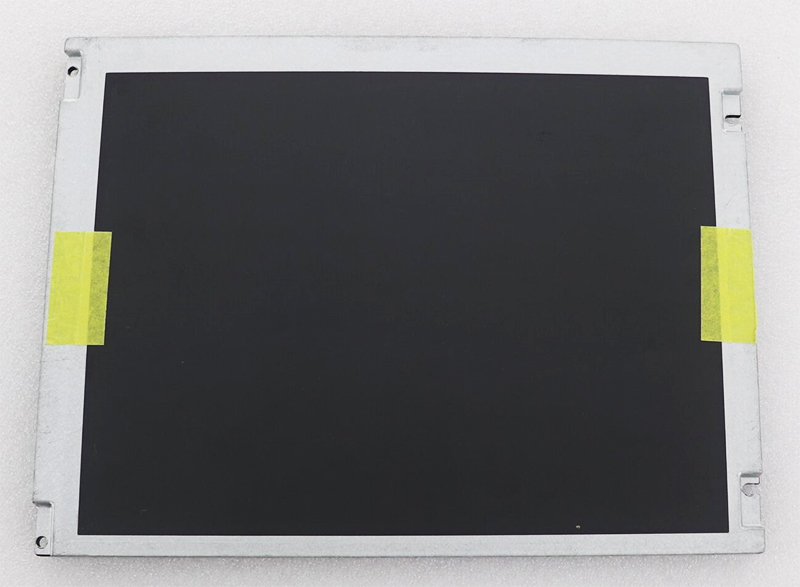
G104AGE-L02 Resolution 800*600 10.4 inch screen TFT-LCD New
In the intricate ecosystem of industrial and embedded display technology, the selection of a screen is a critical determinant of a product's functionality, reliability, and user experience. Amidst a sea of specifications, the G104AGE-L02 emerges as a distinct and purpose-built component, a 10.4-inch TFT-LCD module with a resolution of 800 x 600 pixels. This article delves into a comprehensive analysis of this specific display, moving beyond mere datasheet parameters to explore its technological significance, optimal application environments, and the nuanced advantages it offers over both smaller and larger display alternatives.
We will dissect the engineering rationale behind its SVGA resolution, examine the robustness required for industrial deployment, and contrast its performance with contemporary display interfaces. This deep dive aims to provide engineers, product designers, and procurement specialists with the insights necessary to evaluate whether the G104AGE-L02 is the optimal visual interface for their challenging applications, from factory automation and medical devices to transportation systems and point-of-sale terminals.
The Strategic Significance of 10.4-Inch SVGA in a High-Definition World
In an era dominated by 4K and retina displays, the 800x600 (SVGA) resolution of the G104AGE-L02 might seem anachronistic. However, this perception overlooks the calculated engineering logic behind this specification. For a 10.4-inch diagonal screen, SVGA delivers a pixel pitch that generates sharp, legible characters and clear graphics without imposing excessive processing burden on the system's central controller. This is crucial in embedded environments where computational resources are often allocated to core operational tasks rather than rendering complex visuals.
Furthermore, the 4:3 aspect ratio is a strategic advantage in legacy and industrial contexts. A vast repository of existing machine interfaces, diagnostic software, and control systems were designed for this squarer format. Adopting a widescreen display could force inefficient screen real estate usage with black bars or costly software redevelopment. The G104AGE-L02, therefore, acts as a bridge, offering a modern, reliable TFT-LCD panel that seamlessly integrates into established ecosystems, ensuring longevity and reducing total cost of ownership for upgrade projects.
Deconstructing the G104AGE-L02: Core Technologies and Construction
At its heart, the G104AGE-L02 is an a-Si (amorphous Silicon) TFT-LCD module. This mature and highly reliable technology provides stable performance and excellent longevity, which are non-negotiable in industrial settings. The panel typically incorporates a robust CCFL or LED backlighting system designed for high brightness, often exceeding 400 nits, to ensure viewability under harsh factory lighting or direct sunlight.
The construction is where its industrial pedigree becomes apparent. Unlike consumer-grade panels, this module is built to withstand environmental stressors. It often features a strengthened glass surface, wide operating temperature ranges (e.g., -30°C to 80°C), and resistance to vibration and shock. The integration of the driver board and connectors into a single, solid module reduces failure points. This "system-on-glass" approach, where the controller circuitry is often bonded directly to the glass substrate, enhances signal integrity and physical resilience, making it far more durable than a cobbled-together assembly of discrete components.
Optimal Application Landscapes: Where This Display Excels
The G104AGE-L02 is not a general-purpose display; it is a specialist tool engineered for demanding environments. Its primary domain is Industrial Human-Machine Interfaces (HMIs). On factory floors, it serves as the interactive window into programmable logic controllers (PLCs), controlling machinery, monitoring production lines, and displaying real-time diagnostics. Its readability and robustness are paramount here.
Beyond manufacturing, it finds critical roles in Medical Equipment (patient monitors, diagnostic devices where reliability is life-critical), Transportation (in-vehicle infotainment and control systems for buses, trains, or construction equipment), and Point-of-Service Terminals (self-service kiosks, ruggedized POS systems). In each case, the combination of a medium-sized screen, high brightness, wide viewing angles, and extreme environmental tolerance makes it a preferred choice over more fragile consumer alternatives. It is the display selected not for its pixel count, but for its unwavering performance where failure is not an option.
The Interface Decision: LVDS and System Integration Considerations
A key technical aspect of integrating the G104AGE-L02 is its interface, which is typically Low-Voltage Differential Signaling (LVDS). This is a critical differentiator from older TTL interfaces or consumer-centric HDMI ports. LVDS is a serial communication standard that transmits data aents. The choice of a single-channel or dual-channel LVDS configuration depends on the color depth and refresh rate needs. This interface ensures a clean, stable image transmission over longer cable lengths within a device, contributing significantly to the overall system's reliability. Understanding this interface is crucial for a successful and glitch-free implementation.s differential voltage signals, which provides high noise immunity—a must in electrically noisy industrial environments where motors, relays, and power supplies generate significant electromagnetic interference (EMI).
For system integrators, this means designing a mainboard with an LVDS transmitter chip that matches the panel's specific timing and signal requirem
Comparative Analysis: Positioning Against 8-inch and 12.1-inch Panels
Choosing the right display size is a balance of information density, physical space, and usability. The 10.4-inch G104AGE-L02 occupies a strategic middle ground. Compared to a common 8-inch display, it offers substantially more screen real estate without a dramatic increase in footprint. This allows for more complex control interfaces, larger data visualizations, or the display of multiple information elements simultaneously, reducing operator scrolling and menu navigation, which enhances efficiency and minimizes error.
Conversely, when compared to a 12.1-inch panel, the 10.4-inch module presents a more compact and often more cost-effective solution. It fits into control panels where space is constrained, such as in vehicle cabins or compact machinery. It also typically consumes less power, a vital factor in portable or battery-backed devices. The 10.4-inch size, therefore, represents a "sweet spot" for many applications where information clarity and interface complexity have outgrown smaller screens, but where the physical or economic constraints of a larger panel are prohibitive.
Supply Chain and Lifecycle Management for Industrial Components
Procuring a display like the G104AGE-L02 involves considerations far beyond initial price. For OEMs designing products with lifecycles spanning 5-10 years or more, long-term availability and supply chain stability are paramount. Manufacturers of industrial-grade panels often guarantee extended production windows and provide lifecycle notifications to prevent last-time-buy surprises.
This contrasts sharply with the volatile consumer display market, where models are frequently discontinued. Furthermore, reliable suppliers offer consistent quality control, technical documentation, and support. When sourcing the G104AGE-L02 or its equivalents, evaluating the vendor's commitment to the industrial market, their component traceability, and their ability to provide compatible replacement options for future product revisions is as important as evaluating the technical specifications. This strategic sourcing mitigates risk and ensures the manufacturability of the end product for years to come.
FAQs: G104AGE-L02 10.4-Inch Display
Conclusion
The G104AGE-L02 10.4-inch SVGA TFT-LCD module exemplifies the principle that in specialized engineering, the "best" technology is not the one with the highest specifications, but the one most perfectly aligned with the application's demands. Its value proposition lies in its deliberate combination of a legible 4:3 format, ruggedized construction, reliable LVDS interface, and industrial-grade longevity.
For designers and engineers building systems for harsh, mission-critical environments, this display represents a proven and dependable solution. It transcends being a mere commodity component to become a key enabler of durability and usability. In a world racing toward higher pixel densities, the G104AGE-L02 stands as a testament to the enduring importance of robustness, integration, and purpose-driven design in the backbone technologies that power our industrial infrastructure.