- Industrial LCD display
-
Industrial Products
- DC Servo Drive
- AC Servo Drive
- other
- Heidelberg
- FANUC
- IFM
- Meter
- CCD
- Membrane Keypad
- Film
- YOKOGAWA Module
- Card
- ABB
- MITSUBISHI
- FANUC
- KEYENCE
- BECKHOFF
- Honeywell
- HOLLYSYS
- FUJI servo drives
- HP
- solenoid valve
- thermostat
- Siemens adapter
- color oscilloscope
- Fujitsu connector
- CHELIC
- SMC
- CISCO Module
- INTEL
- Key board
- FAIRCHILD
- Motherboard
- Board
- Bearing
- other
- Control Panel
- Contactor
- Circuit
- OMRON
- Relay
- Controller
- Photoelectric Switch
- Photoelectric Sensor
- Original
- Fan
- Motor Driver
- Limit Switch
- Amplifier
- power supply
- LENZE
- Cable
- Encoder
- Sensor
- Transformer
- Fiber Optic Sensor
- Protection Relay
- Temperature Controller
- Proximity Switch
- Switch Sensor
- Siemens
- Industrial board
- HMI Touch Glass
-
HMI Full Machine Whole unit
- OMRON HMI Touch Panel
- Siemens HMI Touch Panel
- Mitsubishi HMI Touch Panel
- Allen-Bradley automation HMI Touch Panel
- DELTA HMI Touch Panel
- EVIEW DELTA HMI Touch Panel
- KINCO DELTA HMI Touch Panel
- HITECH HMI Touch Panel
- WEINTECK HMI Touch Panel
- TECVIEW HMI Touch Panel
- WEINVIEW HMI Touch Panel
- PRO-FACE HMI Touch Panel
- SIMATIC HMI Touch Panel
- AMPIRE HMI Touch Panel
- HEIDELBERG HMI Touch Panel
- PANASONIC HMI Touch Panel
- PATLITE HMI Touch Panel
- KYOCERA HMI Touch Panel
- KEYENCE HMI Touch Panel
- WEINVIEW HMI Touch Panel
- HITECH HMI Touch Panel
- FUJI HMI Touch Panel
- HAKKO HMI Touch Panel
- SCHNEIDER HMI Touch Panel
- SAMKOON touch panel
- other
- Module
- lcd inverter
- Membrane Keypad Switch
- Winni Touch Screens
- Frequency Inverter
- Servo Motor
- PLC


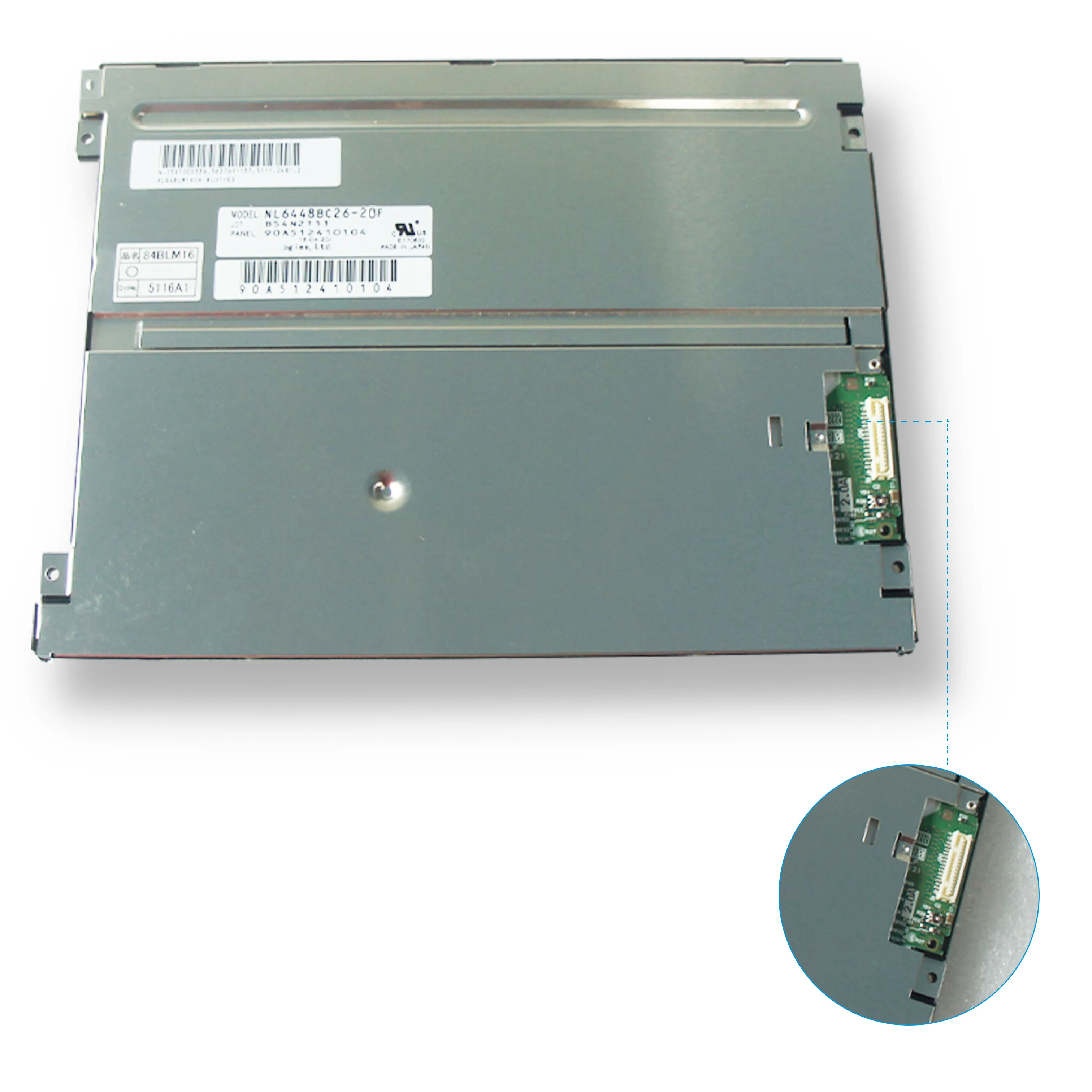

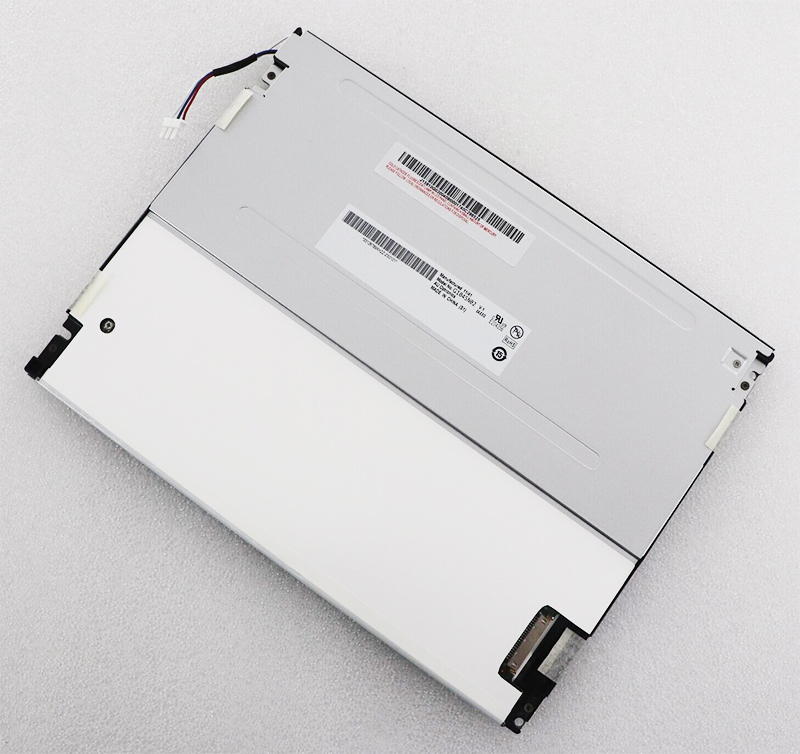
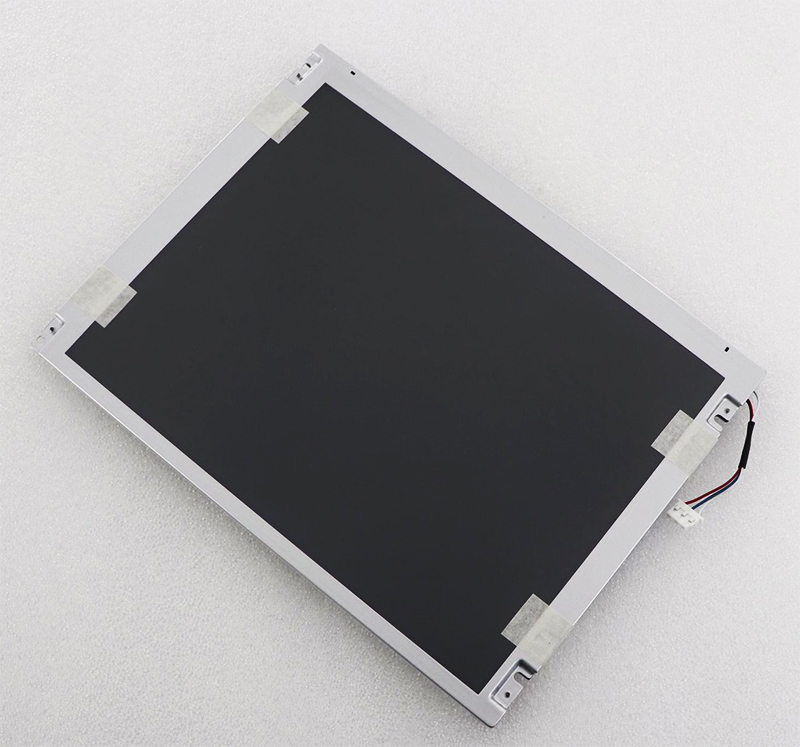
G104SN02 V1 AUO 10,4" 640*480 TFT-LCD screen
In the intricate world of electronic components, where specifications dictate functionality and performance defines application, the G104SN02 V1 display module emerges as a specialized and enduring solution. This article delves into a comprehensive analysis of this particular TFT-LCD screen, a 10.4-inch panel with a resolution of 640 x 480 pixels, developed by AU Optronics (AUO). Beyond a simple listing of its datasheet parameters, we will explore the technical rationale behind its design, the specific market niches it serves, and the reasons for its continued relevance in an era dominated by high-definition screens.
Our journey will unpack the engineering trade-offs inherent in its SVGA resolution, examine its typical interface and backlighting technology, and contextualize its use within industrial, medical, and point-of-sale systems. Understanding components like the G104SN02 V1 is crucial for engineers, procurement specialists, and product developers working on legacy upgrades or designing new systems where reliability, readability, and cost-effectiveness are paramount over sheer pixel density.
Decoding the Nomenclature: What G104SN02 V1 Reveals
The model name G104SN02 V1 is a concise data sheet in itself. Breaking it down, "G104" typically denotes a 10.4-inch diagonal screen size. The "S" often refers to the series or a specific technology set, while "N" may indicate a normally white display mode or a revision code. The "02" and "V1" are crucial identifiers for version and revision, essential for sourcing exact replacements. The manufacturer, AUO (AU Optronics), is a global leader in display technology, assuring a certain level of quality and manufacturing consistency.
This naming convention is vital for compatibility. In industrial and medical applications, a direct replacement must match not just physical dimensions and resolution, but also electrical characteristics, pinout, and optical performance. A mismatch in the version number (e.g., V1 vs. V2) could lead to interface incompatibility or subtle differences in color gamut or power consumption, potentially causing system failure. Therefore, understanding and accurately specifying the full model string is the first critical step in any integration or replacement project.
The Enduring Relevance of SVGA (640 x 480) Resolution
In a market saturated with Full HD and 4K displays, the 640 x 480 (SVGA) resolution of the G104SN02 V1 stands out as a deliberate and functional choice, not an obsolete one. This resolution offers a perfect 4:3 aspect ratio, which is exceptionally well-suited for displaying traditional data interfaces, machinery control panels, and legacy software applications without the need for complex scaling or distorted graphics.
The technical advantages are significant. Lower resolution requires a less powerful and cheaper display controller, reduces data transmission bandwidth, and often results in lower overall system power consumption. For applications where the primary display content is text, numerical data, schematic diagrams, or simple GUI elements, the clarity and sharpness at this resolution on a 10.4-inch screen are more than adequate. It eliminates the visual noise and unnecessary detail that higher resolutions might introduce in such contexts, ensuring information is presented clearly and without distraction to the operator.
Core Technical Specifications and Interface Analysis
At its heart, the G104SN02 V1 is an a-Si TFT-LCD (Amorphous Silicon Thin-Film Transistor Liquid Crystal Display). This mature and reliable technology provides stable performance across a wide temperature range, a key requirement for industrial environments. The module likely incorporates a CCFL (Cold Cathode Fluorescent Lamp) backlight, known for its even illumination and long operational life, though LED-backlit versions may also exist in later revisions.
The interface is typically a LVDS (Low-Voltage Differential Signaling) interface. LVDS is the industry standard for robust, noise-resistant data transmission from a controller board to the LCD panel, especially over the short distances inside a device enclosure. The pinout and signal timing defined for this specific module are critical for designing a compatible controller board. Other key specifications to consider include:
Brightness: Usually in the range of 300-400 nits, suitable for indoor use under controlled lighting.
Contrast Ratio: Provides depth between dark and light areas for legibility.
Viewing Angles: Specified for both horizontal and vertical axes, crucial for panels viewed from off-center positions.
Operating Temperature: A wide range (e.g., -20°C to 70°C) is common for industrial-grade panels.
Primary Application Domains and Use Cases
The G104SN02 V1 is not designed for consumer televisions or smartphones. Its true value is realized in embedded systems and B2B (Business-to-Business) equipment where durability and functional performance trump aesthetic specs. Its primary application domains are highly specialized.
In industrial automation, it serves as the human-machine interface (HMI) on factory floor machines, PLC control stations, and test equipment. Its rugged construction and stable performance under electrical noise are essential. In the medical field, it can be found in diagnostic devices, patient monitoring systems, and older ultrasound machines, where color accuracy and reliability are non-negotiable. Furthermore, point-of-sale (POS) systems, kiosks, and specialized instrumentation (like oscilloscopes or spectrum analyzers) often utilize such panels for their balance of size, cost, and sufficient display capability for their intended purpose.
Integration Considerations and Design Challenges
Integrating a display module like the G104SN02 V1 into a product is a multi-faceted engineering task. First, mechanical integration is paramount. Designers must account for the exact bezel dimensions, mounting hole positions, and the depth of the module including the backlight assembly. Thermal management for the CCFL inverter or LED drivers must also be considered within the end-product's enclosure.
On the electrical side, designing or sourcing a compatible LVDS controller board is central. This board must provide the correct power sequencing (the precise order in which panel power, logic power, and backlight power are applied and removed) to prevent damage. The LVDS signal must be correctly mapped to the panel's connector pinout. Additionally, managing electromagnetic interference (EMI) from the display drivers and backlight circuit is a critical challenge to ensure the final product passes regulatory compliance tests like FCC or CE.
Sourcing, Legacy Support, and Alternative Options
For a module like the G104SN02 V1, which may be in a mature or not-for-new-design (NFND) phase, sourcing becomes a strategic consideration. Companies maintaining long-lifecycle products must plan for future repairs and may need to engage with specialized distributors, consider panel re-manufacturing, or purchase a lifetime buy of critical components.
When a direct replacement is unavailable, engineers must evaluate alternatives. This involves finding a "drop-in" replacement with identical mechanical, electrical, and optical properties, or undertaking a more significant redesign to accommodate a modern panel (e.g., an LED-backlit LCD with a similar active area). The latter option, while future-proofing the supply chain, requires requalification of the entire display subsystem and potentially the end product, representing a significant cost and time investment that must be weighed against the benefits.
FAQs: G104SN02 V1 Display Module
Conclusion
The AUO G104SN02 V1 10.4-inch TFT-LCD is a testament to the principle that in engineering, the "best" component is the one that optimally fulfills the specific requirements of the application. Its SVGA resolution, robust LVDS interface, and industrial-grade construction are not shortcomings but precisely tailored features for the demanding environments of industrial control, medical instrumentation, and specialized commercial equipment.
This analysis underscores that successful product design and maintenance, especially for long-lifecycle systems, depend on a deep understanding of such components. It requires looking beyond the superficial allure of higher resolutions to appreciate factors like supply chain longevity, integration complexity, and total cost of ownership. The G104SN02 V1, therefore, represents more than just a display; it embodies a design philosophy centered on reliability, functionality, and purposeful engineering.