- Industrial LCD display
-
Industrial Products
- DC Servo Drive
- AC Servo Drive
- other
- Heidelberg
- FANUC
- IFM
- Meter
- CCD
- Membrane Keypad
- Film
- YOKOGAWA Module
- Card
- ABB
- MITSUBISHI
- FANUC
- KEYENCE
- BECKHOFF
- Honeywell
- HOLLYSYS
- FUJI servo drives
- HP
- solenoid valve
- thermostat
- Siemens adapter
- color oscilloscope
- Fujitsu connector
- CHELIC
- SMC
- CISCO Module
- INTEL
- Key board
- FAIRCHILD
- Motherboard
- Board
- Bearing
- other
- Control Panel
- Contactor
- Circuit
- OMRON
- Relay
- Controller
- Photoelectric Switch
- Photoelectric Sensor
- Original
- Fan
- Motor Driver
- Limit Switch
- Amplifier
- power supply
- LENZE
- Cable
- Encoder
- Sensor
- Transformer
- Fiber Optic Sensor
- Protection Relay
- Temperature Controller
- Proximity Switch
- Switch Sensor
- Siemens
- Industrial board
- HMI Touch Glass
-
HMI Full Machine Whole unit
- OMRON HMI Touch Panel
- Siemens HMI Touch Panel
- Mitsubishi HMI Touch Panel
- Allen-Bradley automation HMI Touch Panel
- DELTA HMI Touch Panel
- EVIEW DELTA HMI Touch Panel
- KINCO DELTA HMI Touch Panel
- HITECH HMI Touch Panel
- WEINTECK HMI Touch Panel
- TECVIEW HMI Touch Panel
- WEINVIEW HMI Touch Panel
- PRO-FACE HMI Touch Panel
- SIMATIC HMI Touch Panel
- AMPIRE HMI Touch Panel
- HEIDELBERG HMI Touch Panel
- PANASONIC HMI Touch Panel
- PATLITE HMI Touch Panel
- KYOCERA HMI Touch Panel
- KEYENCE HMI Touch Panel
- WEINVIEW HMI Touch Panel
- HITECH HMI Touch Panel
- FUJI HMI Touch Panel
- HAKKO HMI Touch Panel
- SCHNEIDER HMI Touch Panel
- SAMKOON touch panel
- other
- Module
- lcd inverter
- Membrane Keypad Switch
- Winni Touch Screens
- Frequency Inverter
- Servo Motor
- PLC


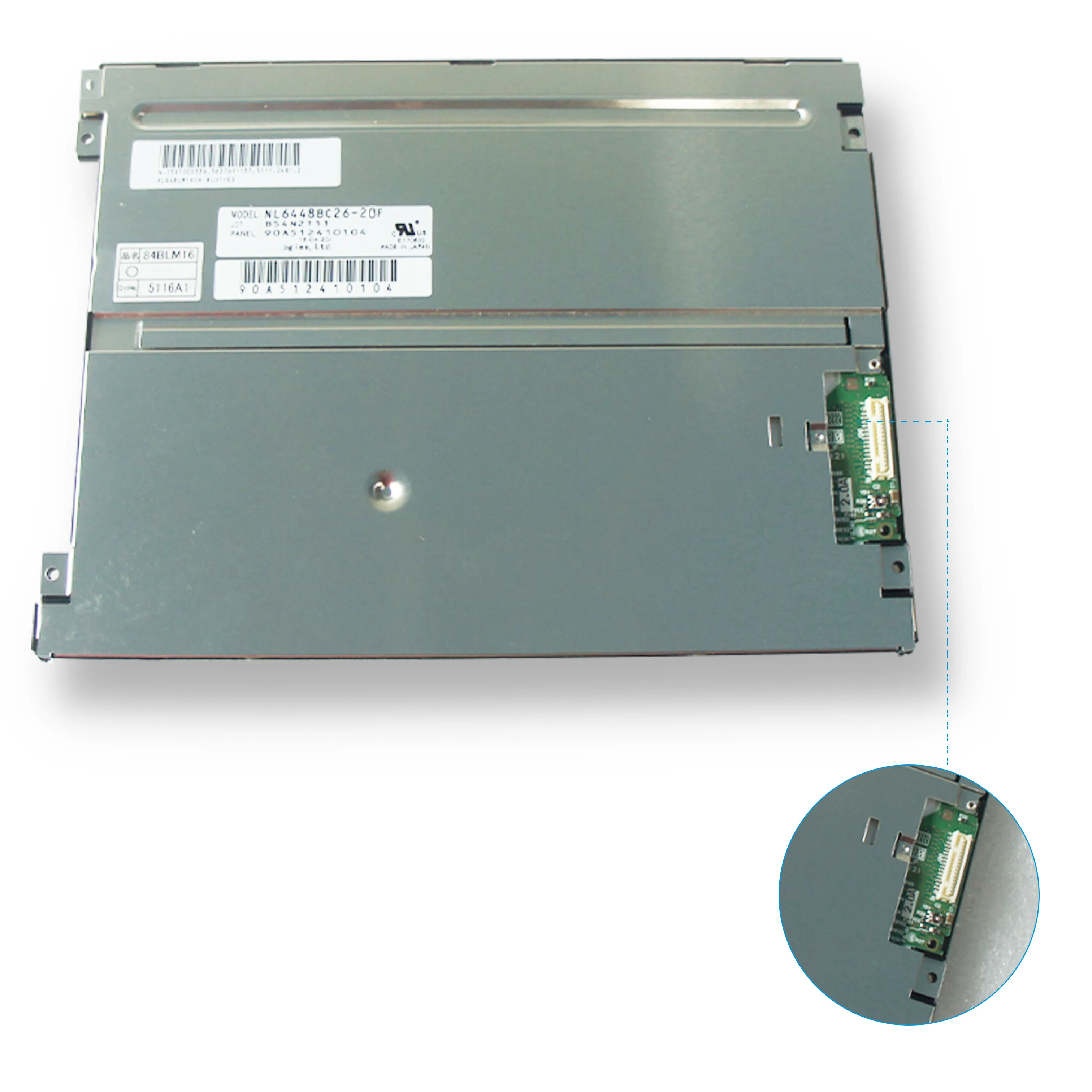

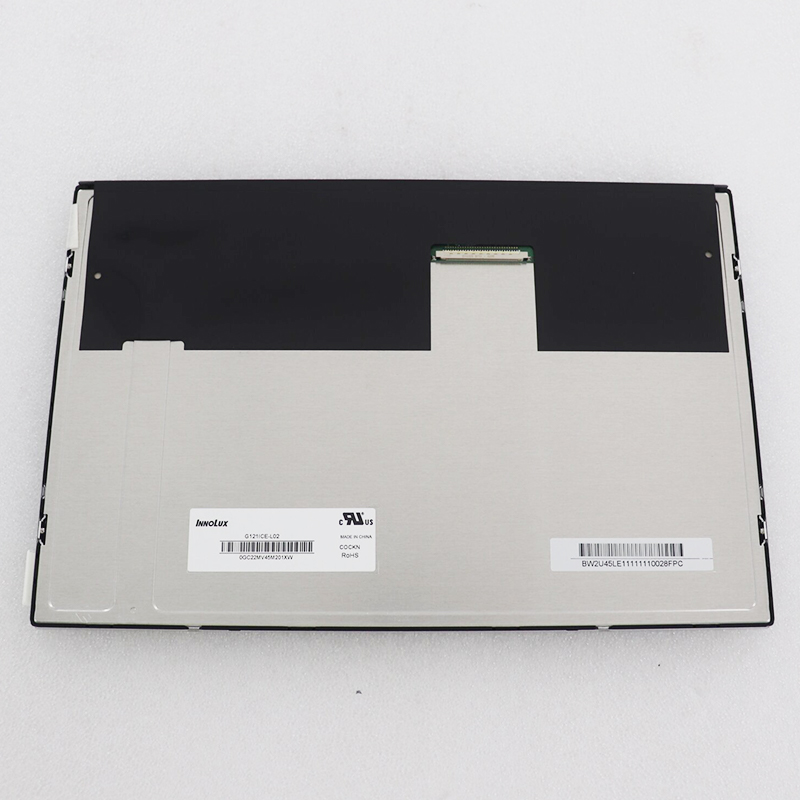
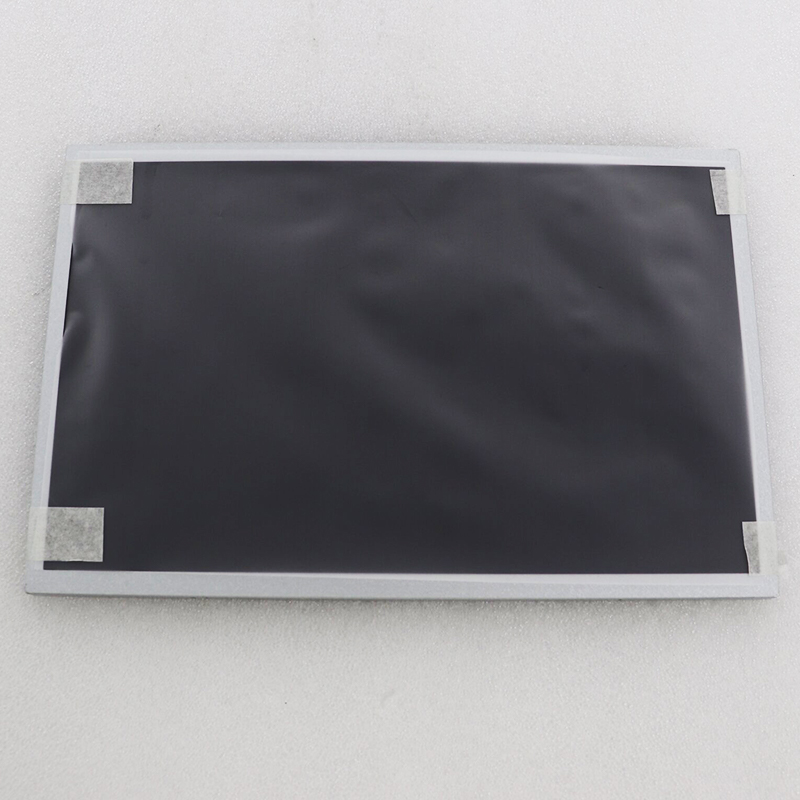
G121ICE-L02 new For 12.1 inch 1280*800 LCD Screen Display
In the intricate world of electronic components and display technology, the model number G121ICE-L02 represents more than just a part. It signifies a specific gateway to visual clarity for a wide array of devices. This article delves deep into the 12.1-inch 1280x800 LCD screen display module, exploring its technical DNA, practical applications, and the critical considerations for integration. For engineers, product developers, and procurement specialists, understanding the nuances of such a display is not merely academic—it's a fundamental step in creating competitive and functional end products.
Beyond the basic specifications lies a story of balance: a resolution that marries detail with system efficiency, a form factor that enables portability without sacrificing viewable area, and an interface that ensures reliable communication with the host system. We will unpack the G121ICE-L02's role in the ecosystem, moving from its core architecture to its real-world implementation, providing a comprehensive resource for anyone looking to leverage this display technology effectively.
Decoding the Specification Sheet: Core Architecture
The G121ICE-L02 is built around a 12.1-inch diagonal active area, utilizing IPS (In-Plane Switching) or similar advanced LCD technology. This foundational choice is crucial, as it provides the wide viewing angles, consistent color reproduction, and superior image stability that modern applications demand. The native resolution of 1280 x 800 pixels, often termed WXGA, defines its clarity. This 16:10 aspect ratio offers a slight vertical advantage over the common 16:9 format, providing more screen real estate for productivity tasks, diagnostic interfaces, or instrument panels.
At the heart of the module lies the LVDS (Low-Voltage Differential Signaling) interface. This is the critical communication channel. LVDS is favored for its robustness against noise, its ability to transmit high-speed data over longer distances within a device, and its lower power consumption compared to older standards. The specification sheet will detail the exact pinout, voltage levels (typically 3.3V or 5V for power and backlight), and signal timing, which are non-negotiable blueprints for the hardware engineer.
The Strategic Advantage of WXGA Resolution
The choice of 1280x800 (WXGA) is a strategic compromise that carries significant weight. In the landscape between HD-ready 720p and Full HD 1080p, WXGA finds a sweet spot. It delivers substantially more detail and workspace than older 1024x768 (XGA) panels, allowing for more complex data visualization, clearer text, and a less cramped user interface. Conversely, it demands less from the system's graphics processing unit (GPU) and memory bandwidth than a 1920x1080 panel would.
This balance translates directly to benefits in power efficiency, system cost, and thermal design. For embedded systems, industrial PCs, portable medical devices, or battery-operated test equipment, this efficiency is paramount. The resolution provides ample fidelity for most professional and specialized applications without forcing an over-specification of supporting silicon, ultimately leading to a more optimized and cost-effective final product.
Backlight Systems and Optical Performance
Visual performance is not defined by pixels alone. The backlight unit (BLU) of the G121ICE-L02 is a key subsystem. Most modern modules employ LED (Light-Emitting Diode) edge-lighting, which offers longevity, uniform brightness, and better power efficiency compared to older CCFL technology. Key optical parameters include luminance (measured in nits/cd/m²), contrast ratio, and color gamut coverage (often sRGB).
For integration, the backlight's driver circuit is a focal point. Designers must ensure the power supply provides stable current within the specified range to avoid flicker or premature LED degradation. Furthermore, considerations for dimming—whether through PWM (Pulse-Width Modulation) or analog control—must align with the host system's capabilities and the desired user experience, especially in environments where adjustable screen brightness is essential.
Mechanical Integration and Environmental Robustness
The physical integration of the G121ICE-L02 module is a critical phase. The datasheet provides exact outline dimensions, bezel size, and mounting hole patterns. Precision here is vital to ensure a perfect fit within the device's enclosure. The module is typically a bare panel, requiring a secure mechanical frame and careful handling to avoid pressure on the glass or damage to the delicate LVDS connector ribbon.
Environmental specifications define the module's operational boundaries. These include storage and operating temperature ranges, humidity tolerance, and sometimes resistance to vibration or shock. For deployments in industrial control rooms, vehicle-mounted systems, or outdoor kiosks, verifying that the G121ICE-L02's ratings match or exceed the expected environmental stress is a non-negotiable step in guaranteeing reliability and longevity in the field.
Typical Application Scenarios and Industry Use
The profile of the G121ICE-L02 makes it a versatile solution across multiple sectors. In industrial automation, it serves as the primary HMI (Human-Machine Interface) for PLCs, controlling machinery and monitoring production lines. Its clear display and reliable LVDS interface are ideal for this demanding setting. The medical device field utilizes such displays in portable diagnostic equipment, patient monitoring stations, and surgical tools, where readability and accuracy are critical.
Furthermore, it finds a home in transportation (in-vehicle infotainment or control systems), point-of-sale (POS) terminals, and specialized test and measurement instruments. In each case, the combination of a manageable 12.1-inch size, sharp WXGA resolution, and a stable interface provides the right balance of user experience and engineering practicality, enabling clear data presentation and interaction.
Sourcing, Compatibility, and Development Considerations
Procuring the G121ICE-L02 requires attention to the supply chain. It is often available through specialized distributors of LCD panels and display modules. A key consideration is compatibility with controller boards. While the LVDS interface is a standard, the pin configuration, voltage, and timing must match. Developers often use a dedicated LCD controller board or ensure the host system's native LVDS output is configured correctly.
The development process should include thorough testing under real-world conditions: checking for electromagnetic interference (EMI), validating image quality at temperature extremes, and ensuring the backlight performs consistently over time. Planning for a potential second source or alternative model with identical mechanical and electrical characteristics is also a prudent risk mitigation strategy in product design.
FAQs: G121ICE-L02 12.1-inch Display
10. Where can I find the detailed datasheet for this module?Datasheets are available from authorized distributors or by contacting display module manufacturers/suppliers directly.
Conclusion
The G121ICE-L02 12.1-inch WXGA display module exemplifies how a well-conceived component can become a linchpin in diverse technological products. Its value proposition lies not in being the highest-resolution or largest screen available, but in its optimal balance of size, clarity, power efficiency, and interface reliability. This balance makes it a persistent and sensible choice for engineers designing systems where performance, cost, and durability must be carefully weighed.
Successful implementation hinges on a deep understanding of its specifications—from the LVDS signal integrity to the mechanical mounting points and environmental limits. By treating the display not as a commodity but as a core subsystem, developers can unlock its full potential, creating end-user devices that are robust, intuitive, and visually effective. In the realm of specialized displays, the G121ICE-L02 stands as a testament to the principle that the right fit is often more valuable than the highest spec.